Peace for the World World ! Your War Our Lives

The Dalai Lama
A Brief Colonial History Of Ceylon(SriLanka)
Sri Lanka: One Island Two Nations
A Brief Colonial History Of Ceylon(SriLanka)
Sri Lanka: One Island Two Nations
(Full Story)
Back to 500BC.

Monday, February 17, 2014
Rwandan priest in UK faces probe over allegations of role in 1994 genocide
 Rt Rev Jonathan Ruhumuliza was a bishop in Rwanda, where he is accused of being a 'propagandist' for Hutu extremists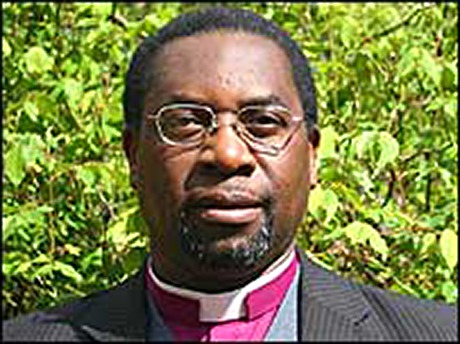
Rt Rev Jonathan Ruhumuliza, priest at St Mary and All Saints church, Hampton Lovett, in Worcestershire.
The Church of England is investigating a Rwandan bishop who is now
serving as a parish priest in Worcestershire over "disturbing"
allegations that he was a propagandist for leaders of his country's 1994
genocide and complicit in sending Tutsis to their deaths.
The church said it had been unaware of the most serious accusations when
it appointed the Right Rev Jonathan Ruhumuliza in 2005, even though
they had been widely aired during and after the genocide, in which
800,000 Tutsis were murdered, and which led to a schism within the
Anglican church in Rwanda.
The church said it was "disturbed" by allegations – made in human rightsreports and brought to its attention by an Observer investigation
– that Ruhumuliza collaborated in endangering Tutsis with another
Anglican bishop, who was arrested by a UN tribunal on genocide charges.
Ruhumuliza, who serves St Mary and All Saints church in Hampton Lovett,
Worcestershire, is also the target of an investigation by Rwandan
authorities. Peter Selby, former bishop of Worcester, who appointed
Ruhumuliza, called on the church to ask police to investigate the
"deeply shocking" allegations.
The Observer has
learned that Ruhumuliza was denied a work permit for two years by the
Home Office, in part because of statements by him effectively denying
the genocide, and amid concerns over his actions in Rwanda when he was
accused by his own archbishop of being an "errand boy" for the Hutu
extremist government. The Home Office reversed the decision after the
Church of England hired a lawyer for Ruhumuliza.
In the 1990s, Human Rights Watch described him as "acting as a spokesman
for the genocidal government" for his efforts to deceive foreign
churches and powers into believing that the politicians and soldiers
leading the killings were in fact trying to stop them.
The London-based group African Rights named Ruhumuliza in a 1998 appeal
to the World Council of Churches to examine the complicity of Anglican
clergy in the genocide. It accused him not only of being a
"propagandist" for the Hutu extremist government, but of working with
another bishop in refusing shelter to Tutsis facing imminent death and
of exposing others to attack.
Selby said: "The accusations were never drawn to my attention. If I had
ever been aware of the contents of the document, I don't think it would
have entered my mind that we could give him a place unless he gave me
answers to the questions that that document raises which I found
satisfactory.
"If there is a level of complicity in the genocide of the kind that the
human rights document states then I find it completely astonishing and
unacceptable that that's not dealt with by due legal process. Which
would result, I think, first of all in his not being allowed to stay
here but which might result in the matter being referred to criminal
authorities."
Selby said that after Ruhumuliza's appointment to his diocese he became
aware of allegations that the bishop acted as a propagandist for the
genocide regime but had received what he regarded as satisfactory
explanations from him. However, he said that now he has seen
contemporary news and human rights reports, Ruhumuliza's "account
doesn't square" with them.
Selby said checks on the clergyman's background were the responsibility
of the Church of England headquarters at Lambeth Palace and he believed
there had been "a very bad, probably a serious failure, of all sorts of
systems and persons".
The church said Ruhumuliza's appointment was made following checks in
which "no evidence was found of complicity in the Rwandan genocide". It
said it is now investigating the allegations in the African Rights
document.
But Ibuka, the genocide survivors' association in Rwanda, which has been
campaigning for clergy implicated in genocide and now living in Europe
to be brought to trial, criticised the Church of England. Ibuka's
president, Jean Pierre Dusingizemungu, said it had failed to examine
Ruhumuliza's past when there were reasons for it to ask questions.
He said: "We do not see why churches refuse to face history and reality.
Instead of hiring and promoting these people, they should check on
their role during the genocide. These people are known. We do not see
how they can hold positions when there are files on them."
Ruhumuliza, who also works as ministry, education and training officer for black and Asian Anglicans at the Queen's Foundation for Ecumenical Theological Education in Birmingham, initially agreed to be interviewed about his actions in 1994 but later declined.
Chris McGreal's Guardian Short ebook on the legacy of the Rwandan genocide will be published in March. Sign up to the mailing list for news
