Peace for the World World ! Your War Our Lives

The Dalai Lama
A Brief Colonial History Of Ceylon(SriLanka)
Sri Lanka: One Island Two Nations
A Brief Colonial History Of Ceylon(SriLanka)
Sri Lanka: One Island Two Nations
(Full Story)
Back to 500BC.

Sunday, May 4, 2014
Making Sense Of Bodu Bala Sena – Part 2
By Izeth Hussain -May 3, 2014
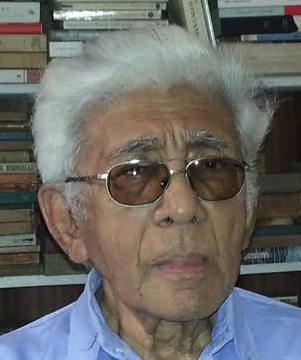
Izeth Hussain
 In my article of April 26 I wrote that that article was meant to be no more than notes towards making sense of the Bodu Bala Sena,
a large and complex subject requiring in-depth treatment. In the
present article I am continuing those notes because the BBS problem
seems to have moved to the forefront of our political consciousness,
replacing the position earlier held by what many Sri Lankans believed to
be UNHRC diabolism.
I believe that the reason why the BBS is moving to the forefront is
that many Sri Lankans could be becoming aware of the possible sinister
significance of the BBS’ external dimension.
In my article of April 26 I wrote that that article was meant to be no more than notes towards making sense of the Bodu Bala Sena,
a large and complex subject requiring in-depth treatment. In the
present article I am continuing those notes because the BBS problem
seems to have moved to the forefront of our political consciousness,
replacing the position earlier held by what many Sri Lankans believed to
be UNHRC diabolism.
I believe that the reason why the BBS is moving to the forefront is
that many Sri Lankans could be becoming aware of the possible sinister
significance of the BBS’ external dimension.The main reason why I have decided to continue these notes is the feedback I have had from a Sinhalese lady who spent decades in journalism, and though in retirement continues to have an informed interest in Sri Lankan politics. From what she wrote I gathered that she had been aware of the BBS’ Norwegian connection – to which I referred in my last article – but that had apparently been relegated to the background of her consciousness because she had come to assume that the main force behind the BBS was the Tamil diaspora. In other words, the main force behind the BBS consisted of those who are not reconciled to the unity of Sri Lanka. I am sure that that notion must be at least fairly widespread among the Sinhalese, but they dare not speak out. The BBS has blatant State backing and, far more important than that fact, it is above the rule of law. That certainly means that there are mighty forces behind the BBS, which makes it understandable that the mass of the Sinhalese dare not speak out even in favour of the unity of Sri Lanka if it means pointing the finger at the BBS. Sri Lankan politics of today are largely the politics of blue funk. Read More
