Peace for the World World ! Your War Our Lives

The Dalai Lama
A Brief Colonial History Of Ceylon(SriLanka)
Sri Lanka: One Island Two Nations
A Brief Colonial History Of Ceylon(SriLanka)
Sri Lanka: One Island Two Nations
(Full Story)
Back to 500BC.

Sunday, May 4, 2014
The Myth At The Bottom Of Our Problem

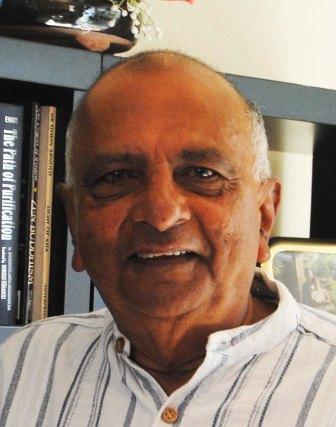
Shyamon Jayasinghe
Ever
since its political independence Sri Lanka has never been able to solve
its central national crisis in relationship between the majority
Sinhalese and minority Tamil speaking communities. The souring
relationships began with a veneer of cordiality between leaders like DS
Senanayake, Ponnambalam Ramanathan and GG Ponnambalam. The veneer was
removed at the stage when SJV Chelvanayakam, in reaction to visible
signs of obduracy on the part of Sinhala leaders, demanded Federal
Government. It became an obvious chain reaction on both sides of the now
growing divide in the national fabric of our society. Mutual suspicions
between the communities sprouted and a struggle ensued with demands and
counter demands. SWRD Bandaranaike brought the process to a head with
communal riots unfolding and stances on both sides hardening. The
culmination was represented by the rise of the LTTE and
the consequent civil war that put the clock of progress back and
diverted invaluable national resources away from infrastructure
development, agriculture, health and education towards the killing
fields of destruction.
The war now technically over, has not put the problem to rest. The old
process of demands and rebuffs have strangely resurrected itself in a
different milieu and context with mounting internationalization of the
national conflict. The LTTE Diaspora is out there very active and India
is increasingly restive under Tamilnadu pressure. These are all new
developments not present during the early phase of conflict referred to
above.
There are fresh demands for ‘self-determination,’
or autonomy under the current new order of Tamil leadership. It is
doubtful that such political proposals would be successful considering
the experiences of the recent past. To the Sinhala people Prabhakran had
been a bitter experience when innumerable attempts at peaceful
mediation had come a cropper with Prabhakaran giving his word and later
breaking it all utilizing the pauses just in order to regroup his
forces. To many Sinhala leaders the suspicion is real that a proposal
for some kind of autonomy would likewise be utilized by the Tamil
leadership to launch a separate state. Both the demand for
self-determination, whatever that may mean, and its rejection are thus
equally racist phenomena and the issue will not be settled because of
that. These futile exercises will only help to harden identities and
to entrench the very myth that lies at the bottom of the problem.
Read More
