Peace for the World World ! Your War Our Lives

The Dalai Lama
A Brief Colonial History Of Ceylon(SriLanka)
Sri Lanka: One Island Two Nations
A Brief Colonial History Of Ceylon(SriLanka)
Sri Lanka: One Island Two Nations
(Full Story)
Back to 500BC.

Wednesday, June 11, 2014
Angels And Demons Of Democracy – In Lanka
By Suren Rāghavan -June 11, 2014
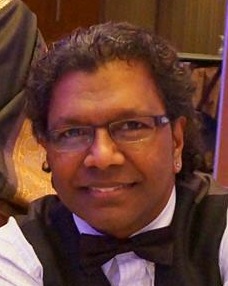
Dr. Suren Rāghavan
 In
any society that is drawn into a protracted civil war, there are three
curtail conditions for the future. 1 ) How to end the war with minimum
damages 2) How to make sure such war is not repeated and 3) Fast socio-
economic recoveries to fill the years of lost opportunities.
In
any society that is drawn into a protracted civil war, there are three
curtail conditions for the future. 1 ) How to end the war with minimum
damages 2) How to make sure such war is not repeated and 3) Fast socio-
economic recoveries to fill the years of lost opportunities.
In Sri Lanka, where South Asia’s longest civil war of modern history
took place, one is still debating on all three frontiers, perhaps with
even deeper disagreements. The regime loyalists and ultra nationalist
southerners believe President Mahendra Rajapaksa solved
the conflict – the best possible way by destroying world’s most text
book terrorist group with the same techniques they thrived on. Tamil nationalists (separatists or otherwise) firmly argue that Mullaivaikaal produced a ‘Rajapaksa Doctrine’ on civil war which is a genocide of
minority rights groups. They continue to ask justice from the
International Community. The military nature of the conflict has
ceased. While peace and social justice are far from realities, one can
agree that there are no urban suicide missions blowing off caught up
school children. Similarly there are no indiscriminative carpet bombing
on targets killing all civilians in between. In the balance of games,
southerners may be bit luckier than the Tamils of the North who still
painfully live in the most militarized land mass in South Asia[1] That is the reality of war. The victor has more benefits. It is up to the morale conduct of the victor to be magnanimous.
The way the conflict ended is irreversible. Future historians will write
the judgment. It is on the other two remaining factors that Sri Lanka,
as a collective society could still make a difference however
challenging or demanding a transformative moral imagination from all
actors.
Risk of Recurrent (armed) Conflict
The GoSL has sold the war theme at every election during the last 25
years. And the southerners have more or less bought such thesis and
mandated the parties those promised to bring peace by ‘defeating’ the
Tamil demand more at the military front and less at the negotiating
table. It is a fact that even PresidentKumaratunga and Prime Minister Wickremesinghe who
campaigned on ‘peace’ platforms were equally ready with military
options. They maintained that such strategy is fundamental for the
balance of power formula. President Rajapaksa had no such doubts. Well
supported by his ethno centric political partners, he campaigned on a
military solution and delivered a bold – bloody end. Since then he also
has successfully used war victory rhetoric to consolidate and
recentralize power at all structural and intuitional level. Perhaps this
president above everyone knows that peace as much as war is a political
decision. William Zartman (2001)[2] assumed
that ‘mutually hurting stalemate’ is the ripen conditions to end
protracted wars, enabling a genuine desire to address the fundament
reasons for the war and its collateral damages.
