Peace for the World World ! Your War Our Lives

The Dalai Lama
A Brief Colonial History Of Ceylon(SriLanka)
Sri Lanka: One Island Two Nations
A Brief Colonial History Of Ceylon(SriLanka)
Sri Lanka: One Island Two Nations
(Full Story)
Back to 500BC.

Wednesday, June 11, 2014
International Inquiry: Putting The Cartwright Before The Horse
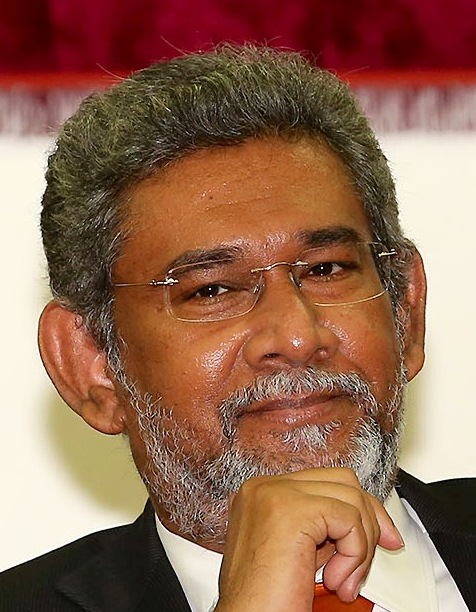
Dr. Dayan Jayatilleka
 In her farewell address to the UNHRC, Madam Navi Pillay drew
attention to the need for healing the wounds of Sri Lanka’s civil war,
which she rightly noted, had yet to be done. To this intent and purpose
she commended cooperation by the Government of Sri Lanka with the
comprehensive international inquiry that her office has undertaken. What
is bitterly ironic is that the healing of wounds cannot take place by
means of a lacerating external inquiry or even an overly extensive and
premature internal one. The international inquiry will do just the
opposite of assisting any process of healing. It will generate
resentment and hatred among the overwhelming majority of the people of
Sri Lanka.
In her farewell address to the UNHRC, Madam Navi Pillay drew
attention to the need for healing the wounds of Sri Lanka’s civil war,
which she rightly noted, had yet to be done. To this intent and purpose
she commended cooperation by the Government of Sri Lanka with the
comprehensive international inquiry that her office has undertaken. What
is bitterly ironic is that the healing of wounds cannot take place by
means of a lacerating external inquiry or even an overly extensive and
premature internal one. The international inquiry will do just the
opposite of assisting any process of healing. It will generate
resentment and hatred among the overwhelming majority of the people of
Sri Lanka.
The appointment of Dame Sylvia Cartwright, former attorney general of
New Zealand as head of the international inquiry into Sri Lanka, is
hardly likely to have a positive resonance on the island. Her most
positive and notable achievement is the best evidence of what is wrong
with the international inquiry into Sri Lanka. She was a member of the
UN hearing into war crimes in Kampuchea. That inquiry stands in
complete contrast to the proposed inquiry into Sri Lanka.
The Kampuchea inquiry was into war crimes committed by the militarily defeated Khmer Rouge. It was instituted decades after the
episodes being inquired into (during which I was an undergraduate who
published a series in the Lanka Guardian analyzing and denouncing Pol
Pot). It was a joint tribunal, established with the blessings of the Kampuchean government.
Obviously if the international inquiry into Sri Lanka were about the war
crimes of the defeated Tamil Tigers, the Sri Lankan government would
have welcomed and facilitated it. If the Sri Lanka inquiry such as it is
presently crafted, were to take place a few decades down the road,
perhaps a different Sri Lankan administration in a different Sri Lanka
would cooperate with it having significantly modified its terms of
reference. Decades down the road, there could even be a joint commission
of inquiry.
Those are not the contours of the international inquiry into Sri Lanka
which Dame Cartwright will head. Thus the dynamics and outcome will be
different, as will the response of Sri Lankan public opinion and any
elected administration (or political party which is strategically
serious about being elected to office).
While the Sri Lankan government cannot be
faulted for refusal to cooperate with the international inquiry, it can
and must be condemned on several other counts.
Read More
