Peace for the World World ! Your War Our Lives

The Dalai Lama
A Brief Colonial History Of Ceylon(SriLanka)
Sri Lanka: One Island Two Nations
A Brief Colonial History Of Ceylon(SriLanka)
Sri Lanka: One Island Two Nations
(Full Story)
Back to 500BC.

Wednesday, June 4, 2014
The Norochcholi Model Of Nation Building
By Somapala Gunadheera -June 4, 2014
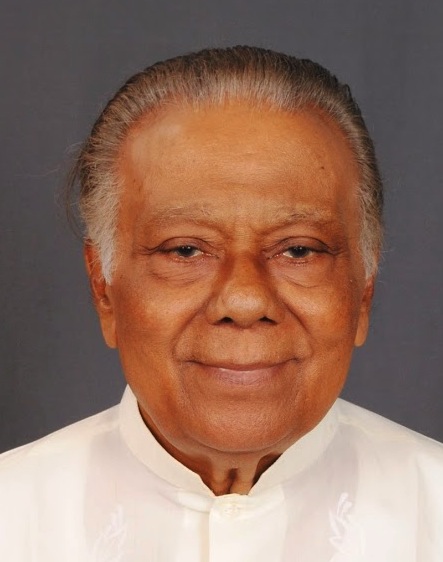
Somapala Gunadheera
When I heard that a group of UNP MPs were to visit the controversialNorochcholi Power Plant,
I guessed they were deliberately heading for a repetition of the
showdown at Hambantota. However the news of what really happened at the
visit, gladdened my heart to find my imagination belied.
According to the media, the UNP delegation had been given a warm welcome
with political leaders on the Government side receiving them with hugs
and garlands. This response stands in direct contrast to the reception
the delegation received at the much pampered emotional base of those in
power, where the delegation was showered with stones and rotten eggs, by
stooges and goons, not to mention gun toting by toy chiefs.
What is the reason for this diversity under the same dispensation?
Apparently the Hambantota response was engineered by inexperienced power
drunk amateurs. The Head of State may not have even been aware of the
plans to embarrass the visitors in his home town. This brings into focus
a part of the Government’s Achilles heel. That is the reluctance to
stand up to foolhardy moves made by those who are emotionally or
politically close to the base. The anxiety to pander to the wishes of
short-sighted favourites leads to disaster. Traditional wisdom condemns
this predilection with the words, “bahubuddhi maranam bhavet”, (It is
fatal to go by the dictates of all and sundry). This homily has been
successfully observed at Norochcholi. That is the first lesson from
Norochchole Model.
By and large xenophobia has been the
root cause of ineffective governance, particularly in the area of
national integration, creating problems with the international
community, especially our closest neighbour. So far it has been possible
to play truant with our critics as the neighbour was weak and the rest
of the world was not organized. Now that Geneva has got its act together
and India is under a strong leader, it will not be possible to dilly
dally on urgent reforms with ineffective commissions and never ending
committees. Read More
