Peace for the World World ! Your War Our Lives

The Dalai Lama
A Brief Colonial History Of Ceylon(SriLanka)
Sri Lanka: One Island Two Nations
A Brief Colonial History Of Ceylon(SriLanka)
Sri Lanka: One Island Two Nations
(Full Story)
Back to 500BC.

Monday, June 2, 2014
Way Forward Can Be Through Revamped PSC
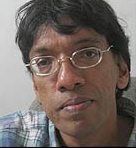
Jehan Perera
 The outcome of President Mahinda Rajapaksa’s meeting with Indian Prime Minister Narendra Modi has
been a let down to the Sri Lankan government. There was a general
expectation in Sri Lanka, fueled by the optimism of government leaders
that a new era of relations would open up when the President of Sri
Lanka met the new Prime Minister of India. In particular there was the
hope that the vexatious international pressure on the government to
proceed with a political solution on the basis of the devolution of
power to the Tamil-majority areas of the country would subside. But this
did not happen. On the contrary, Prime Minister Modi was uncommonly
blunt and precise in calling on his Sri Lankan counterpart to begin
delivering on his oft-repeated promise to the international community of
a political solution that goes beyond the 13th Amendment.
It was believed that because both President Rajapaksa and Prime Minister
Modi come from nationalist traditions, there would be a meeting of
hearts and minds and that they would understand and empathise with each
other as they were thought to be on the same wavelength. The Sri Lankan
government was hoping that Prime Minister Modi’s nationalist
inclinations would make him focus on economic ties with Sri Lanka rather
than on minority rights. This might have been possible if the two
leaders were not from neighbouring countries, where the actions of one
spilled over into the other country. For instance there could be a
meeting of minds between the leaders of Sri Lanka and Russia where it
concerns dealing with separatist insurgencies. Both countries ended up
dealing with their separatists with military force and finally succeeded
in crushing them.
The outcome of President Mahinda Rajapaksa’s meeting with Indian Prime Minister Narendra Modi has
been a let down to the Sri Lankan government. There was a general
expectation in Sri Lanka, fueled by the optimism of government leaders
that a new era of relations would open up when the President of Sri
Lanka met the new Prime Minister of India. In particular there was the
hope that the vexatious international pressure on the government to
proceed with a political solution on the basis of the devolution of
power to the Tamil-majority areas of the country would subside. But this
did not happen. On the contrary, Prime Minister Modi was uncommonly
blunt and precise in calling on his Sri Lankan counterpart to begin
delivering on his oft-repeated promise to the international community of
a political solution that goes beyond the 13th Amendment.
It was believed that because both President Rajapaksa and Prime Minister
Modi come from nationalist traditions, there would be a meeting of
hearts and minds and that they would understand and empathise with each
other as they were thought to be on the same wavelength. The Sri Lankan
government was hoping that Prime Minister Modi’s nationalist
inclinations would make him focus on economic ties with Sri Lanka rather
than on minority rights. This might have been possible if the two
leaders were not from neighbouring countries, where the actions of one
spilled over into the other country. For instance there could be a
meeting of minds between the leaders of Sri Lanka and Russia where it
concerns dealing with separatist insurgencies. Both countries ended up
dealing with their separatists with military force and finally succeeded
in crushing them.

Inasmuch as President Mahinda Rajapaksa’s nationalism is in relation to
Sri Lanka, so would the Indian Prime Minister’s nationalism be in
relation to India’s national interest.
However, there is less reason to believe that two nationalisms that are
next door to each other could cooperate. Those who are nationalists
tend to look at issues from the perspective of their own countries and
the interests of those they deem to be their own. It is generally
universalists or liberals who think of the larger picture and the
wellbeing of all that transcends their own nationality. The boycott of
the swearing in ceremony by the main political leaders of Tamil Nadu
state and the emotional reaction in Tamil Nadu over the invitation
extended to the Sri Lankan president would have sent a message to the
Indian policymakers that the issue of Sri Lanka has to be handled
carefully. Inasmuch as President Mahinda Rajapaksa’s nationalism is in
relation to Sri Lanka, so would the Indian Prime Minister’s nationalism
be in relation to India’s national interest.
Jehan Perera
The outcome of President Mahinda Rajapaksa’s meeting with Indian Prime Minister Narendra Modi has
been a let down to the Sri Lankan government. There was a general
expectation in Sri Lanka, fueled by the optimism of government leaders
that a new era of relations would open up when the President of Sri
Lanka met the new Prime Minister of India. In particular there was the
hope that the vexatious international pressure on the government to
proceed with a political solution on the basis of the devolution of
power to the Tamil-majority areas of the country would subside. But this
did not happen. On the contrary, Prime Minister Modi was uncommonly
blunt and precise in calling on his Sri Lankan counterpart to begin
delivering on his oft-repeated promise to the international community of
a political solution that goes beyond the 13th Amendment.
It was believed that because both President Rajapaksa and Prime Minister
Modi come from nationalist traditions, there would be a meeting of
hearts and minds and that they would understand and empathise with each
other as they were thought to be on the same wavelength. The Sri Lankan
government was hoping that Prime Minister Modi’s nationalist
inclinations would make him focus on economic ties with Sri Lanka rather
than on minority rights. This might have been possible if the two
leaders were not from neighbouring countries, where the actions of one
spilled over into the other country. For instance there could be a
meeting of minds between the leaders of Sri Lanka and Russia where it
concerns dealing with separatist insurgencies. Both countries ended up
dealing with their separatists with military force and finally succeeded
in crushing them.
Inasmuch as President Mahinda Rajapaksa’s nationalism is in relation to
Sri Lanka, so would the Indian Prime Minister’s nationalism be in
relation to India’s national interest.
However, there is less reason to believe that two nationalisms that are
next door to each other could cooperate. Those who are nationalists
tend to look at issues from the perspective of their own countries and
the interests of those they deem to be their own. It is generally
universalists or liberals who think of the larger picture and the
wellbeing of all that transcends their own nationality. The boycott of
the swearing in ceremony by the main political leaders of Tamil Nadu
state and the emotional reaction in Tamil Nadu over the invitation
extended to the Sri Lankan president would have sent a message to the
Indian policymakers that the issue of Sri Lanka has to be handled
carefully. Inasmuch as President Mahinda Rajapaksa’s nationalism is in
relation to Sri Lanka, so would the Indian Prime Minister’s nationalism
be in relation to India’s national interest.
