Peace for the World World ! Your War Our Lives

The Dalai Lama
A Brief Colonial History Of Ceylon(SriLanka)
Sri Lanka: One Island Two Nations
A Brief Colonial History Of Ceylon(SriLanka)
Sri Lanka: One Island Two Nations
(Full Story)
Back to 500BC.

Thursday, September 25, 2014
Enemies Of The President’s Promise

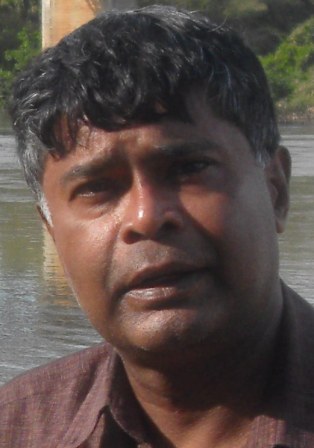
Prof. Rajiva Wijesinha MP
In May 2009, Sri Lanka seemed on top of the world. Under PresidentMahinda Rajapaksa,
the Sri Lankan government and forces had defeated the Liberation Tigers
of Tamil Eelam, which had dominated Tamil politics in Sri Lanka. It had
survived conflict with not just successive Sri Lankan governments, but
even the might of India.
Though the Tigers had
been banned by several countries, there was some sympathy for them in
many Western nations who could not distinguish between them and the
Tamils of Sri Lanka, who they felt had been badly treated by successive
Sri Lankan governments. Fuelled by a powerful diaspora that sympathized
with and even supported the Tigers, several Western nations had tried to
stop the war being fought to a conclusion. When this attempt failed,
they initiated a special session at the Human Rights Council in Geneva, but the condemnation they anticipated of the Sri Lankan government did not occur.
Instead, Sri Lanka initiated a resolution of its own, which passed with
an overwhelming majority. It received the support of most countries
outside the Western bloc, including India and Pakistan and China and
Russia and South Africa and Brazil and Egypt.
 Less
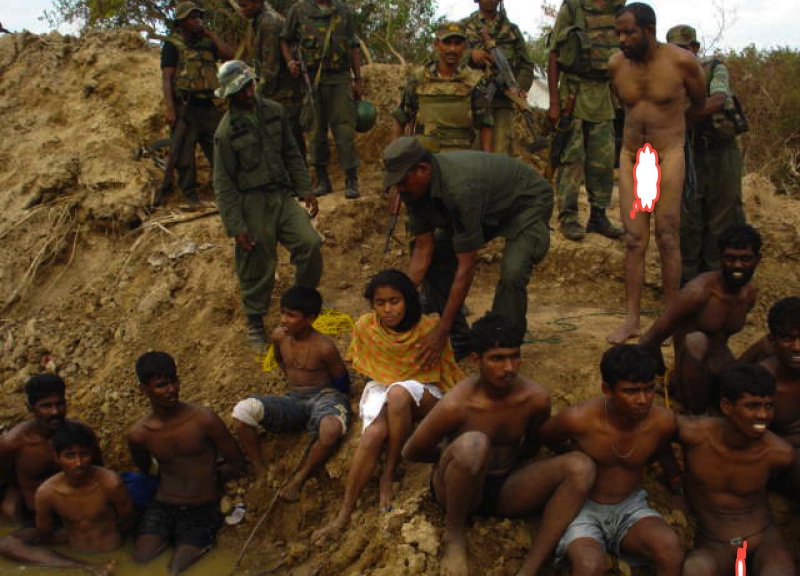
than three years later, the situation had changed. A resolution
critical of Sri Lanka was carried at the Council in Geneva in March
2012, with India voting in its favour. It had been initiated by the
United States, and won support from several African and Latin American
countries, including Brazil, that had been supportive previously. Next
year an even more critical resolution was passed, with a larger
majority, followed in 2014 by a Resolution which mandated an
investigation by the Office of the High Commissioner. India voted
against this Resolution, but it still passed with a large majority.Read More
Less
than three years later, the situation had changed. A resolution
critical of Sri Lanka was carried at the Council in Geneva in March
2012, with India voting in its favour. It had been initiated by the
United States, and won support from several African and Latin American
countries, including Brazil, that had been supportive previously. Next
year an even more critical resolution was passed, with a larger
majority, followed in 2014 by a Resolution which mandated an
investigation by the Office of the High Commissioner. India voted
against this Resolution, but it still passed with a large majority.Read More