Peace for the World World ! Your War Our Lives

The Dalai Lama
A Brief Colonial History Of Ceylon(SriLanka)
Sri Lanka: One Island Two Nations
A Brief Colonial History Of Ceylon(SriLanka)
Sri Lanka: One Island Two Nations
(Full Story)
Back to 500BC.

Wednesday, February 4, 2015
Dominion Status, The Lost Independence

By H.L. Seneviratne -February 4, 2015

H.L. Seneviratne
Nationalism, especially in its manifestation as anti-colonialism, is of
universal appeal among those who have endured colonial domination. This
is legitimate, but a proper understanding of this requires a closer
look. Two dimensions are of particular importance. First, not all
colonialisms are equal. The severity of their oppression varies
according to the particular political cultures of the colonizers, which
themselves have varied according to time. In general, early colonial
rule has been more oppressive and more characterized by atrocities than
late colonial rule. Second, different strata of the colonized feel its
hegemony differently. Typically it is the elites among the colonized who
feel the burden colonialism. Sections of these elites could adapt and
become local agents of the colonialist, but large segments of elite
populations will remain alienated and become fertile ground for the
cultivation of nationalisms. The ordinary people who constitute the
majority are oblivious to colonial domination for the simple reason that
they have been always oppressed, making little difference as to whether
the oppressor is colonialist rather than indigenous. Indeed, for them
the colonial oppressor could well be the lesser evil.
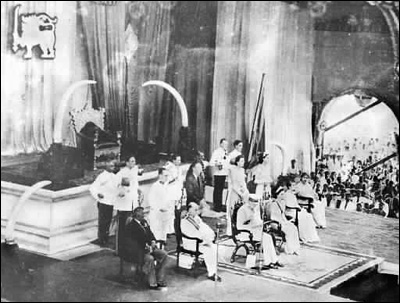 A
particular feature of anti- colonialist nationalism is its inability to
recognize the beneficial effects of colonial rule, irrespective of the
interests and motivation of the colonizer in bringing about such
effects. Typically the colonized nations, at the time of colonization,
have exhibited social and political features that are culture-bound and
“pre-modern” in the sense of being untouched by modern ideas about the
individual and society. Our contemporarily fashionable ideas about
diversity notwithstanding, it is necessary to introduce value judgment
and state, for example, that individual freedom is more valuable than
its absence. Using this criterion and continuing the same example, we
can say that wherever colonialism sought to institutionalize the idea of
individual freedom it was engaging in a beneficial act.Read More
A
particular feature of anti- colonialist nationalism is its inability to
recognize the beneficial effects of colonial rule, irrespective of the
interests and motivation of the colonizer in bringing about such
effects. Typically the colonized nations, at the time of colonization,
have exhibited social and political features that are culture-bound and
“pre-modern” in the sense of being untouched by modern ideas about the
individual and society. Our contemporarily fashionable ideas about
diversity notwithstanding, it is necessary to introduce value judgment
and state, for example, that individual freedom is more valuable than
its absence. Using this criterion and continuing the same example, we
can say that wherever colonialism sought to institutionalize the idea of
individual freedom it was engaging in a beneficial act.Read MoreHow We Can Once Again Become A Truly Independent Nation
By Bishop Kumara Illangasinghe -February 4, 2015

Bishop Kumara Illangasinghe
The New Year dawned for Sri Lanka with a sigh of relief, with much
needed respect for justice and freedom. Currently it seems to be an
environment of less and less restrictions, fear psychosis that engulfed
the minds of people has moved a side, people are receiving almost daily,
the benefits that they had been crying out for many years, fingers are
pointed in the direction of the former regime and individuals who ruled
the roost, during that period and of course with a sense of relief
praises are sung and flowers are offered to the leaders of the new
regime. There is definitely a feeling of ‘achievement’ on the part of
the simple majority of people. There is also a sense of urgency in
respect of many other issues and concerns connected with the people. The
cry for good governance, abolition of the executive presidency, actions
on those who have been responsible for corruption and interference in
the state machinery, establishment of the rule of law, justice and fair
play, punishment for those who have been involved in drug trade and
other illicit scams and on the whole, the implementation of the one
hundred day programme, are very much on the cards.

Sri Lankans have suddenly become very alert and watchful. The media is
involved in a very creative competition to make sure the administrators
deliver the promises made. The media too appears to be experiencing more
freedoms and unrestricted access, enjoying the fearless arena to be
truly exercising their right to provide the information for the people.
We take the opportunity to thank God for all what we have been able to
achieve through the franchise and the peaceful transfer of power that
has been ensured, by the creative and faithful actions of some of the
administrative hierarchy.
