Peace for the World World ! Your War Our Lives

The Dalai Lama
A Brief Colonial History Of Ceylon(SriLanka)
Sri Lanka: One Island Two Nations
A Brief Colonial History Of Ceylon(SriLanka)
Sri Lanka: One Island Two Nations
(Full Story)
Back to 500BC.

Friday, February 6, 2015
SriLankan Airlines: Parliament Reveals UL Loss Is Over 100 Billion: A Few Comments

By Rajeewa Jayaweera -February 6, 2015
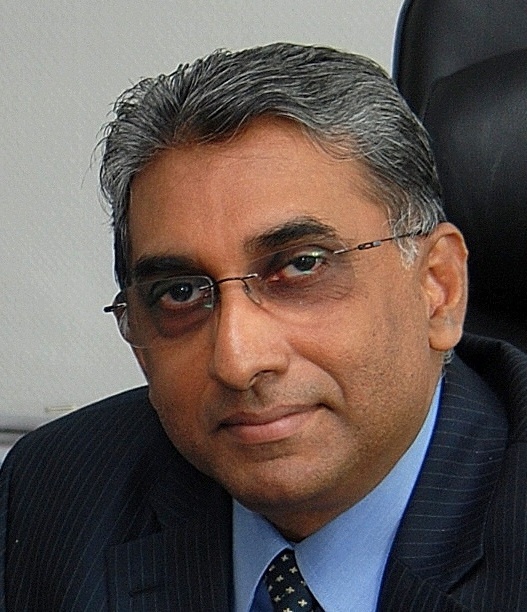
Rajeewa Jayaweera
Having read the article by Marlon Dale Ferreira published
on 02 February 2015, I decided to make a few comments based on my own
experience with the National Carrier spanning over a period of 16 years
which I hope would help readers to put matters in a better perspective.
 On
the issue of “the entire country blaming the previous regime for
milking the national airline by appointing many political stooges that
have now gone on to take the airline basically to the cleaners”.
Ferreira is correct in that political stooges were indeed appointed by
the previous regime. On the issue of “milking the national airline”,
every government since the airline’s inception are guilty of milking the
airline. Suffice to state between 1994 and 1998 in the run up to
privatization, the entire cabinet of Ministers were supposedly opposed
to privatization excluding the then President and Finance Minister who
wanted to be done with regular treasury hand outs. The main concern of
those who opposed privatization was the anticipated loss of First Class
travel. Ministers on officials travel were entitled to First Class
travel. It was a common practice to have their ticket issued against
payment by the relevant ministry, return it to the airline for a refund
which was issued by way of MCOs in the name of the minister (not in the
name of payee), purchase two Economy class tickets for the Minister and
spouse and send the tickets to the Chairman who would oblige by
upgrading both tickets for First Class travel on a ‘firm basis’. This is
but a very small example of how Air Lanka was milked by till 1998. This
practice was drastically reduced though not completely eliminated after
management was taken over by Emirates. Sri Lanka did not have an ‘open
skies’ policy until after privatization of Air Lanka. However several
foreign carriers were granted traffic rights to Sri Lanka simply due to
the carriers of those countries having local companies as General Sales
Agents in Sri Lanka who were close to the Head of State of the day. In
addition, more than one Head of State directed Air Lanka to appoint
their cronies as General Sales Agents in foreign countries on terms
unfavourable to the national carrier. Granting GSA contracts in South
India in the early 1990s to a Trade Union Leader from the Hill Country
resulting in the loss of millions if not billions is one such instance.Read More
On
the issue of “the entire country blaming the previous regime for
milking the national airline by appointing many political stooges that
have now gone on to take the airline basically to the cleaners”.
Ferreira is correct in that political stooges were indeed appointed by
the previous regime. On the issue of “milking the national airline”,
every government since the airline’s inception are guilty of milking the
airline. Suffice to state between 1994 and 1998 in the run up to
privatization, the entire cabinet of Ministers were supposedly opposed
to privatization excluding the then President and Finance Minister who
wanted to be done with regular treasury hand outs. The main concern of
those who opposed privatization was the anticipated loss of First Class
travel. Ministers on officials travel were entitled to First Class
travel. It was a common practice to have their ticket issued against
payment by the relevant ministry, return it to the airline for a refund
which was issued by way of MCOs in the name of the minister (not in the
name of payee), purchase two Economy class tickets for the Minister and
spouse and send the tickets to the Chairman who would oblige by
upgrading both tickets for First Class travel on a ‘firm basis’. This is
but a very small example of how Air Lanka was milked by till 1998. This
practice was drastically reduced though not completely eliminated after
management was taken over by Emirates. Sri Lanka did not have an ‘open
skies’ policy until after privatization of Air Lanka. However several
foreign carriers were granted traffic rights to Sri Lanka simply due to
the carriers of those countries having local companies as General Sales
Agents in Sri Lanka who were close to the Head of State of the day. In
addition, more than one Head of State directed Air Lanka to appoint
their cronies as General Sales Agents in foreign countries on terms
unfavourable to the national carrier. Granting GSA contracts in South
India in the early 1990s to a Trade Union Leader from the Hill Country
resulting in the loss of millions if not billions is one such instance.Read More