Peace for the World World ! Your War Our Lives

The Dalai Lama
A Brief Colonial History Of Ceylon(SriLanka)
Sri Lanka: One Island Two Nations
A Brief Colonial History Of Ceylon(SriLanka)
Sri Lanka: One Island Two Nations
(Full Story)
Back to 500BC.

Tuesday, April 21, 2015
Sri Lanka’s Sinhalese & Tamils: Historical Myths & Realities

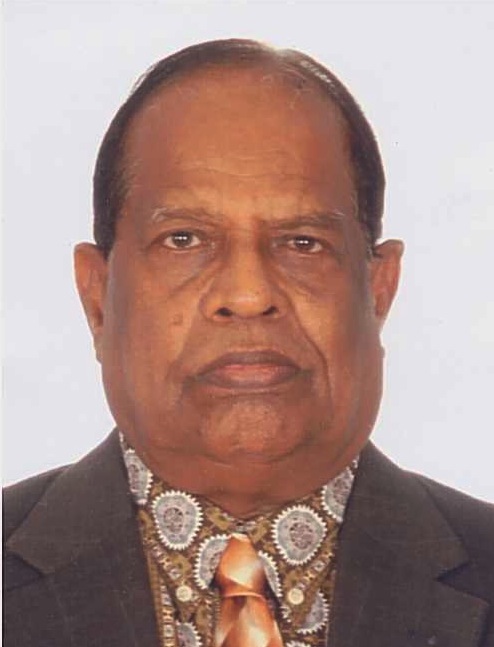
Thambu Kanagasabai
There is the popular but mistaken belief among Sri Lankans and elsewhere that “Mahavamsa”,
a chronicle composed and written by Mahanama Thera in the sixth century
is a record of the history of Ceylon. Anyone who reads Mahavamsa will
find, besides various historical data, stories of miracles and
supernatural happenings on various auspicious occasions, like instant
earthquakes, floods, storms etc. However, discarding these fables, one
will notice the author devoting nine chapters, (out of thirty three
chapters) on Dutugamini, the Naga Buddhist king who defeated the Tamil
king Elara in Anuradhapura in BC 101. While concentrating on Buddha’s
visits to Sri Lanka, it has to be pointed out that Mahavamsa’s author
Mahanama Thera concluded each chapter by stating, “ that this chapter is
compiled for the serene joy and emotion of the pious”.
This statement expresses his motive and purpose, which was that
Mahavamsa was meant and intended for pious and religious Buddhist
devotees and their pleasure, and not meant to record the history of Sri
Lanka. However, Mahavamsa without doubt records the historical data
regarding the kings who ruled Ceylon starting from Devanampiya Tissa’s
rule in BC 247, who introduced Buddhism in Ceylon, until the rule of
Dhatusema in 351 AD.

One of the most striking paintings at Kelaniya: Lord Buddha bringing peace to the warring Naga kings Chulodara and Mahodara
Prof. G.C. Mendis, a well-known history
scholar’s statement is relevant here, (Early History of Ceylon in
1948.); “Mahavamsa records is mainly traditional history, and its
statements have to be carefully examined before they are accepted as
historical evidence.” Consequently various examinations supported by
archaeological investigations and undertaken by local Sinhalese and
foreign researchers have revealed and dissected the truths and myths
recorded in Mahavamsa.
Read More
Read More
