Peace for the World World ! Your War Our Lives

The Dalai Lama
A Brief Colonial History Of Ceylon(SriLanka)
Sri Lanka: One Island Two Nations
A Brief Colonial History Of Ceylon(SriLanka)
Sri Lanka: One Island Two Nations
(Full Story)
Back to 500BC.

Monday, September 7, 2015
An Omnibus Cabinet & Outvoted Parliamentarians: Can The Economy Afford To Maintain This Colony Of Prodigals?
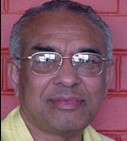
Dr. Ameer Ali

One of the horrendous legacies of the ousted MR regime
was an economy burdened with oppressive debt, a culture of rampant
corruption if not outright thievery, and gargantuan projects of colossal
waste. The Mattala airport is
the best example of such a project. Therefore it should be an obvious
priority to the regime that just came in to take steps immediately to
bring down the debt to manageable proportions, eradicate corruption and
cut down the number of or cancel all wasteful projects. Prudence in
public expenditure should be the first step that the government should
adopt to move along that path.
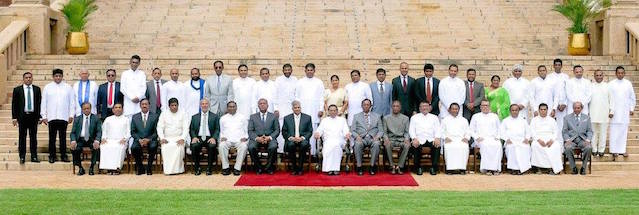
The appointment of forty-eight ministers and thirty-seven deputy
minsters, not because these minsters and their deputies are extremely
talented and will contribute to the productivity and growth of the
economy but just to reward party supporters and loyalists goes against
the very grain of economic prudence. Is Sri Lanka such a huge and
complex polity and economy that it demands the service of that many
ministers and deputies with enormous salaries and perks? Can anyone tell
the people the estimated total cost of this colony of artificially
elevated political gentry? Will they fulfil their tax obligations? Who
will check on their profligacy and punish for their incompetency and
dereliction? Is there a mechanism to measure their performance and
productivity?
In the past and long before the MR regime a much restricted number of
ministers assisted by very able civil servants like for example,
Dharmasiri Pieris and Bradman Weerakoon,
only to name a couple, took the country and its administration from
strength to strength even in the midst of political and economic crises.
Is the country bereft of such civil servants now? If the answer is yes,
then it conveys a sad tale about the recruitment procedure of the
public servants. An amalgamation of small departments, appointment of
able public servants and restriction of the number of ministries will
prune down the cost of administration and waste.