Peace for the World World ! Your War Our Lives

The Dalai Lama
A Brief Colonial History Of Ceylon(SriLanka)
Sri Lanka: One Island Two Nations
A Brief Colonial History Of Ceylon(SriLanka)
Sri Lanka: One Island Two Nations
(Full Story)
Back to 500BC.

Monday, October 26, 2015
The Sri Lankan Obsession With Superlatives & Superiority
By Emil van der Poorten –October 25, 2015
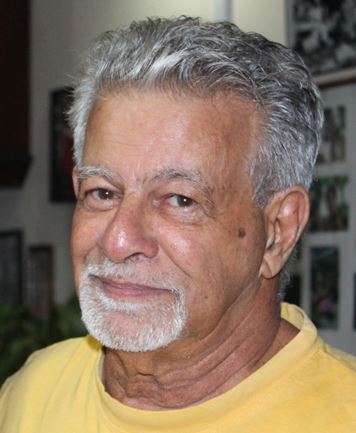
Emil van der Poorten

It is said that first impressions are the most vivid and I can,
certainly, recall the tone and content of my early contact with the
language that was spoken on radio or tv or appeared in print for either
the purpose of selling some product or in the dissemination of
information when I returned to Sri Lanka about a decade ago.
Having found the North American, particularly the USA, claims that the
product being spoken of was top-notch in every way and having reached
the point when such rhetoric made one want to puke, there was an
expectation that laid-back Sri Lanka would be haven from such basic
boastfulness.
Did I have a surprise coming!
It seemed like anything and everything we, in Sri Lanka, said or did was
“the greatest.” The boxer who gave that particular word credibility and
new meaning was that black fighter from Louisville, Kentucky who,
during his transition from Cassius Clay to Muhammed Ali, applied that
sobriquet to himself and repeated it, seemingly, ad nauseam. At first,
it was taken as simply promotional hype and, given the often-bizarre
conduct of the man who kept repeating it, was simply taken as an
eccentricity and did, at worst, prove the time-worn contention that
there is no such thing as bad publicity. However, the difference was
that Ali did prove that he could “float like a butterfly and sting like a
bee,” backing his boast every foot of the way with his balletic foot
movements and lightning fast fists.
I sometimes wonder whether modern Sri Lanka’s predilection for repeating
the mantram of “we are the greatest” harks back to its taking of the
World Championship of Cricket in 1996. The fact that the competition
had, overshadowing it, the spectre of terrorist violence which led to
some of the premier competing countries refusing to compete on Sri
Lankan soil out of fear for their lives, appears to have deliberately
been downplayed and when, referred to at all, has been preceded or
followed by the accusation of lily-livered cowardice on the part of the
opposition, that accusation being picked up by more than the usual
proportion of the international media as a result of it being uttered by
no less a person than the country’s Minister of Foreign Affairs. The
dapper and debonair Lakshman Kadirgamar whose
public persona, as projected to the western media in particular, was,
if not the epitome of all that was bright and sophisticated, certainly
was more worldly and intelligent than many who preceded him and
certainly streets ahead of those who followed him in that ministry!
