Peace for the World World ! Your War Our Lives

The Dalai Lama
A Brief Colonial History Of Ceylon(SriLanka)
Sri Lanka: One Island Two Nations
A Brief Colonial History Of Ceylon(SriLanka)
Sri Lanka: One Island Two Nations
(Full Story)
Back to 500BC.

Thursday, December 17, 2015
CKDu In Sri Lanka – Has The Management Of The Disease Improved?
By Amarasiri de Silva –December 16, 2015
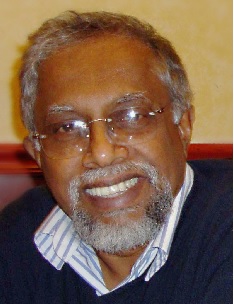
Dr. Amarasiri de Silva

The two principal areas of research into CKDu –
that based on data collected from people in the community, and that
based on patient data available in hospitals – are pursued entirely
separately in our country. The field research is field research and the
hospital-based research is hospital-based research, and it seems that,
in Sri Lanka, never the twain shall meet. CKDu researchers often derive
their own data from field investigations, but are either not allowed to
or have not attempted to make use of hospital data as sampling frames to
draw their field samples for research. On the other hand, the patient
data in hospitals are analysed (mostly by doctors), without linking them
with the community perspectives of the patients. Therefore, readers of
such research often have to grapple with the problem of linking the two
sides of the story – the treatment and disease management aspects with
the socioeconomic or community issues. In other words, the link between
the community and the hospital is almost absent in CKDu research. Often,
CKDu patient data in hospitals in Sri Lanka are regarded as the
‘exclusive property’ of the doctors, and they are not shared with other
scientists, especially with social scientists, who would like to use
such data towards improving public health. This has given rise to a dire
situation in CKDu research in Sri Lanka as the opportunities for mutual
benefit and understanding between hospital-based research/data and
community-based research/data are virtually absent. This unhealthy
compartmentalization has prevented a comprehensive understanding,
particularly when regarding CKDu as a problem in the community rather
than only at the level of the individual patient.
Despite this duality, researchers have contributed in their own way to
build up a narrative or a discourse on CKDu, which has helped to lead
the public towards a medicalized understanding of the issues that
surround CKDu. As a result, people in affected communities tend to look
at CKDu as a disease caused by polluted water and environmental
contaminants such as pesticides and herbicides. Hospital doctors,
however, have not been able to convince the public that hospital
attendance for CKDu is beneficial, particularly that early diagnosis and
treatment can relieve most of the problems associated with the later
stages of the disease. Moreover, many people who are in the final stages
of the disease do not attend hospitals regularly: when the disease
becomes severe and debilitating, they discharge themselves from
hospital, and suffer and die in a few years in their own communities,
because all that’s wrong in health care and hospital system [studies
show such patients in their end-stages die within two years after they
are diagnosed].
Since the disease was first identified in the 1990s, about 65 articles
have been published in peer-reviewed journals – a commendable
achievement in terms of investigating the phenomenon from different
perspectives. An article or news item related to CKDu appears in the
media almost every week, often based on scientific articles and mediated
to cater to the needs of the general public. Public awareness of the
disease is pretty high within the affected areas as well as in the
country generally, largely due to the contribution of the media and the
work of local health departments.
The health ministry has taken many steps
to improve preventive measures pertaining to the disease, and to care
for CKDu patients in the affected regions. Among these, allocating more
funds and providing better facilities, such as nephrology clinics,
trained doctors (nephrologists) and nursing staff, etc. seem important.
As I was informed by Dr. Tilak Abeysekera (Consultant Nephrologist,
Nephrology Dialysis and Transplant Unit, Teaching Hospital, Kandy), 23
nephrology clinics have been set up by the government in NCP. In the
early 2000s, about 4% to 5% of the country’s health budget was spent on
the treatment and management of CKDu patients [as Dr P.G. Mahipala,
Director General of Health Services, presented at the symposium on CKDu
in 2014, organised by the National Academy of Science. This is a
significant proportion and more that the proportion spent on higher
education!]. Since then, the need for facilities such as nephrology
clinics, dialysis machines and a trained medical work force has been
highlighted by the news media, activists, and doctors. The outcomes of
these efforts are commendable as well as disappointing.
Read More
