Peace for the World World ! Your War Our Lives

The Dalai Lama
A Brief Colonial History Of Ceylon(SriLanka)
Sri Lanka: One Island Two Nations
A Brief Colonial History Of Ceylon(SriLanka)
Sri Lanka: One Island Two Nations
(Full Story)
Back to 500BC.

Wednesday, January 27, 2016
In defence of dissent: Arundhati Roy
Roy challenges the Bombay High Court (Nagpur bench) order to launch criminal proceedings against her, in the Supreme Court. SC issues notice but directs her to appear before the High Court on January 25
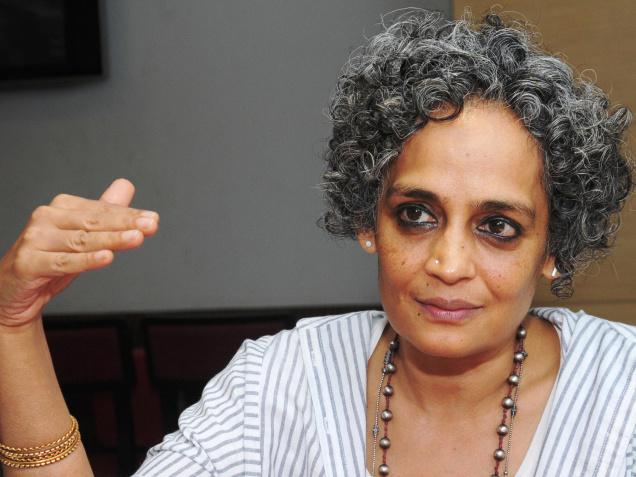
Image Courtesy: K. Pichumani, The Hindu
The
order of the Bombay High Court directing criminal contempt proceedings
against me is untenable legally besides raising crucial questions of the
right to freedom of expression in a democracy, says Arundhati Roy in
her appeal; SC issues notice to Bombay High Court and the Maharashtra
government on Friday (January 22) but directs Roy to appear before the
Court on January 25, 2016
 Published on: January 23, 2016
Noted
writer Arundhati Roy has challenged the order of the Napur bench of the
Bombay High Court dated December 23, 2015 directing criminal defamation
proceedings to be filed against her[1]. The special leave petition was filed on January 7, 2016 in the Supreme Court of India.
Roy
has challenged the High Court’s Order on grounds that it is not tenable
in the eyes of the law and in fact militates against the law laid down
by Constitutional Courts from time to time. Besides, it raises crucial
questions of freedom of expression and the right to criticise
governments and state institutions in a democracy.
The
judgement directing Roy to be proceeded against through criminal
contempt proceedings was based on an article that she wrote for Outlook magazine
on May 9, 2015. In response, her special leave petition states that “ a
reading of the contents of the article authored by the petitioner (Roy)
on the basis of which criminal contempt proceedings have been
initiated, would reveal that she was only bringing forth the plight of a
person who is ninety per cent disabled, wheelchair bound and suffers from a degenerative medical condition that requires constant medical care.”
The
special leave petition of Arundhati Roy argues that there are three
crucial aspects which show that the Bombay High Court has erred in law.
These are:
- That no application for bail was pending when the petitioner (Roy)
had written her article. The court itself had noted that the previous
proceeding that resulted in the dismissal of the bail application moved
by Dr. Saibaba, had come to an end on August 25, 2014. The article
authored by the petitioner was published by Outlook magazine on May 9,
2015, a full seven months later. Therefore, there is no basis to hold
that the petitioner had a “malafide motive”or a “game plan” to “interfere in the administration of justice.”
- That Roy’s article was a bonafide exercise of her Freedom of Expression. Arundhati Roy has stated in her petition, that “For
the sake of argument let’s leave the decision about whether Dr Saibaba
is guilty or innocent of the charges levelled against him to the courts.
And for the moment let’s turn our attention solely to the question of
bail—because for him that is quite literally a matter of life and
death.” Roy believed that the question of Dr. Saibaba’s liberty in
the given circumstances, was quite literally a question of life and
death due to his worsening medical condition, and therefore it was of
urgent and utmost importance that he be granted bail.
The same Court that is the Bombay
High Court (that had cancelled Professor Saibaba’s interim bail on
December 23, 2015), had, on June 26, 2015 (in Criminal PIL No 4/2015)
stated quite the contrary to what was held in the December 2015 order.
The Court had earlier said, “We are satisfied that if Professor
Saibaba is not released on temporary bail for medical treatment and
supportive care as indicated above, there could be a risk to his life
and health.” At that stage, the High court at Bombay had held that
the medical condition of Dr. Saibaba required immediate medical
attention, and hence he was entitled to be released on temporary bail.
See more
Image Courtesy: K. Pichumani, The Hindu
The order of the Bombay High Court directing criminal contempt proceedings against me is untenable legally besides raising crucial questions of the right to freedom of expression in a democracy, says Arundhati Roy in her appeal; SC issues notice to Bombay High Court and the Maharashtra government on Friday (January 22) but directs Roy to appear before the Court on January 25, 2016
Published on: January 23, 2016Noted writer Arundhati Roy has challenged the order of the Napur bench of the Bombay High Court dated December 23, 2015 directing criminal defamation proceedings to be filed against her[1]. The special leave petition was filed on January 7, 2016 in the Supreme Court of India.
Roy has challenged the High Court’s Order on grounds that it is not tenable in the eyes of the law and in fact militates against the law laid down by Constitutional Courts from time to time. Besides, it raises crucial questions of freedom of expression and the right to criticise governments and state institutions in a democracy.
The judgement directing Roy to be proceeded against through criminal contempt proceedings was based on an article that she wrote for Outlook magazine on May 9, 2015. In response, her special leave petition states that “ a reading of the contents of the article authored by the petitioner (Roy) on the basis of which criminal contempt proceedings have been initiated, would reveal that she was only bringing forth the plight of a person who is ninety per cent disabled, wheelchair bound and suffers from a degenerative medical condition that requires constant medical care.”
The special leave petition of Arundhati Roy argues that there are three crucial aspects which show that the Bombay High Court has erred in law. These are:
The same Court that is the Bombay High Court (that had cancelled Professor Saibaba’s interim bail on December 23, 2015), had, on June 26, 2015 (in Criminal PIL No 4/2015) stated quite the contrary to what was held in the December 2015 order. The Court had earlier said, “We are satisfied that if Professor Saibaba is not released on temporary bail for medical treatment and supportive care as indicated above, there could be a risk to his life and health.” At that stage, the High court at Bombay had held that the medical condition of Dr. Saibaba required immediate medical attention, and hence he was entitled to be released on temporary bail. See more
