Peace for the World World ! Your War Our Lives

The Dalai Lama
A Brief Colonial History Of Ceylon(SriLanka)
Sri Lanka: One Island Two Nations
A Brief Colonial History Of Ceylon(SriLanka)
Sri Lanka: One Island Two Nations
(Full Story)
Back to 500BC.

Sunday, August 21, 2016
8 Impressive Health Benefits of Turmeric
 by Dr. Edward Group DC, NP, DACBN, DCBCN, DABFM-December 11, 2014
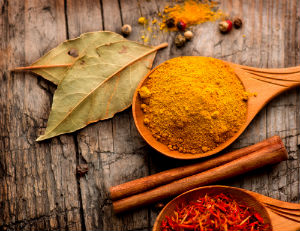
 Turmeric, or Curcuma longa, is an ancient spice popular in India and Asia as far back as 2,000 BC. The spice belongs in the ginger family
and has been highly prized in the culinary traditions of these
cultures. Turmeric imparts a vibrant yellowish hue to curry dishes, and
the spice is also used as a natural dyeing agent for cloths. In Persia,
turmeric comes from the word saffron and is closely related to the
spice.
Turmeric, or Curcuma longa, is an ancient spice popular in India and Asia as far back as 2,000 BC. The spice belongs in the ginger family
and has been highly prized in the culinary traditions of these
cultures. Turmeric imparts a vibrant yellowish hue to curry dishes, and
the spice is also used as a natural dyeing agent for cloths. In Persia,
turmeric comes from the word saffron and is closely related to the
spice.
 The Healing Benefits of Turmeric
The main phytochemicals that give turmeric its most impressive and
wide-ranging health benefits are curcuminoids. Amazingly, over 9,000
medical and clinical research studies have been conducted on this
amazing spice and curcumin in recent years, with most noting significant benefits
There are 3 primary phytochemicals in the curcuminoid family that
produce the health benefits: diferuloylmethane (or curcumin, the primary
curcuminoid responsible for turmeric’s vibrant yellowish color),
demethoxycurcumin, and bisdemethoxycurcumin. In addition to these three
chemicals, turmerone is another of the potent volatile oils found in the
root.
Research has proven these curcuminoids exert powerful health-promoting
effects via 160 mechanisms and pathways in the body such as antioxidant, neuroprotective, immunomodulatory, anti-inflammatory, epigenetic, and adaptogenic properties. [1] [2]
8 Health Benefits of Turmeric
Turmeric provides an abundance of antioxidants capable of supporting
cellular health, but what does that mean for you? Here are some of the
most well-researched benefits of turmeric.
1. Promotes Balanced Mood
A randomized, double-blind, placebo-controlled study in the Journal of
Affective Disorders showed noticeable and promising results with
turmeric for supporting a balanced mood. Two groups were studied over 8
weeks. The first group received curcumin daily, while the other received
placebo. After 8 weeks, the depression and anxiety score
tests completed by all of the participants showed significant symptom
improvements compared to placebo. Could turmeric be a potential new
option for stabilizing mood? [3]
2. Helps Wounds Heal
Cut your finger? A study in the Sept 2014 issue of Life Sciences found
that turmeric (curcumin) has beneficial properties that appear to speed
the wound healing process. These modes of action include the modulation
of redness and welling and
oxidation. As new studies come to light showing turmeric’s ability to
potentiate the body’s natural healing processes and outcome, the
possible breadth of applications could be enormous.[4]
An exciting study in the Oct 2006 issue of Molecular and Cellular
Biochemistry demonstrated the efficacy of a topical turmeric application
for wounds in rats. The results showed that turmeric increased collagen
synthesis rates, improved wound contraction, and increased tissue
strength and cell proliferation around the wound. Turmeric also showed
antioxidant properties that helped the healing process. [5]
3. Aches and Discomfort
An impressive study completed and published in the March 2014 issue of
the Journal of Clinical Interventions in Aging looked at the effect of
turmeric on knee osteoarthritis pain and function. In the 4-week study,
two groups were randomized and divided; one group received turmeric
extract, while the other group received the daily upper limit dose of
ibuprofen.
Results showed that the turmeric group experienced discomfort relief
just as much as the ibuprofen group. The turmeric group, however, seemed
to enjoy more relief from joint stiffness. Those taking turmeric
reported significantly less side effects than those taking NSAIDs. [6] A
double-blind, placebo-controlled study in the December 2011 issue of
Surgical Endoscopy looked at turmeric supplementation on postoperative
discomfort and fatigue in patients who had gallbladder surgery. Patients
taking turmeric experienced significantly less pain and fatigue (per
pain scale log assessments) at intervals of 3 weeks, as compared to
placebo. [7]
4. Encourages Balanced Blood Sugar
A novel investigative study published in the Nov 2014 issue of The
Journal of Endocrinology looked at the effects of curcumin on the
insulin-producing cells of the pancreas called Beta cells (or B-cells)
and Islet cells, in relation to type-2 diabetes.
Researchers treated B-cell lines and human Islet cells with
preparations of turmeric and reported a number of positive benefits. [8]
5. Soothes Irritated Tissue
Turmeric has been shown in studies to be valuable in helping the body
modulate and buffer excess irritation. The swelling response is a
healthy and natural mechanism the body uses to usher soothing compounds
in acute times of crises or repair. It’s believed that most people in
today’s toxic, stress-laden environment are under constant inflammatory
conditions, and a growing number of experts believe it to be the origin
of many diseases.
A review published in the 2007 issue of Advances of Experimental
Medicine noted the soothing effect of turmeric is likely exerted through
its ability to inhibit inflammatory enzymes including cyclooxygenase-2
(COX-2), lipoxygenase (LOX), and nitric oxide synthase (NOS), among
others. These three are particularly important enzymes that mediate and
inform the inflammatory processes, though if poorly regulated can
possibly lead to disease. Turmeric shows promise in helping the body
adapt and regulate these enzymes. [9] [10]
6. Helps Stiff Joints
A randomized, pilot clinical study was published in the November 2012
issue of Phytotherapy Research. The goal of the study was to see the
effectiveness and/or difference in the relief of active joint
discomfort.
One study group received the standard-of-care medication (diclofenac
sodium), while the other received turmeric. Patients were given symptom
score sheets (DAS/ACR) to assess results. Turmeric outperformed
diclofenac sodium on all levels, including being relatively free from
adverse side effects.[11]
7. Cholesterol Optimization
Turmeric’s ability to help the body regulate and balance cholesterol
levels has been hypothesized and studied since the 1990s with varying
levels of benefits. A couple of these studies show an impressive
reduction in lipid profiles and cholesterol markers in
turmeric-supplemented groups. One randomized, single-blind clinical
study published in the November 2011 issue of Phytotherapy Research set
out to investigate turmeric’s effect on cholesterol and triglyceride
levels.
Group participants were given either turmeric (curcumin) in low or high doses, and a control group was given vitamin E only.
After just seven days, the results proved statistically significant.
Low-dose turmeric showed the most improvement as compared to the other
two groups, with serum cholesterol levels being reduced by 17% and
triglycerides being slashed a whopping 47%! [12]
Another study conducted a similar seven day trial. Results showed the
turmeric (curcumin) supplemented participants had reduced serum
cholesterol by 12%, reduced lipid peroxides (cholesterol byproduct
marker) by 33%, and increased HDL cholesterol (the good kind) by an
impressive 29%. Most importantly, these studies show that turmeric is
consistently safe and has very low risk of side effect. [13]
8. Ulcers
India has long used turmeric in curry dishes as a taste and color
enhancer. Another key reason turmeric has been used in so many cultural
dishes in the East for millennia is because of its soothing properties
on digestion. Researchers wanted to test the protective effects of
turmeric on the lining of the stomach against acidic preparations
(ethanol) used to induce stomach ulcers in test animals (representative
of humans).
A preparation containing the essential oils from turmeric was
administered prior to the ethanol and the results were impressive.
Turmeric inhibited stomach ulcer formation by an impressive 85%.
Lesions, tissue necrosis, and hemorrhaging were also greatly reduced. In
addition, turmeric also appears to offer some impressive protection for
stomach ailments. [14]
Supplementing with Turmeric
There are a lot of turmeric supplements on the market; some better than
others. At minimum, make sure to only purchase organic products from
reputable companies. Because turmeric is so popular, there’s no shortage
of hucksters out there peddling low quality junk that’s produced under
questionable
circumstances. If you’re in the market for a turmeric supplement, we recently released a liquid turmeric extract that I’m really proud of. The initial feedback has been incredible.
I’d like to hear from people who’ve supplemented with turmeric. What’s
it doing for you? Leave a comment below and share your experience.
References:
