Peace for the World World ! Your War Our Lives

The Dalai Lama
A Brief Colonial History Of Ceylon(SriLanka)
Sri Lanka: One Island Two Nations
A Brief Colonial History Of Ceylon(SriLanka)
Sri Lanka: One Island Two Nations
(Full Story)
Back to 500BC.

Monday, November 28, 2016
Media, An Unrecognised & Unutilised Stakeholder In The Transitional Justice Process

By Aingkaran Kugathasan –November 28, 2016

Aingkaran Kugathasan
In any country that is deeply divided, a lot more needs to be done than
solely establish multiple offices with overlapping mandates towards,
building trust and confidence across the divide and in bridging the
information gap which was one of the main reasons for the mistrust
amongst communities. It is quite disturbing to see that the Sri Lankan
media hasn’t recognised its value and the impact it could make in
supporting and promoting much-delayed national reconciliation and
reform. Executing a transitional justice process that aims to bring
national reconciliation in a society deeply polarised for decades over
various reasons/ideologies won’t yield the expected outcome and it is
time the Sri Lankan media realise their role and social responsibility
in constructively engaging in the transitional justice process.
The crucial role the media can play in promoting reconciliation in Sri
Lanka has been highlighted in various forums since the end of the brutal
war in May 2009. The then government headed by Mahinda Rajapaksa did
next to nothing to address the root causes of the conflict and to deal
with the unspeakable consequences of the bloody war. On the contrary,
the Rajapaksa regime cultivated a culture of intolerance and hatred by
patronizing radical and nationalist groups and media outlets inciting
racism and extremism and harassing, intimidating or threatening the
media and any dissenting voice.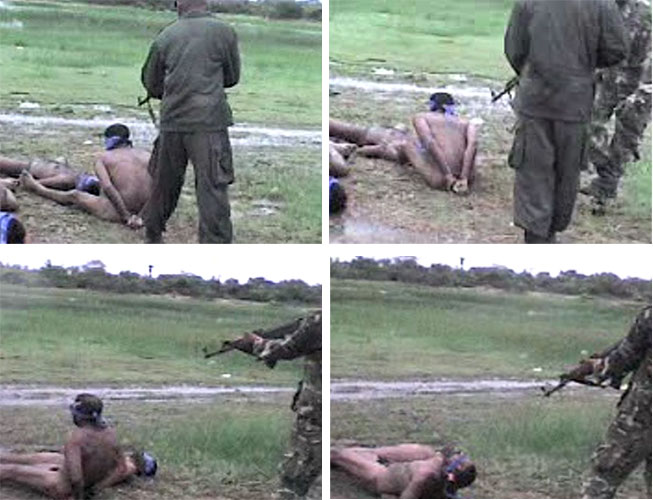
With the defeat of Rajapaksa in January 2015, media freedom in Sri Lanka
improved sharply due to the apparently less restrictive policies of the
Sirisena government. With some key changes, including, eased political
pressure on media, Constitutional guarantee on the Right to Information
(RTI), improved freedom of movement for journalists, and reversal of ban
on internet, media personnel experienced an improvement in space as did
the NGO sector. Besides, at various occasions, the key players in the
transitional justice process, namely the President, Premier and Foreign
Minister expressed their commitment (and willingness) towards an
inclusive and consultative approach towards the transitional justice
agenda. Nevertheless, despite the political rhetoric, the key actors in
the National Government headed by Sirisena which came into power with
promises of good governance for a transparent and corruption-free Sri
Lanka has failed to do anything substantial to fight this culture of
inciting racism and extremism using radical groups and media outlets
backed by extremists or parties with vested interests.
In 2015 September, by co-sponsoring the UN Human Rights Council’s
(UNHRC) Resolution titled ‘Promoting Reconciliation, Accountability and
Human Rights in Sri Lanka’ the Sirisena government made a promise to Sri
Lankans and to the international human rights community that this
government will take genuine efforts for reconciliation. The Resolution
emphasizes on the importance of consultative and participatory methods
that include incorporating views of all relevant stakeholders to
guarantee the effectiveness of the proposed TJ mechanisms.
In light of this the GoSL has established several offices (and
Ministries), including the Consultation Task Force (CTF) on
Reconciliation Mechanisms. The CTF was established in 2015 with a set of
guidelines which specifically states that consultations will be
preceded by public awareness and information campaigns on the purpose
and objective of the consultation process. Be that as may, the CTF was
unable to reach out to the masses as envisaged due to its own
limitations.
