Peace for the World World ! Your War Our Lives

The Dalai Lama
A Brief Colonial History Of Ceylon(SriLanka)
Sri Lanka: One Island Two Nations
A Brief Colonial History Of Ceylon(SriLanka)
Sri Lanka: One Island Two Nations
(Full Story)
Back to 500BC.

Thursday, June 1, 2017
36 years of burn wounds: The Jaffna Library
 31 May 2017
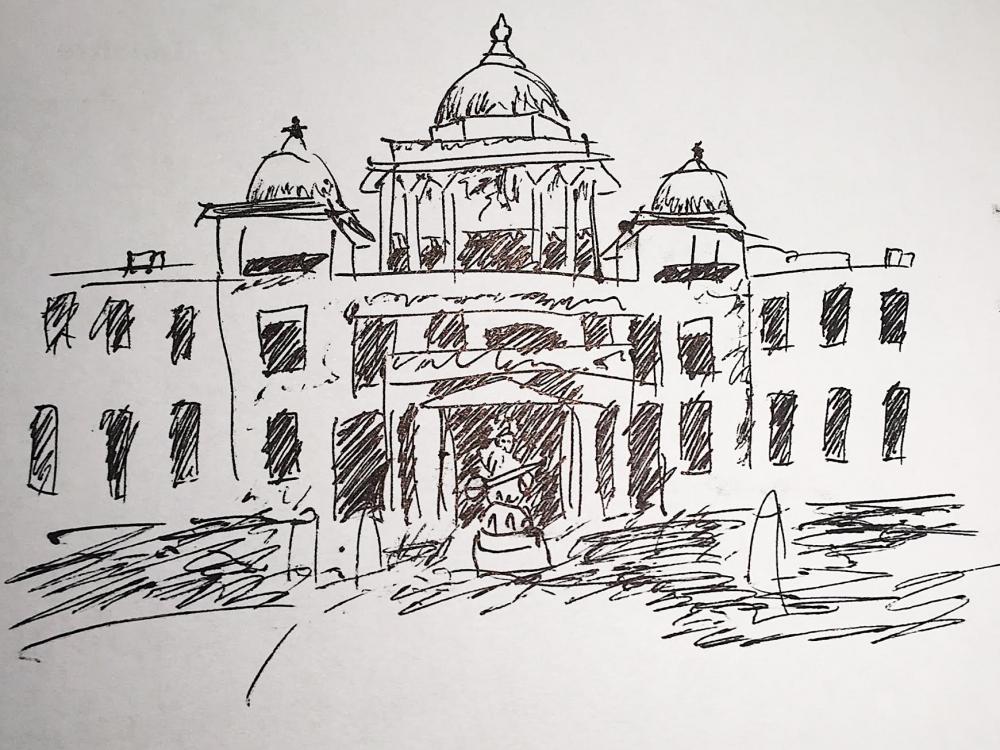
Thirty-six years ago today, the Jaffna Public Library, a crown jewel
among Tamil cultural institutions and one of the largest libraries in
South Asia, burned at the hands of Sri Lankan security forces and
state-sponsored mobs.
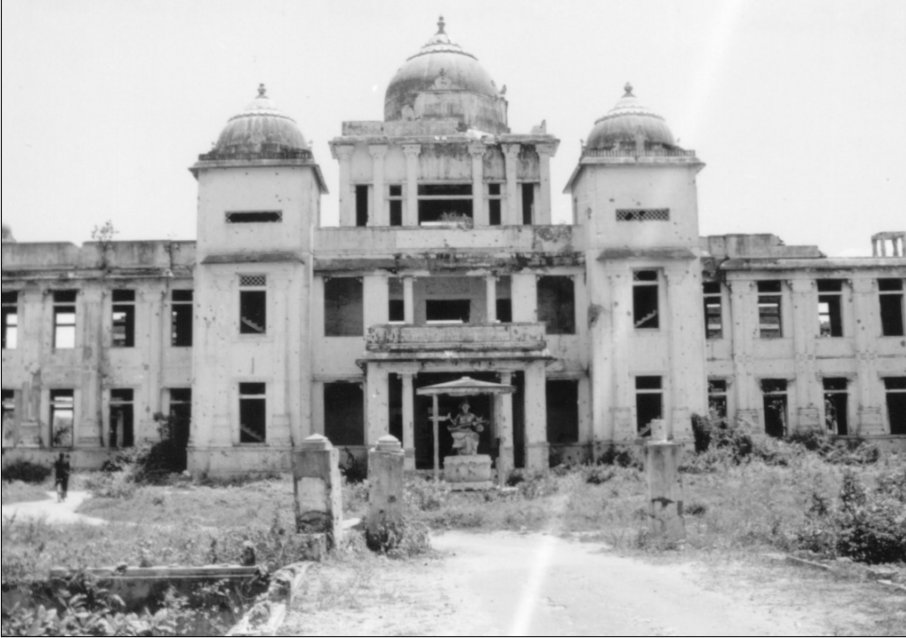
As dravidian-inspired building burned for two nights from the 31st May
1981, the Tamil nation lost over 95,000 ancient Tamil palm leaves
(olai), manuscripts, parchments and irreplaceable books, magazines and
newspapers.
In 2010 the restored library, closed to the public for a medical
conference, was again vandalised by a group of Sinhalese tourists who
were denied entry.
31 May 2017
Thirty-six years ago today, the Jaffna Public Library, a crown jewel
among Tamil cultural institutions and one of the largest libraries in
South Asia, burned at the hands of Sri Lankan security forces and
state-sponsored mobs.
As dravidian-inspired building burned for two nights from the 31st May
1981, the Tamil nation lost over 95,000 ancient Tamil palm leaves
(olai), manuscripts, parchments and irreplaceable books, magazines and
newspapers.
In 2010 the restored library, closed to the public for a medical
conference, was again vandalised by a group of Sinhalese tourists who
were denied entry.
 The 1981 burning happened under the watch of a UNP government, during a
period of electioneering for District Development Council elections and
notably while two notoriously Sinhala chauvinist cabinet ministers -
Cyril Mathew and Gamini Dissanayake - were in Jaffna. Earlier on the
31st May, three Sinhalese police officers were killed during a rally by
the TULF (Tamil United Liberation Front).
In December 2016, an ‘apology’ for the burning, by current Sri Lankan
Prime Minister Ranil Wickremesinghe, was criticised - after initially
receiving praise as a step towards reconciliation; the offhand manner in
which it was delivered revealing a marked disregard for how deeply
Tamils on the island continue to mourn the burning.
Today, the iconic white domes once again gleam out against the Jaffna
skyline, determined to survive the onslaughts of Sinhala chauvinism, as
the Tamil nation has always been.
The 1981 burning happened under the watch of a UNP government, during a
period of electioneering for District Development Council elections and
notably while two notoriously Sinhala chauvinist cabinet ministers -
Cyril Mathew and Gamini Dissanayake - were in Jaffna. Earlier on the
31st May, three Sinhalese police officers were killed during a rally by
the TULF (Tamil United Liberation Front).
In December 2016, an ‘apology’ for the burning, by current Sri Lankan
Prime Minister Ranil Wickremesinghe, was criticised - after initially
receiving praise as a step towards reconciliation; the offhand manner in
which it was delivered revealing a marked disregard for how deeply
Tamils on the island continue to mourn the burning.
Today, the iconic white domes once again gleam out against the Jaffna
skyline, determined to survive the onslaughts of Sinhala chauvinism, as
the Tamil nation has always been.
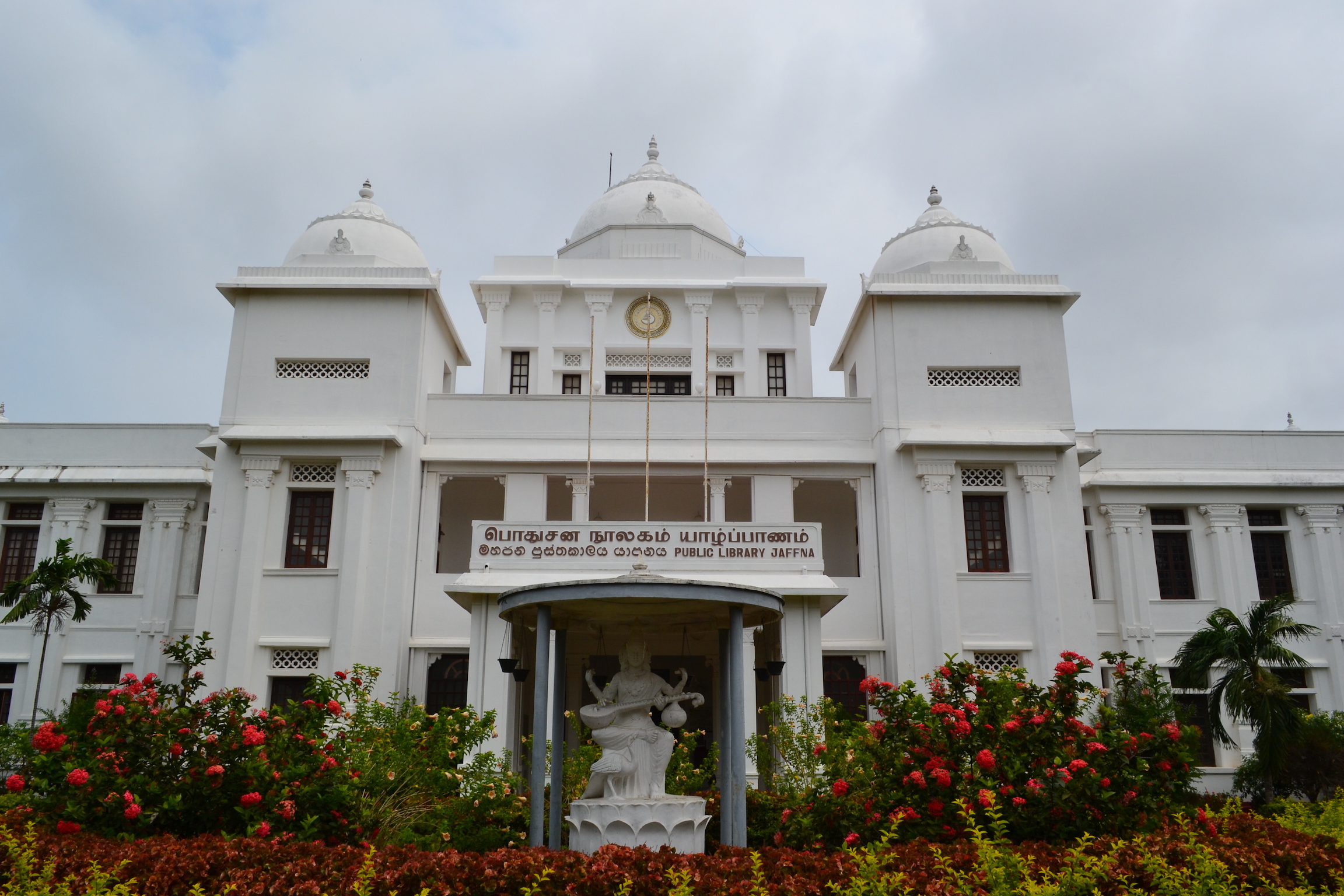 The library administration reported a rise in membership for the year
2016. Tourist buses, mostly containing Tamils from other districts and
the diaspora, still flock daily to the gates, to stand before the emblem
of the ancient Yaazh and reflect on the Tamil nation’s long and complex history.
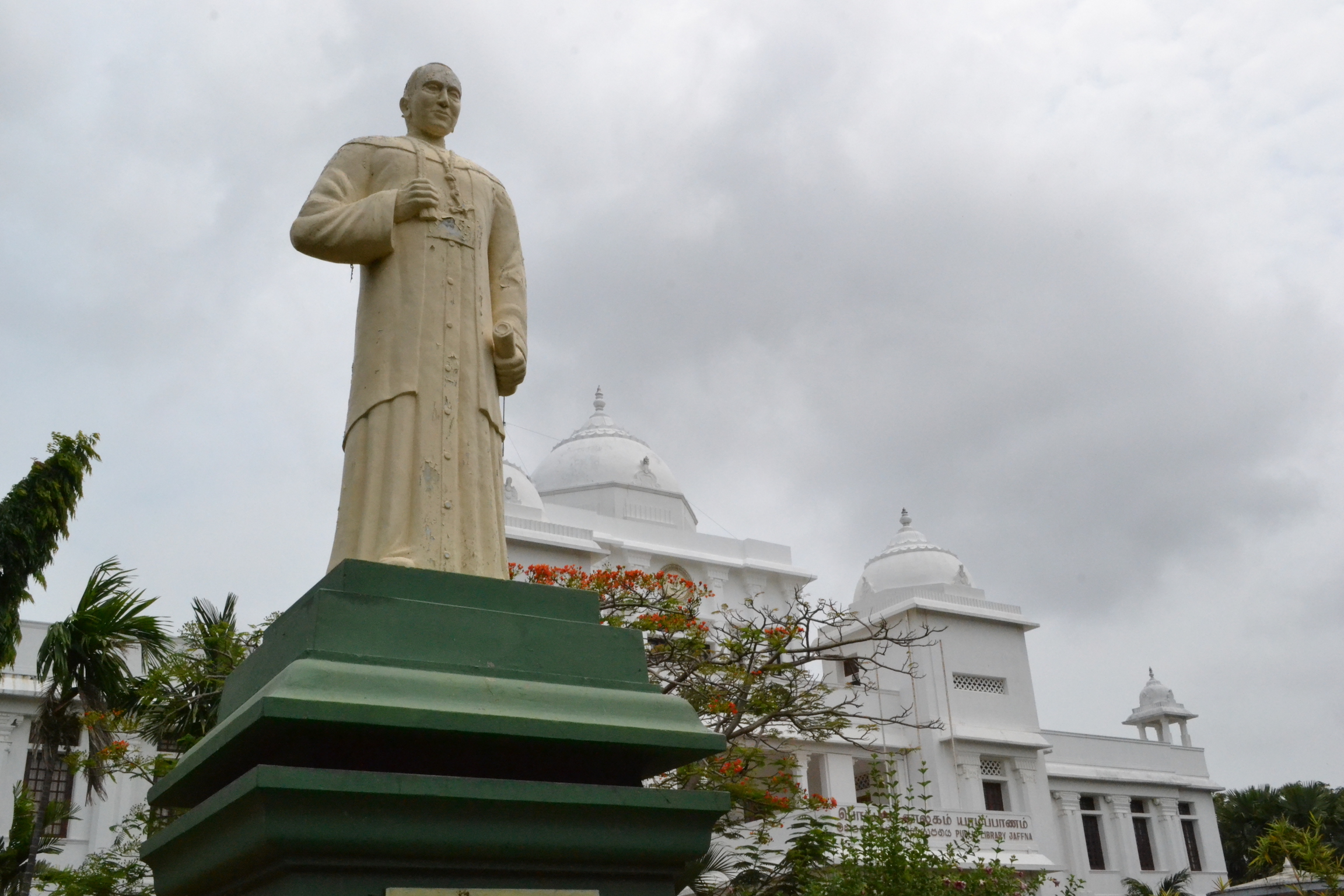
The scholar and community leader, Reverend Father David reportedly died
from shock days after the incineration of his beloved institution. While
his statue in the library courtyard is surrounded now by the
spirit-soothing greens of local flora, his demise epitomises the loss
suffered by every member of the Tamil nation alive on that day, and each
generation born afterwards: the irrevocable loss of memories, of the
lives and deaths our predecessors, of the beauty they created as well as
of the destruction they may have wreaked.
The library administration reported a rise in membership for the year
2016. Tourist buses, mostly containing Tamils from other districts and
the diaspora, still flock daily to the gates, to stand before the emblem
of the ancient Yaazh and reflect on the Tamil nation’s long and complex history.
The scholar and community leader, Reverend Father David reportedly died
from shock days after the incineration of his beloved institution. While
his statue in the library courtyard is surrounded now by the
spirit-soothing greens of local flora, his demise epitomises the loss
suffered by every member of the Tamil nation alive on that day, and each
generation born afterwards: the irrevocable loss of memories, of the
lives and deaths our predecessors, of the beauty they created as well as
of the destruction they may have wreaked.
 Thirty-six years later, the Tamil nation remains scorched by the flames
that engulfed the Jaffna Public Library. Thirty-six years later the
Tamil nation still awaits justice, for this, and for the countless other
atrocities committed against it since.
Thirty-six years later, the Tamil nation remains scorched by the flames
that engulfed the Jaffna Public Library. Thirty-six years later the
Tamil nation still awaits justice, for this, and for the countless other
atrocities committed against it since.
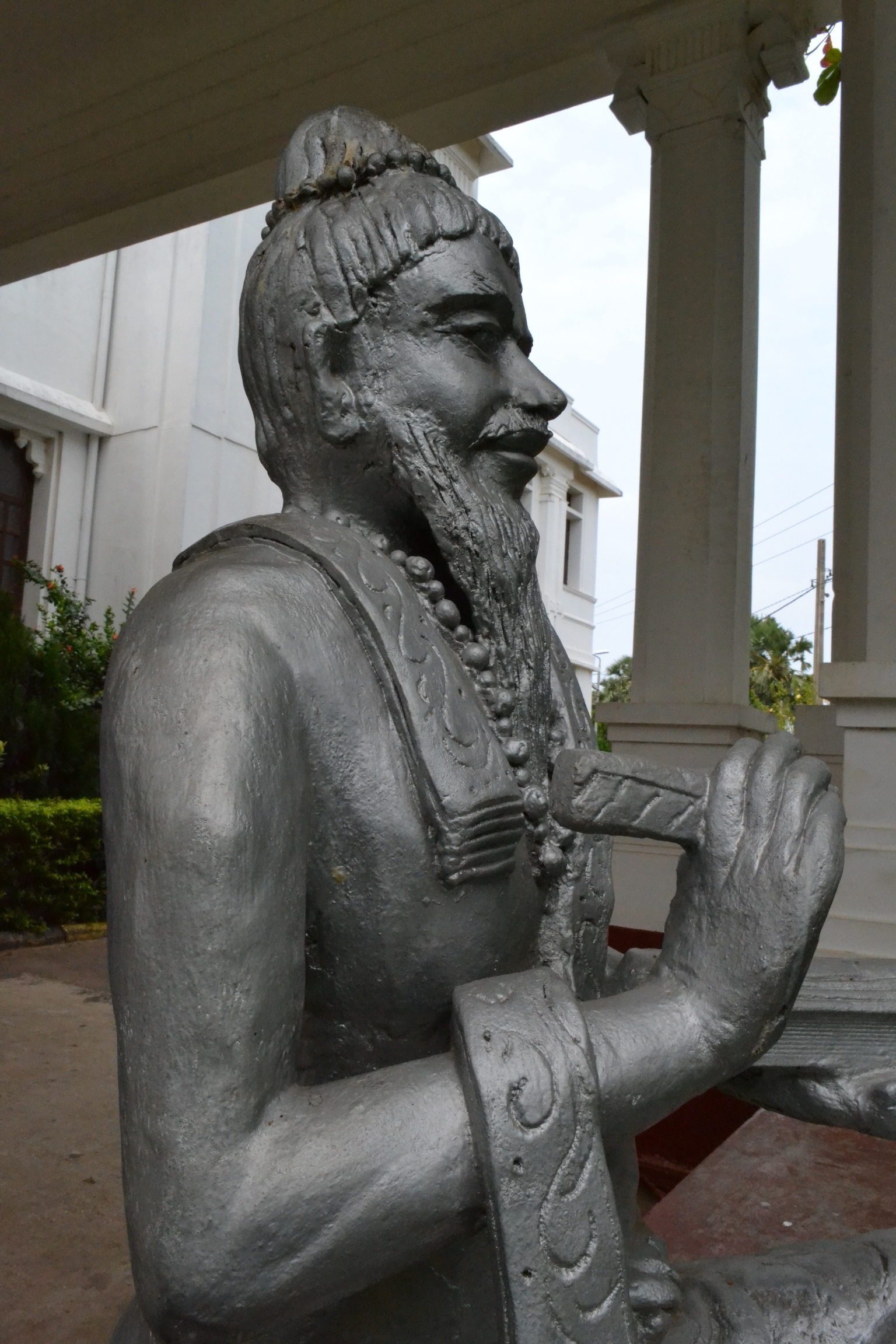 Learning is excellence of wealth that none destroy;
To man nought else affords reality of joy.
Thirukkural 400
Learning is excellence of wealth that none destroy;
To man nought else affords reality of joy.
Thirukkural 400
31 May 2017
Thirty-six years ago today, the Jaffna Public Library, a crown jewel
among Tamil cultural institutions and one of the largest libraries in
South Asia, burned at the hands of Sri Lankan security forces and
state-sponsored mobs.
As dravidian-inspired building burned for two nights from the 31st May
1981, the Tamil nation lost over 95,000 ancient Tamil palm leaves
(olai), manuscripts, parchments and irreplaceable books, magazines and
newspapers.
In 2010 the restored library, closed to the public for a medical
conference, was again vandalised by a group of Sinhalese tourists who
were denied entry.
The 1981 burning happened under the watch of a UNP government, during a
period of electioneering for District Development Council elections and
notably while two notoriously Sinhala chauvinist cabinet ministers -
Cyril Mathew and Gamini Dissanayake - were in Jaffna. Earlier on the
31st May, three Sinhalese police officers were killed during a rally by
the TULF (Tamil United Liberation Front).
In December 2016, an ‘apology’ for the burning, by current Sri Lankan
Prime Minister Ranil Wickremesinghe, was criticised - after initially
receiving praise as a step towards reconciliation; the offhand manner in
which it was delivered revealing a marked disregard for how deeply
Tamils on the island continue to mourn the burning.
Today, the iconic white domes once again gleam out against the Jaffna
skyline, determined to survive the onslaughts of Sinhala chauvinism, as
the Tamil nation has always been.
The library administration reported a rise in membership for the year
2016. Tourist buses, mostly containing Tamils from other districts and
the diaspora, still flock daily to the gates, to stand before the emblem
of the ancient Yaazh and reflect on the Tamil nation’s long and complex history.
The scholar and community leader, Reverend Father David reportedly died
from shock days after the incineration of his beloved institution. While
his statue in the library courtyard is surrounded now by the
spirit-soothing greens of local flora, his demise epitomises the loss
suffered by every member of the Tamil nation alive on that day, and each
generation born afterwards: the irrevocable loss of memories, of the
lives and deaths our predecessors, of the beauty they created as well as
of the destruction they may have wreaked.
Thirty-six years later, the Tamil nation remains scorched by the flames
that engulfed the Jaffna Public Library. Thirty-six years later the
Tamil nation still awaits justice, for this, and for the countless other
atrocities committed against it since.
Learning is excellence of wealth that none destroy;
To man nought else affords reality of joy.
Thirukkural 400
|
