Peace for the World World ! Your War Our Lives

The Dalai Lama
A Brief Colonial History Of Ceylon(SriLanka)
Sri Lanka: One Island Two Nations
A Brief Colonial History Of Ceylon(SriLanka)
Sri Lanka: One Island Two Nations
(Full Story)
Back to 500BC.

Wednesday, April 25, 2018
A village in danger of erasure
 Maysam, 14, proudly gives a tour of al-Walaja village. “I love to be outside,” she says.
 23 April 2018
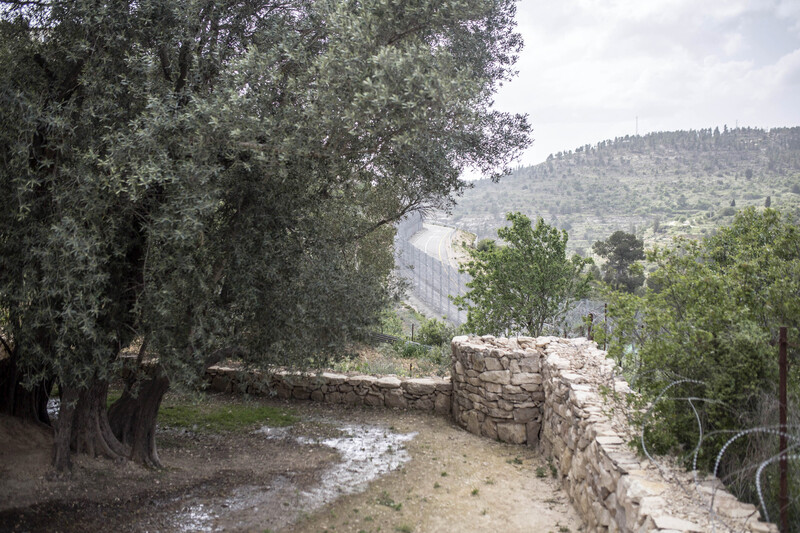
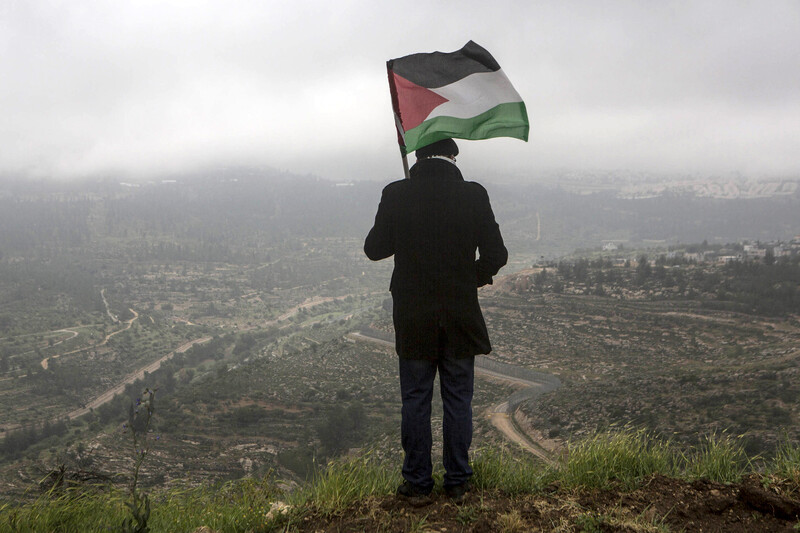
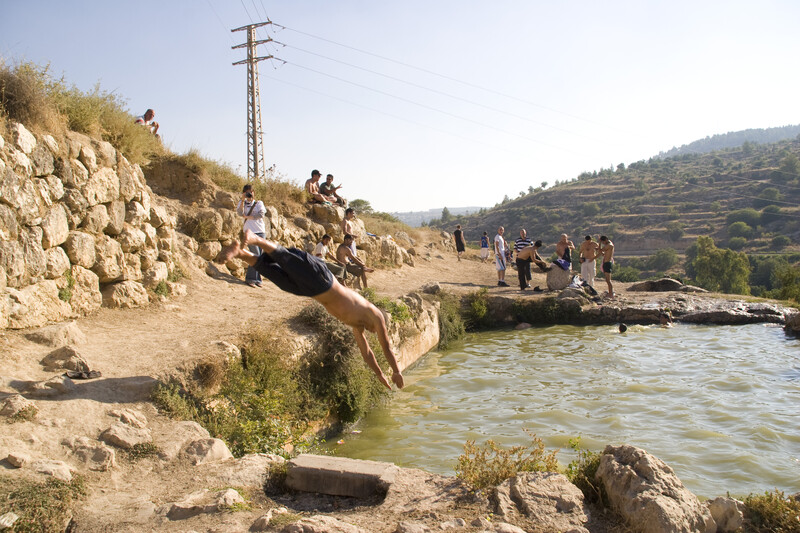
Te picturesque Palestinian village of al-Walaja, located between Jerusalem and Bethlehem in the occupied West Bank, is known for its verdant landscape, agricultural terraces and numerous springs.
But over the past seven decades, most of al-Walaja’s land has been taken away from its approximately 2,000 residents. Now, the United Nations warns, the future of the village is in grave danger.
Almost all of al-Walaja’s population are registered as refugees with UNRWA, the UN agency for Palestine refugees. The village was among the hundreds of Palestinian communities destroyed in the period before and after the declaration of the State of Israel in 1948.
During that period, some residents relocated to the West Bank, then controlled by Jordan, now under Israeli military occupation, where they built homes that became the current al-Walaja village.
Others left to Jordan, where they remained. Most of the land belonging to the old village became off limits to residents after 1948, as it fell on the Israeli side of the armistice demarcation known as the Green Line.
When Israel illegally annexed Jerusalem following its occupation of the West Bank in 1967, half of the land of the new village of al-Walaja was subsumed within Israel’s expanded Jerusalem municipal boundaries.
Al-Walaja’s residents were never informed of this, and with few exceptions were not issued Jerusalem ID cards, only West Bank IDs, according to UNRWA.
Palestinians who hold West Bank IDs are forbidden from entering Jerusalem without a permit from the Israeli military.
This means that for some of al-Walaja residents, their presence in their own homes is deemed illegal by Israel. It also prevents them from building “legally” without a rarely granted Israeli permit.
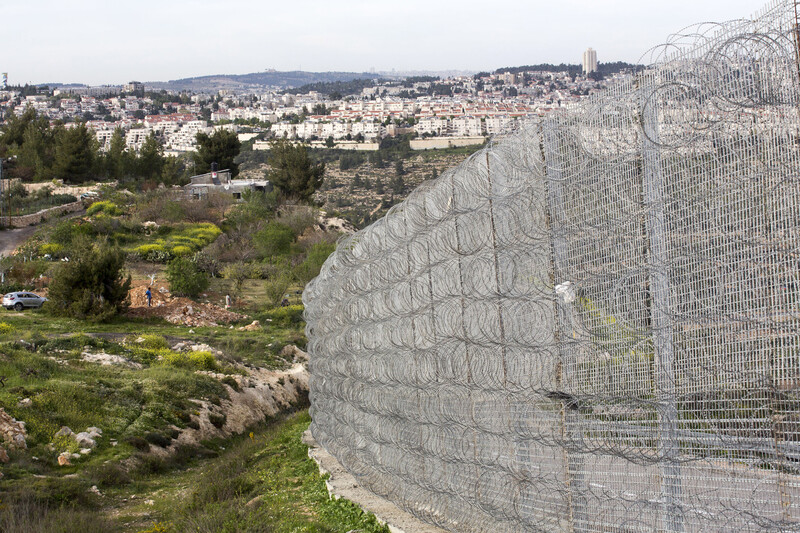
Israel continues to encroach on al-Walaja’s remaining land. The construction of Gilo and Har Gilo settlements, and Israel’s West Bank wall, currently underway, has left residents unable to access their land.
When completed, the wall will totally surround al-Walaja, and will likely force many residents to leave so that they can access their workplaces and services like healthcare and education outside the village.
Anne Paq is a French photographer and co-author of the award-winning web documentary Obliterated Families. She is a member of the Activestills photo collective.
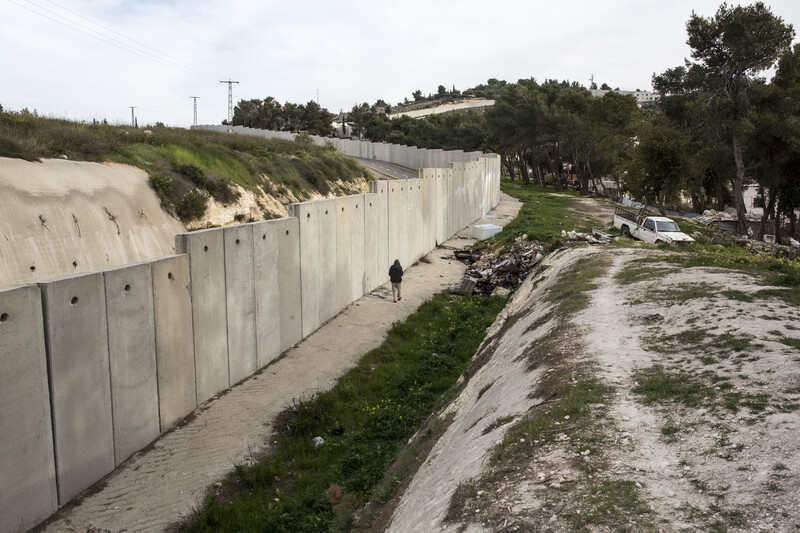
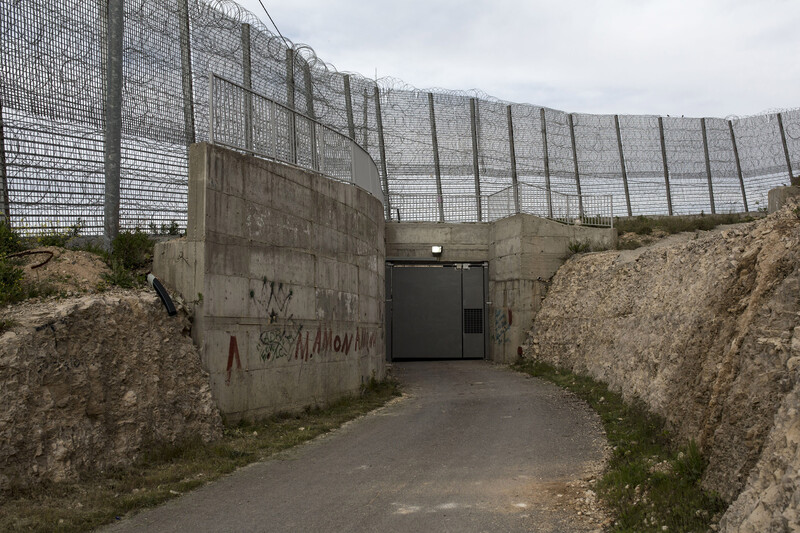
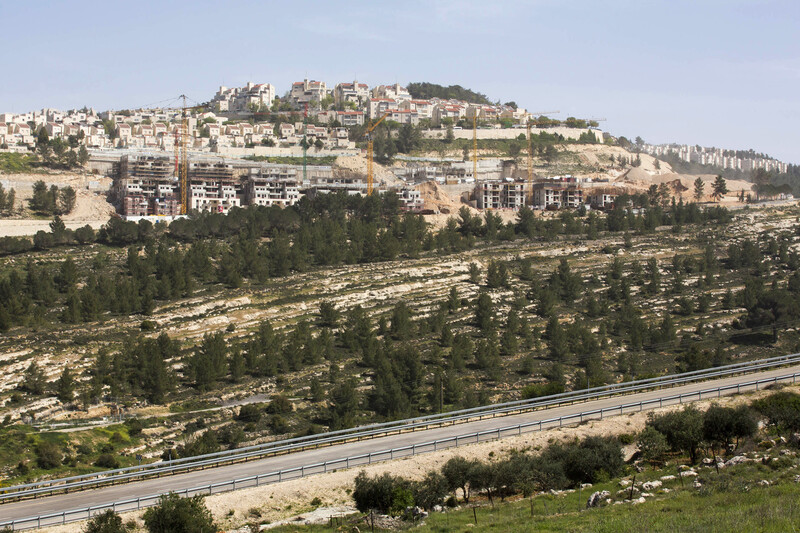
In the foreground is a new road built by Israel on al-Walaja land and used by the military as an access road along the route of the wall.
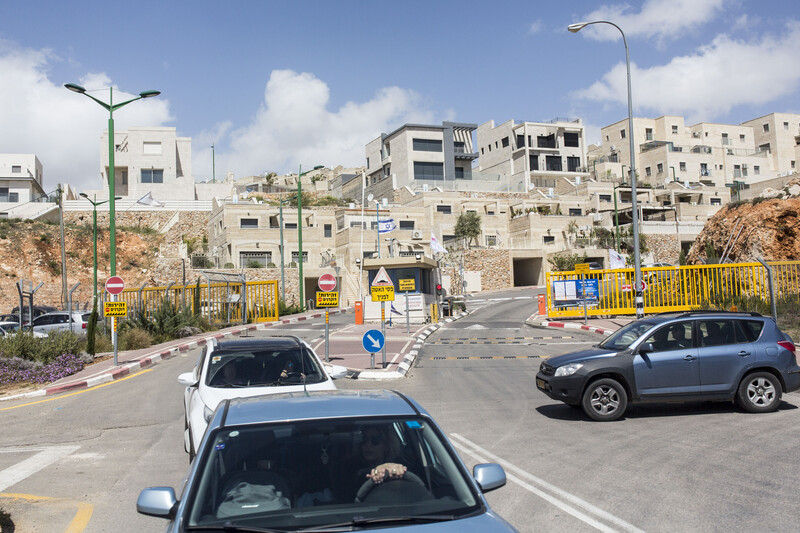
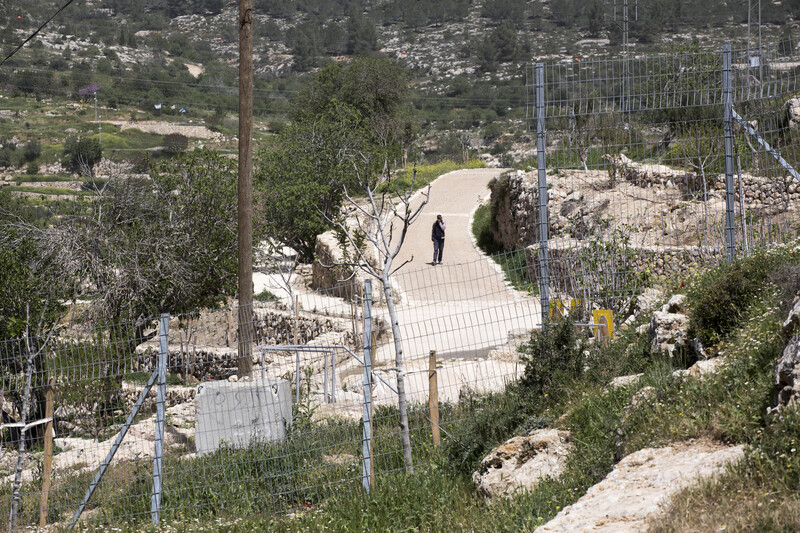
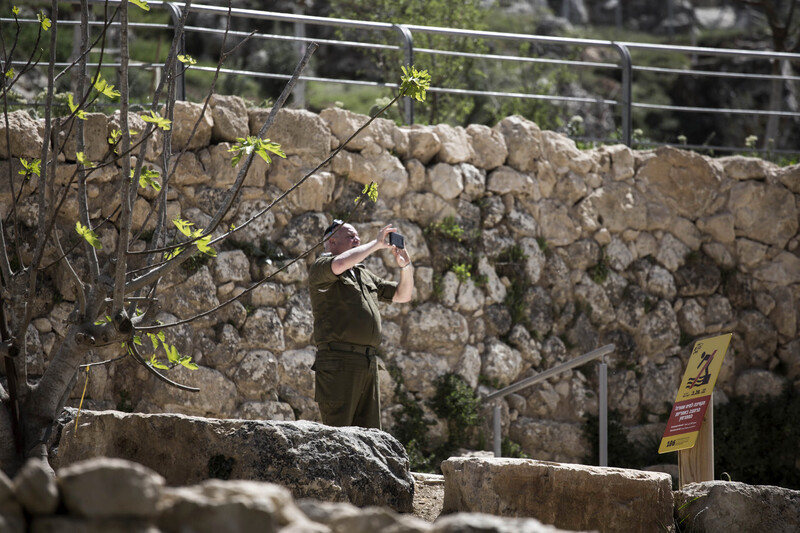
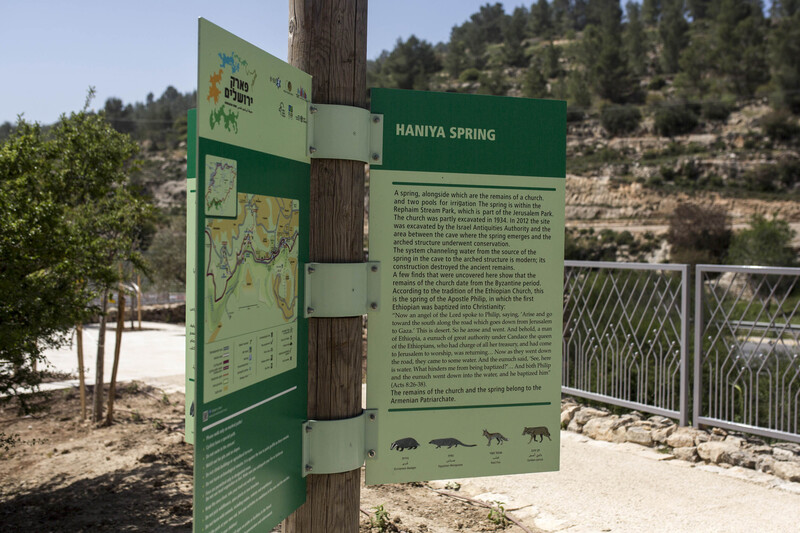
The spring is a feature of a new Jerusalem municipality park established in part on the lands of original al-Walaja. Because they hold West Bank IDs, village residents will need to apply to the Israeli military for permission to visit the park.
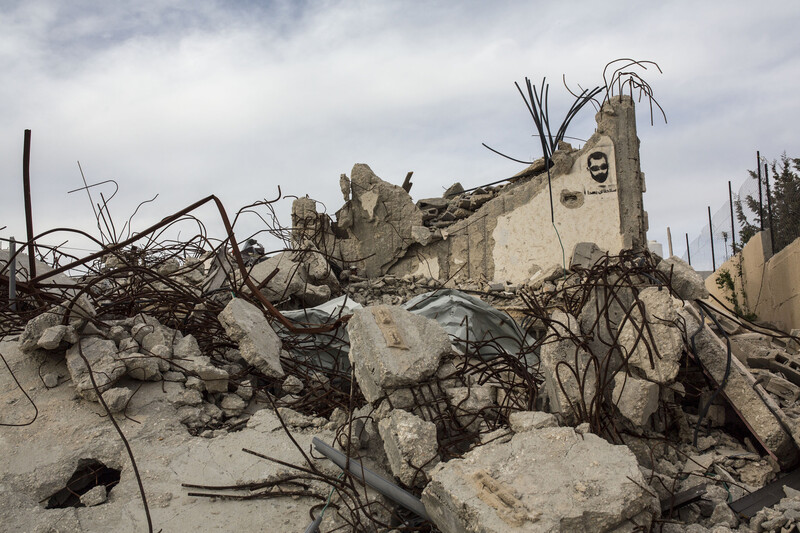
This photo shows the aftermath of one such demolition in 2017; graffiti on the ruins is an image of Bassel al-Araj, a prominent activist and writer from the village who was killed by Israeli forces last year.
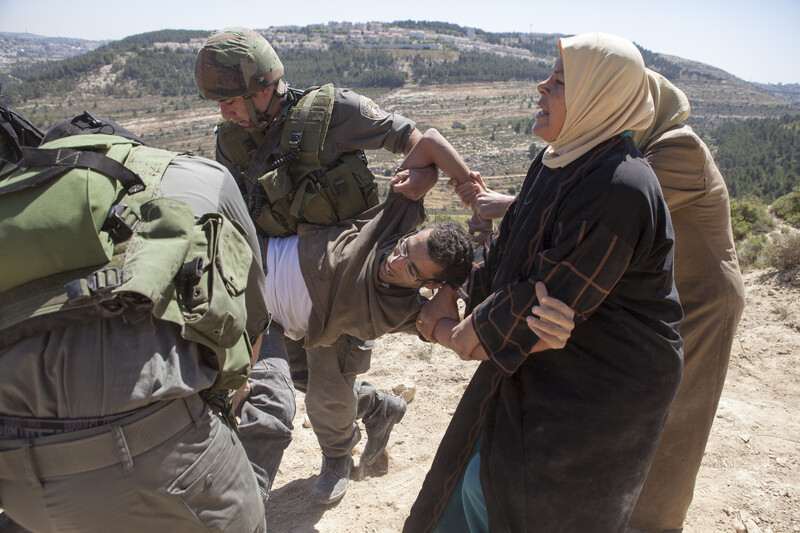
The most recent demolition, of a home still under construction, occurred on 29 March. Maysaa Abu Khaira told The Electronic Intifada that when her family received a phone call warning them that the Israeli army was coming, they and their neighbors stood in front of the bulldozer to try to prevent the demolition.
“My daughter, who is 15, was pushed by a female soldier and I pushed her back. She was very angry and shouted, ‘If you hadn’t seen Ahed Tamimi do it, you wouldn’t do that!’ They beat my husband and brother with their guns and used pepper spray and tear gas.”
The family had spent approximately $20,000 on the home that was demolished last month.
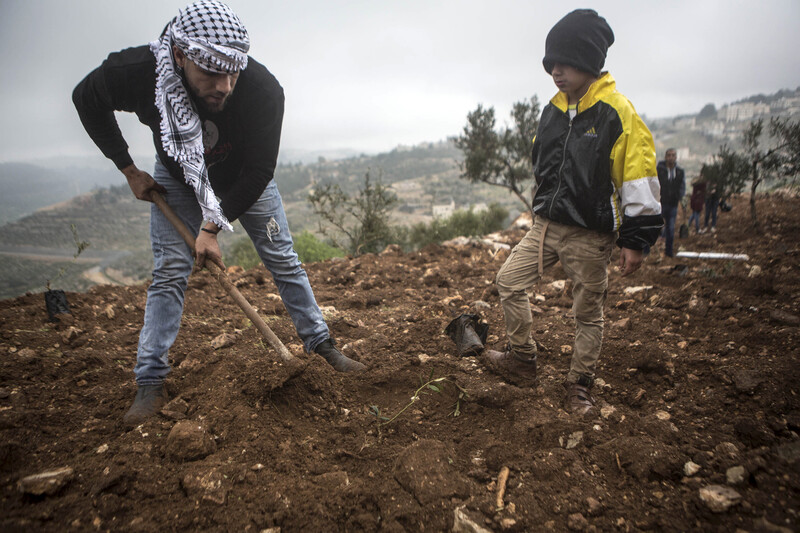
Israel has uprooted or damaged hundreds of almond, olive, fig, apricot and grape trees to make way for its wall that it is building on village land, according to UNRWA, “depriving families of an important source of food and income.”