Peace for the World World ! Your War Our Lives

The Dalai Lama
A Brief Colonial History Of Ceylon(SriLanka)
Sri Lanka: One Island Two Nations
A Brief Colonial History Of Ceylon(SriLanka)
Sri Lanka: One Island Two Nations
(Full Story)
Back to 500BC.

Friday, June 1, 2018
Health, environment and economy of North-East devastated by explosive weapons - AOAV
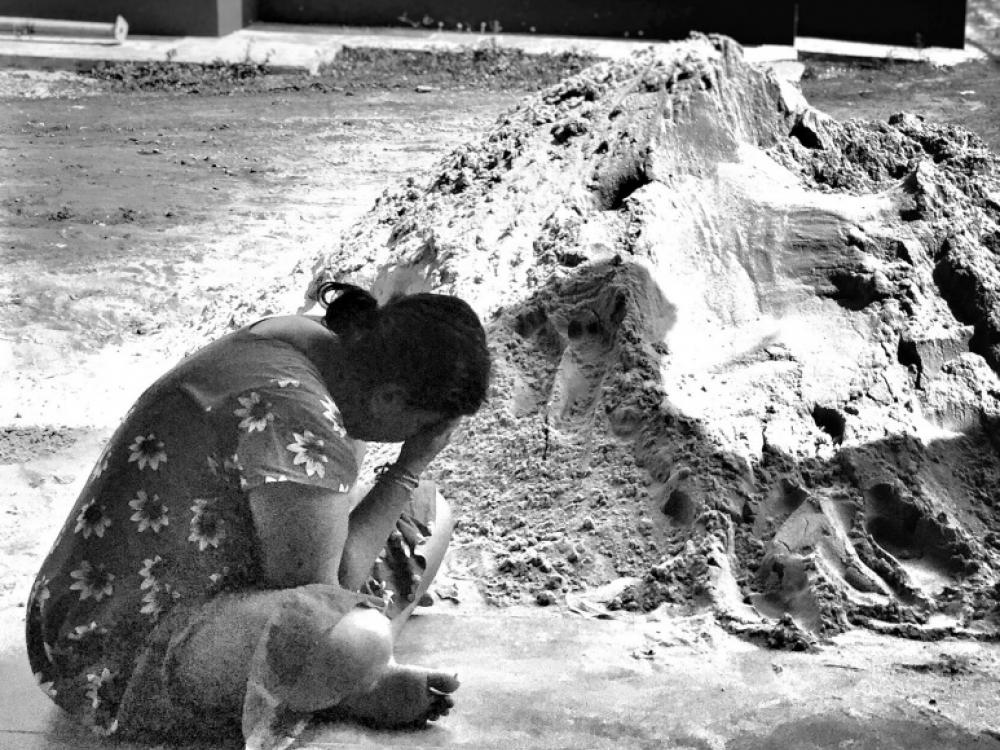

Photograph: AOAV
31May 2018
The health, economy and environment of the predominantly Tamil
North-East in Sri Lanka have all suffered from the use of explosive
weapons, said Action on Armed Violence (AOAV) in a report released this
week.
The report, entitled “When the Bombs Fall Silent: The Reverberating Effects of Explosive Weapons”, based on interviews conducted across the North-East, detailed the widespread and long lasting impact of explosive weapon use.
According to the report by the London based not-for-profit organisation,
health services have been severely affected by explosive weapons and
violence, with mental health illnesses such as Post Traumatic Stress
Disorder, particularly prevalent in the North East. The report said,
“In Jaffna, almost a decade after the end of hostilities, there are just two psychiatrists in a population of about 600,000– people deeply impacted by the war.
“It is estimated that about 30% of those coming to outpatients’
departments in the Northern Province were displaying symptoms of
depression. After the war this rose to about 48%.”
The violence is thought to have had an impact on the number of suicides
that take place in the Tamil areas, with a representative from the HALO
organization in Kilinochchi, estimating that there were as many as 30 women a month committing suicide.
Children in particular were vulnerable, said the report noting that,
“Two out of every five children in the war-torn North and East are today thought to have mental health disorders.”
The report repeatedly mentions the various psychological impacts on the
population in the North East, especially as the social and economic
consequences of explosive violence are closely connected with the
exacerbation of individuals’ mental health.
Physical health too had suffered, the report noted, stating that,
“According to data from the government-run Mine Action Center, since 2010, there have been 285 casualties from mines and other ERW – though many casualties may go unrecorded in rural areas”.
AOAV also highlighted the ongoing effect of the destruction of civilian
infrastructure and economic development. “In Sri Lanka’s most impacted
areas, for example, over 74% live below the international poverty line,” it stated. “Youth unemployment in key northern towns stands at 60%.”
The report also detailed concerns around ongoing militarization and acquisitions of Tamil land. It stated,
“The ongoing stationing of the
Sri Lankan national army throughout the impacted areas – an action
frequently justified and deemed necessary as a bulwark against future
instability – continues to cause local tension. Land protesters
in Keppapilavu, who remain displaced from their land, told AOAV that
many had turned desperately to loans after their livelihoods had been
disrupted. Such loans, which many said they had no way of repaying, had stimulated a number of suicide attempts.”
Continued Sinhala-Buddhist nationalism has also been detrimental, it noted.
“In Sri Lanka, the Sinhala-Buddhist nationalism was reinvigorated by
their victory and significant efforts were made to stamp this
nationalism onto the Tamil majority impacted areas. These efforts sought
to wipe away much of Tamil and LTTE culture and replace it with
Sinhala-Buddhism. Archaeologists and monks even scoured the North and
East to establish the antiquity of Sinhala Buddhism in the region. In
any case, this served to remind Tamils of their loss and the violence faced, as well as lengthen the recovery process. The
Sinhalese nationalism is also linked to further discrimination against
Tamils and Muslims in particular, with attacks on Muslim communities
occurring as recently as March 2018.”
Furthermore, the continued militarization of the North-East has prevented “healing” from taking place, it added.
“The impact of the war is very evident in the North and East of Sri
Lanka, with destroyed houses still lining roads in many locations. Many
of the most impacted stretches in the north, such as the A9, still
heavily contaminated and marked by destruction, remain all but deserted. AOAV were told that these sites are seen by Tamils as ‘symbols of occupation’, preventing local Tamils from healing.”
Read the full report here.
Reverberating-effects-v4.pdf by Thavam on Scribd
Photograph: AOAV
31May 2018
The health, economy and environment of the predominantly Tamil
North-East in Sri Lanka have all suffered from the use of explosive
weapons, said Action on Armed Violence (AOAV) in a report released this
week.
The report, entitled “When the Bombs Fall Silent: The Reverberating Effects of Explosive Weapons”, based on interviews conducted across the North-East, detailed the widespread and long lasting impact of explosive weapon use.
According to the report by the London based not-for-profit organisation,
health services have been severely affected by explosive weapons and
violence, with mental health illnesses such as Post Traumatic Stress
Disorder, particularly prevalent in the North East. The report said,
“In Jaffna, almost a decade after the end of hostilities, there are just two psychiatrists in a population of about 600,000– people deeply impacted by the war.“It is estimated that about 30% of those coming to outpatients’ departments in the Northern Province were displaying symptoms of depression. After the war this rose to about 48%.”
The violence is thought to have had an impact on the number of suicides
that take place in the Tamil areas, with a representative from the HALO
organization in Kilinochchi, estimating that there were as many as 30 women a month committing suicide.
Children in particular were vulnerable, said the report noting that,
“Two out of every five children in the war-torn North and East are today thought to have mental health disorders.”
The report repeatedly mentions the various psychological impacts on the
population in the North East, especially as the social and economic
consequences of explosive violence are closely connected with the
exacerbation of individuals’ mental health.
Physical health too had suffered, the report noted, stating that,
“According to data from the government-run Mine Action Center, since 2010, there have been 285 casualties from mines and other ERW – though many casualties may go unrecorded in rural areas”.
AOAV also highlighted the ongoing effect of the destruction of civilian
infrastructure and economic development. “In Sri Lanka’s most impacted
areas, for example, over 74% live below the international poverty line,” it stated. “Youth unemployment in key northern towns stands at 60%.”
The report also detailed concerns around ongoing militarization and acquisitions of Tamil land. It stated,
“The ongoing stationing of the Sri Lankan national army throughout the impacted areas – an action frequently justified and deemed necessary as a bulwark against future instability – continues to cause local tension. Land protesters in Keppapilavu, who remain displaced from their land, told AOAV that many had turned desperately to loans after their livelihoods had been disrupted. Such loans, which many said they had no way of repaying, had stimulated a number of suicide attempts.”
Continued Sinhala-Buddhist nationalism has also been detrimental, it noted.
“In Sri Lanka, the Sinhala-Buddhist nationalism was reinvigorated by their victory and significant efforts were made to stamp this nationalism onto the Tamil majority impacted areas. These efforts sought to wipe away much of Tamil and LTTE culture and replace it with Sinhala-Buddhism. Archaeologists and monks even scoured the North and East to establish the antiquity of Sinhala Buddhism in the region. In any case, this served to remind Tamils of their loss and the violence faced, as well as lengthen the recovery process. The Sinhalese nationalism is also linked to further discrimination against Tamils and Muslims in particular, with attacks on Muslim communities occurring as recently as March 2018.”
Furthermore, the continued militarization of the North-East has prevented “healing” from taking place, it added.
“The impact of the war is very evident in the North and East of Sri Lanka, with destroyed houses still lining roads in many locations. Many of the most impacted stretches in the north, such as the A9, still heavily contaminated and marked by destruction, remain all but deserted. AOAV were told that these sites are seen by Tamils as ‘symbols of occupation’, preventing local Tamils from healing.”
Read the full report here.
Reverberating-effects-v4.pdf by Thavam on Scribd
