Peace for the World World ! Your War Our Lives

The Dalai Lama
A Brief Colonial History Of Ceylon(SriLanka)
Sri Lanka: One Island Two Nations
A Brief Colonial History Of Ceylon(SriLanka)
Sri Lanka: One Island Two Nations
(Full Story)
Back to 500BC.

Sunday, April 21, 2019
Update On Advancing Peacebuilding & Transitional Justice In Sri Lanka

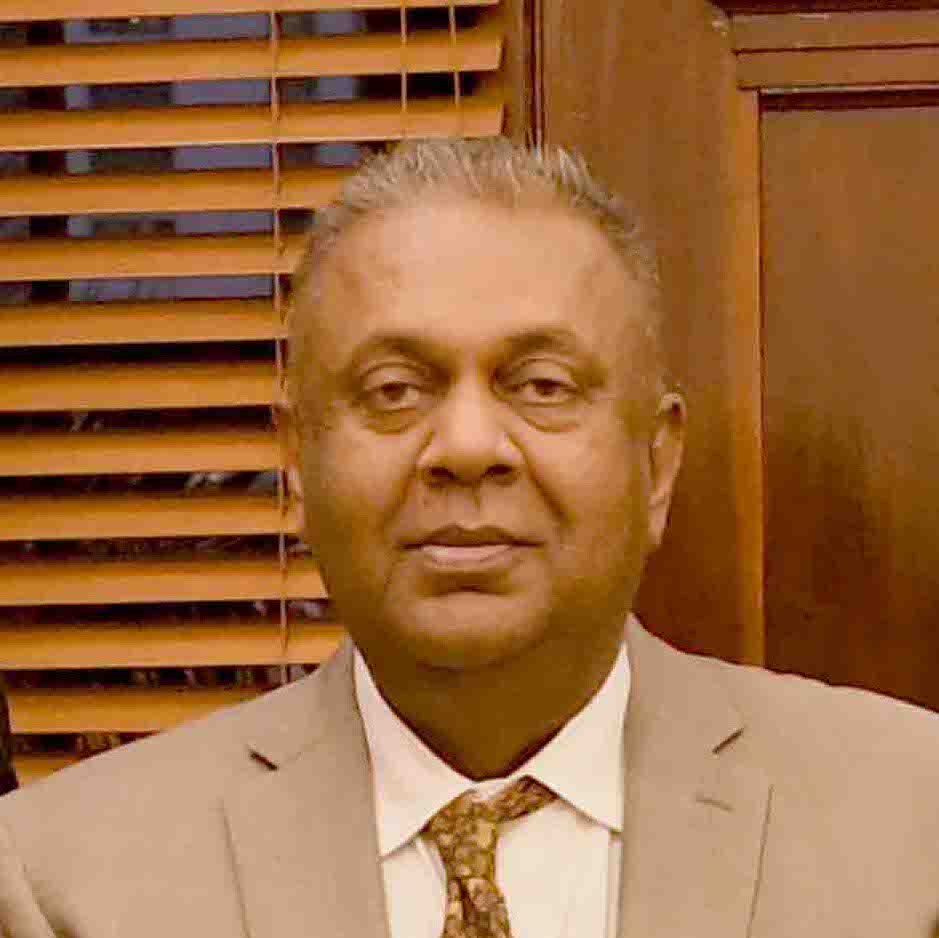
Mangala Samaraweera
 “Development begins with Reconciliation and that Reconciliation is essential for Sri Lanka to realize its vision of a stable, peaceful, reconciled and prosperous nation, for everyone.”
Remarks
by Mangala Samaraweera, MP, Minister of Finance of Sri Lanka –
Ambassadorial-Level Meeting of the Peacebuilding Commission: Update on
Advancing Peacebuilding and Transitional Justice in Sri Lanka, New York,
17 April 2019:
His Excellency Ambassador Ion Jinga, Vice Chair of the Peacebuilding Commission,
Assistant Secretary General for Peacebuilding Support, Mr. Oscar Fernandez-Taranco,
UN Resident Coordinator, Ms. Hanaa Singer,
Excellencies,
Officials,
Ladies and Gentlemen,
Good morning to all of you.
It is an honour for me to be here to share with you, Sri Lanka’s
experience in Peacebuilding. I am joined by the Secretary-General of the
Secretariat for Coordinating Reconciliation Mechanisms Mr. Mano
Tittawella, the Chairperson of the Office on Missing Persons Mr. Saliya
Pieris, and the Secretary-General and CEO of the Ceylon Chamber of
Commerce, Ms. Dhara Wijayatilake who has just been appointed by the
President, on the recommendation of the Constitutional Council, as Chair
of the Office for Reparations.
I agree wholeheartedly with the Secretary-General’s words that,
Efforts
to build and sustain peace are necessary not only once conflict has
broken out, but long beforehand through preventing conflict and
addressing its root causes. And that we must all work better together
across the peace continuum, focusing on all the dimensions of conflict.
Therefore, I want to first thank all of you for the work that you do
through the Peacebuilding Commission, the Peabuilding Fund, and the
Peacebuilding Support Office, in connection with situations across the
world.
Ladies and Gentlemen,
As all of you are probably aware, almost 30 years of conflict in Sri Lanka ended in May 2009.
Yet, for almost 6 years since the end of the conflict, we did not
succeed in addressing fundamental issues related to good governance,
rule of law, human rights and dealing with the past, that are necessary
for sustaining peace and securing economic development that are required
for our nation’s long-term progress and prosperity.
However, following the mandates given by the people at the Presidential
and Parliamentary Elections in January and August 2015, we were able to
hit the re-set button to re-gain and re-launch Sri Lanka on a new trajectory to,
reach out to the international community;
restore and renew valuable relationships and partnerships with the international community including the United Nations; and
work
towards restoring trust and confidence both locally and
internationally, including with persons of Sri Lankan origin overseas.
The peacebuilding journey that we embarked upon in January 2015 to
ensure non-recurrence of conflict was based on the pillars of –
strengthening democracy and good governance;
reconciliation; and
inclusive and equitable growth and development in the country.
Secretary-General Ban Ki-moon, the present Secretary-General Mr. Antonio
Guterres, their respective teams at headquarters and the Country Team
in Sri Lanka have all been extremely supportive of Sri Lanka’s journey
since January 2015, from the moment we reached out to the UN.
I recall coming to New York as Foreign Minister, to meet
Secretary-General Ban Ki-moon, on 13 February 2015, just a month
following the January 8th Presidential
Election. At this meeting, I explained the path that the National Unity
Government that we had formed was taking on ushering in sustainable
peace and reconciliation in the country, and sought the UN’s assistance
through the Peacebuilding Fund. The funding we received from the
Immediate Response Facility and longer-term funding have been invaluable
to us in a multitude of areas, including resettlement of the internally
displaced, holding country-wide consultations on reconciliation
mechanisms, and obtaining the correct technical expertise and advice at
the right time, in a timely manner which the constraints of Government
procedures do not often permit.
Read More
