Peace for the World World ! Your War Our Lives

The Dalai Lama
A Brief Colonial History Of Ceylon(SriLanka)
Sri Lanka: One Island Two Nations
A Brief Colonial History Of Ceylon(SriLanka)
Sri Lanka: One Island Two Nations
(Full Story)
Back to 500BC.

Saturday, May 18, 2019
10 years today - A massacre in Mullivaikkal
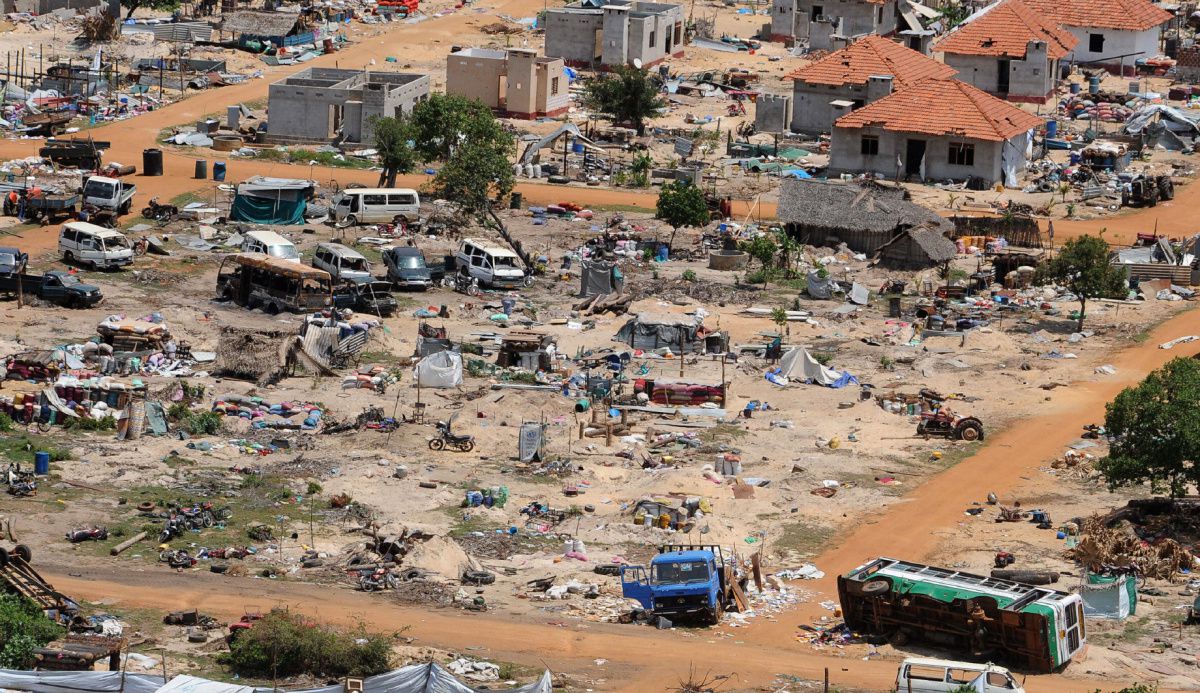

Photograph: A scene of devastation in Mullivaikkal pictured days after the Sri Lankan military had overrun the area.
18 May 2019
Marking 10 years since the Sri
Lankan military onslaught that massacred tens of thousands of Tamils, we
revisit the final days leading up to the 18th of
May 2009 – a date remembered around the world as ‘Tamil Genocide Day’.
The total number of Tamil civilians killed during the final months is
widely contested. After providing an initial death toll of 40,000, the
UN found evidence suggesting that 70,000 were killed. Local census
records indicate that at least 146,679 people are unaccounted for and
presumed to have been killed during the Sri Lankan military offensive.
18th May 2009
A massacre in Mullivaikkal
The Sri Lankan military overruns the last remaining ‘No Fire Zone’.
TamilNet receives a final phone call before it loses all communication with its correspondents in the field.
A US State Department report says there are “accounts from witnesses in the NFZ of SLA soldiers throwing grenades into several civilian bunkers”.
“Some civilians also reported seeing an army truck running over injured people lying on the road. Later in the day, the SLA brought in earth-moving equipment to bury the bodies that had been lying outside for two days or more. Civilians reported seeing among the corpses injured people who were asking for help, and believed that the SLA did not always attempt to separate the injured and the dying from those who had died.”
The OISL says,
“Multiple witnesses described scenes of devastation, with hundreds of bodies of people killed by shelling scattered across areas within the NFZs. Entire families had been killed as bombs landed in bunkers they were sheltering in. Witnesses talked of having to leave dead family members behind as they were further displaced by the shelling. Many witnesses were profoundly traumatized by their experiences and memories of the shelling and the devastation they witnessed.”
A Sri Lankan soldier described to Channel 4 the grotesque humanitarian
violations committed during the final days of the conflict. See a clip
of his testimony below.
The UN Panel of Experts report says,
“The dead were strewn everywhere; the wounded lay along the roadsides, begging for help from those still able to walk, but often not receiving it. Some had to be torn away from the bodies of their loved ones left behind. The smell of the dead and dying was overwhelming.”
Executing the surrendered
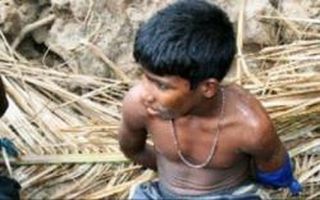
Hundreds of other LTTE cadres, their families and other Tamils civilians
who surrendered to the Sri Lankan military were executed. Others have
been forcibly disappeared.
Last year the ITJP released the
names of at least 293 people who were seen surrendering to the Sri
Lankan military and have seen been disappeared. Among those is Father
Joseph, who was last seen boarding a Sri Lankan military bus with
several LTTE cadres whose surrender he had facilitated.
The OISL states,
“There are also reasonable grounds to believe that a number of LTTE cadres, such as those belonging to the political wing, and other individuals not or no longer taking direct part in hostilities, including children, were also extrajudicially executed.“Based on this forensic analysis of photographic as well as video material, witness testimonies and open sources, OISL concludes that there are reasonable grounds to believe that LTTE senior political wing leaders Balasingham Nadesan and Seevaratnam Puleedevan as well as Nadesan’s wife Vineetha Nadesan may have been executed by the security forces sometime after 06:00 on 18 May.”
See more from the ITJP on this particular case – dubbed the White Flag incident - here.
Amongst the other emblematic cases are those of LTTE leader Colonel
Ramesh who was filmed in Sri Lankan custody, being interrogated by
soldiers. Later photographs show he was shot dead. Balachandran
Prabhakaran, the 12-year-old son of the LTTE leader Veluppillai
Prabhakaran, was also photographed in military custody and then shot
dead, as well as Tamil TV presenter Isaipriya.
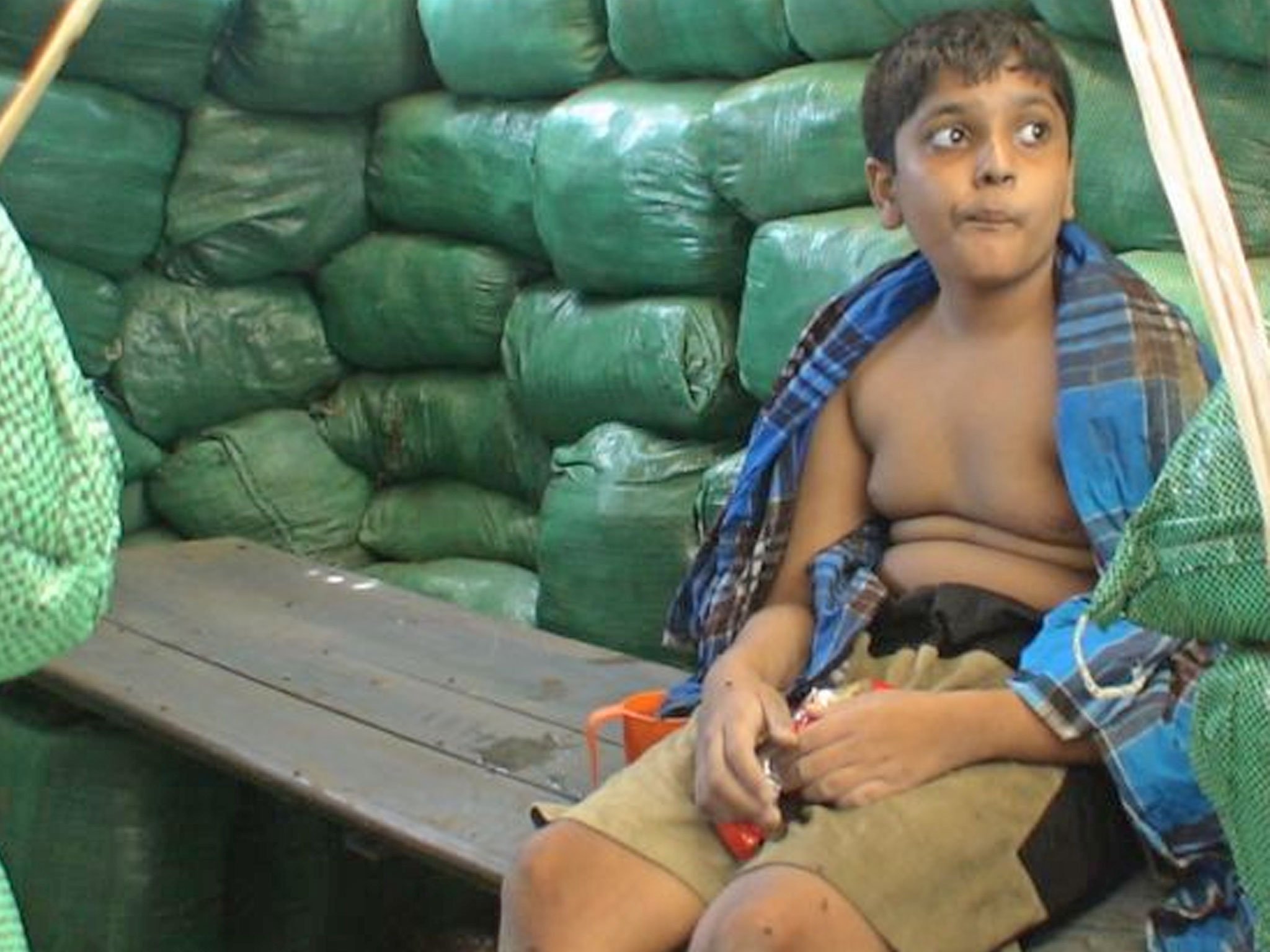
Photograph:
Balachandran Prabhakaran pictured in Sri Lankan military custody. Later
photographs show him dead, with several bullet wounds in his chest.
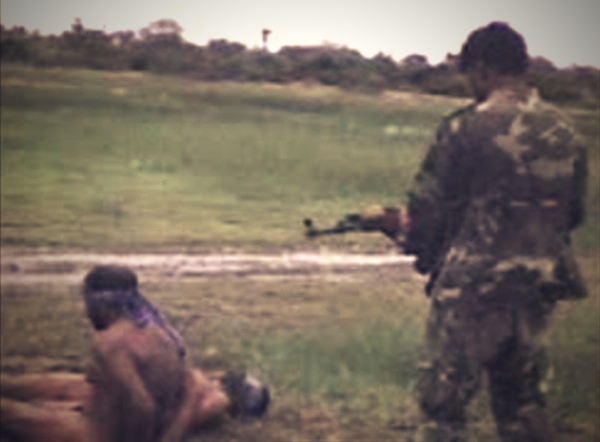
Several videos have since emerged, captured by Sri Lankan soldiers on
their mobile phones, as they execute naked and tied up Tamils. Some
laugh as they shoot the blindfolded Tamils in the head.
Rape and sexual violence
The UN Panel of Experts found,
“Rape and sexual violence against Tamil women during the final stages of the armed conflict and, in its aftermath, are greatly under-reported… Nonetheless, there are many indirect accounts reported by women of sexual violence and rape by members of Government forces and their Tamil-surrogate forces, during and in the aftermath of the final phases of the armed conflict."“Many photos and video footage, in particular the footage provided by Channel 4, depict dead female cadre. In these, women are repeatedly shown naked or with underwear withdrawn to expose breasts and genitalia. The Channel 4 images, with accompanying commentary in Sinhala by SLA soldiers, raise a strong inference that rape or sexual violence may have occurred, either prior to or after execution.”
The OISL concluded,
“One of the most disturbing findings of the OISL investigation has been the extent to which sexual violence was committed, often extremely brutally, by the Sri Lanka security forces, with men as likely to be victims as women. The prevalence of rape, often on repeated occasions, was particularly shocking. OISL did not find any information to suggest that the LTTE was responsible for sexual violence, and different sources indicated that anyone found responsible for sexual abuse or violence risked harsh punishment by the LTTE.”“Several witnesses spoke of women being taken away “towards the jungle” by soldiers, allegedly for sexual abuse, as they crossed over into Government-controlled territory. Some said that they then heard screaming. One witness, for example, described a female cadre being taken behind a sentry post by two soldiers, and was visibly distraught and crying when brought back some 20 minutes later. In another case, the source recounted seeing soldiers dragging young women into the bushes and hearing screams. He said that he could also hear gunshots coming from the area. Another witness stated that she heard four or five “voices of girls screaming in the bushes” and calling to be saved as she approached a sentry point.”
Read More
