Peace for the World World ! Your War Our Lives

The Dalai Lama
A Brief Colonial History Of Ceylon(SriLanka)
Sri Lanka: One Island Two Nations
A Brief Colonial History Of Ceylon(SriLanka)
Sri Lanka: One Island Two Nations
(Full Story)
Back to 500BC.

Monday, May 20, 2019
Memorialisation on May 18th: From Politicisation to Peoplisation
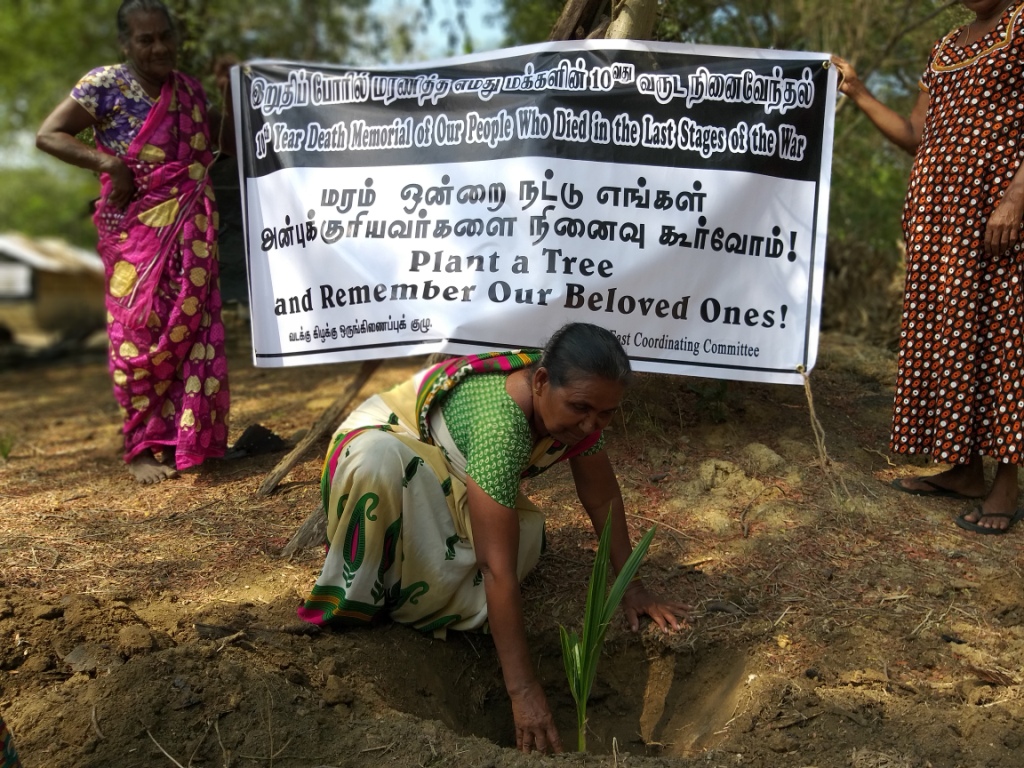

At the last stages of the war thousands of civilians who lived in the
Vanni Region of Northern Sri-Lanka were killed, injured and disappeared.
Surrenders of war and persons among detainees were gone disappeared.
When war intensified in late 2008, people of Vanni region started to
move towards Mullaitivu district from other parts of Vanni. Daily they
moved place to place to protect themselves from shelling and bombings,
and finally they all came to bare lands where they found the darkness of
the night is the only shadow that covers their heads. They loved the
night as they could get some relief from the burning. Mothers kept the
children under trees and damaged and unmoved abandoned vehicles to
protect them from hot sun. Final few months the sufferings intensified.
They only got kanji (rice porridge) to help them survive. Then
the kanji become salt-less and more watery. When kanji distribution was
announced, children run with utensils to get it for their families.
There were incidents where children who had gone to collect kanji were
caught in aerial bombings and shelling.
In the final stages of the war, people could not bury the bodies of
their dead family members. They left the bodies on the way and moved on.
Young children missed from the hands of the mothers. There were
incidents where people stepped on the bodies of the dead and ran to
protect their lives. On 18th May 2009, the war ended.
Memorialising the people who died in the war and the grievances that
they suffered is a right of the people. But the ‘Mullivaikal Memorial’
is dominated by politically influenced persons and designed according to
their agendas. The survivors of war and ordinary people of Tamil
community are not included as equal partners in the memorialisation
process. Memorialisation should be people-oriented and a collective
event observing the particular communities’ own traditions.
In order to transform the memorialisation from politicisation to
peoplisation, North East Coordinating Committee (NECC) called survivors
of war and the general public, and mobilised them to collectively
commemorate the 10th year
war memorial from their own places. The leaflets which were widely
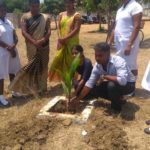
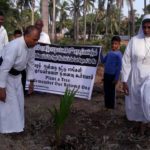
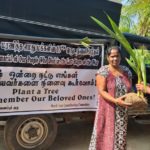
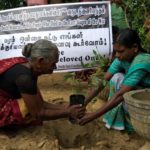
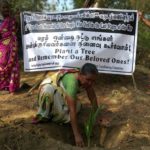
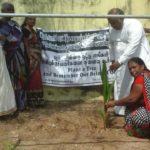
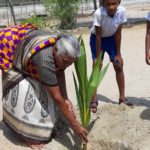
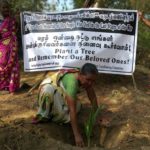
distributed in North and East areas by NECC asked the public to ‘Plant a Tree and Remember Our Beloved ones’ to create permanent identities and also to ‘Eat Salt-less Porridge’ to collectively share the pain, sufferings and losses of the people.
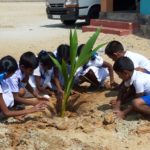
A total number of 5000 coconut seedlings, 125 shade tree plants, and
palmyra seeds were planted in remote villages of all eight districts of
North and East including schools, hospitals, worship places and public
places. Along with war affected social groups – families who lost their
beloved ones in war, family members of disappeared persons, war-injured
persons, war widows, war orphans – grass root civil organizations,
women’s societies, fisher and farmer federations, students, men, women
and children were keenly involved in the events.
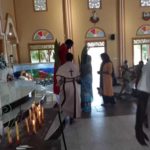
Special memorial services and poojas were organized in churches and in
Hindu temples by war affected people. Villagers and neighbours joined
with them. In Eachalavakkai village of Maanthai East of Mannar, a mother
who lost her four children in war, treated the coconut seedling as a
child and planted it at the village temple location on behalf of her
children and other 26 people of her area who died in war. She adored the
planted plant with flowers with a sense of respect.
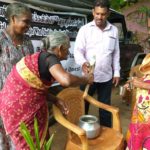
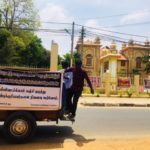
It was observed that people of different generations participated in the
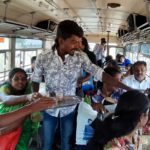
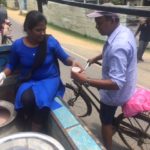
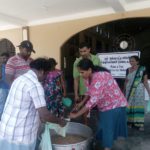
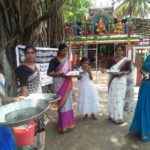
collective commemoration. While elderly mothers cook “Kanji” at homes
and collectively have it within the community, youth travelled by
lorries and land masters with Kanji pots and served it in the streets
and in public places. A 19-year old boy said, ’10 years ago, during the
war, as a 9-year old child he used to stay in “Kanji” queues and there
were times that he arrived with empty jug as Kanji finished before he
reaches the server. A middle-aged man in Jaffna said, he could not
forget the Kanji, as after having it his family members were killed in
shelling. People shared their experiences in the streets while having
Kanji. Some people took the Kanji in grocery bags for family members and
neighbours.
It was observed, this sort of people-oriented memorialisation makes the
people to take the ownership of memorialisation and develop solidarity
among them and enables the people to widely engage in the
memorialisation. A rough calculation reveals more than 25,000 people of
North and East were involved in people-oriented memorialisation in 2019.
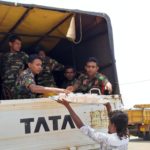
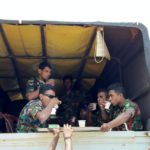
In two locations, the Sri Lanka Army also had Kanji served in streets
even though they knew it was for memorialisation. This attitude of army
was welcomed by the people.
