Peace for the World World ! Your War Our Lives

The Dalai Lama
A Brief Colonial History Of Ceylon(SriLanka)
Sri Lanka: One Island Two Nations
A Brief Colonial History Of Ceylon(SriLanka)
Sri Lanka: One Island Two Nations
(Full Story)
Back to 500BC.

Friday, June 7, 2019
Why we need to stand up for Earth defenders this World Environment Day


4 June 2019, 17:30 UTC
June 5 marks World Environment Day. Created by the United Nations to
raise awareness of issues from air pollution to global warming, the day
has grown to become one of the biggest platforms for advocating for
all-important environmental causes.
While globally activism on the climate crisis have rightfully gained
momentum, one of the still relatively over-looked facts is that people
who are on the frontlines of these struggles –environmental human rights
defenders—face the gravest risks to protect their homes and
communities.
Who are environmental human rights defenders?
Environmental human rights defenders are people who speak up to protect
rights associated to the environment, land and territory. They are often
community leaders or advocates who seek to protect the rights and the
well-being of their communities, especially by looking after their
homes, air, water, land, territory and forests from destruction or
contamination. Many of them are Indigenous People. While their stories
are often told in local contexts, about how they are campaigning to
protect their families and loved ones, their work concerns us all
because it carries huge global significance. Take for example the Amazon
rainforest, the lungs of the Earth, which for hundreds of years have
been safeguarded by Indigenous Peoples and who are on the frontline of
the battle to save it from deforestation.
Yet being an environmental human rights defender has deadly
consequences, making it among the deadliest types of activism. According
to the NGO Global Witness, in 2017, the latest year for which it has
data, almost four environmental defenders were killed each week for
protecting their land, wildlife and natural resources. In 2017, 207
environmental activists were killed. The vast majority of them hailed
from South America, making it the most dangerous region in the world.
Global Witness reports
that the failure of many governments and businesses to act responsibly,
ethically and even legally was a major driving force behind a litany of
crimes against activists.
Activists are at risk because powerful forces think they can get away
with attacking, killing and criminalizing local protestors, believing
the rest of the world will not pay any heed. That is why it is more
urgent than ever that we show global solidarity and stand up for the
environmental human rights defenders who are risking everything to
protect people and the planet.
Today we highlight the stories of seven incredible environmental
activists from the Americas who remind us of why we need to stand up for
Earth’s defenders.
BERTA CÁCERES, COPINH (HONDURAS)
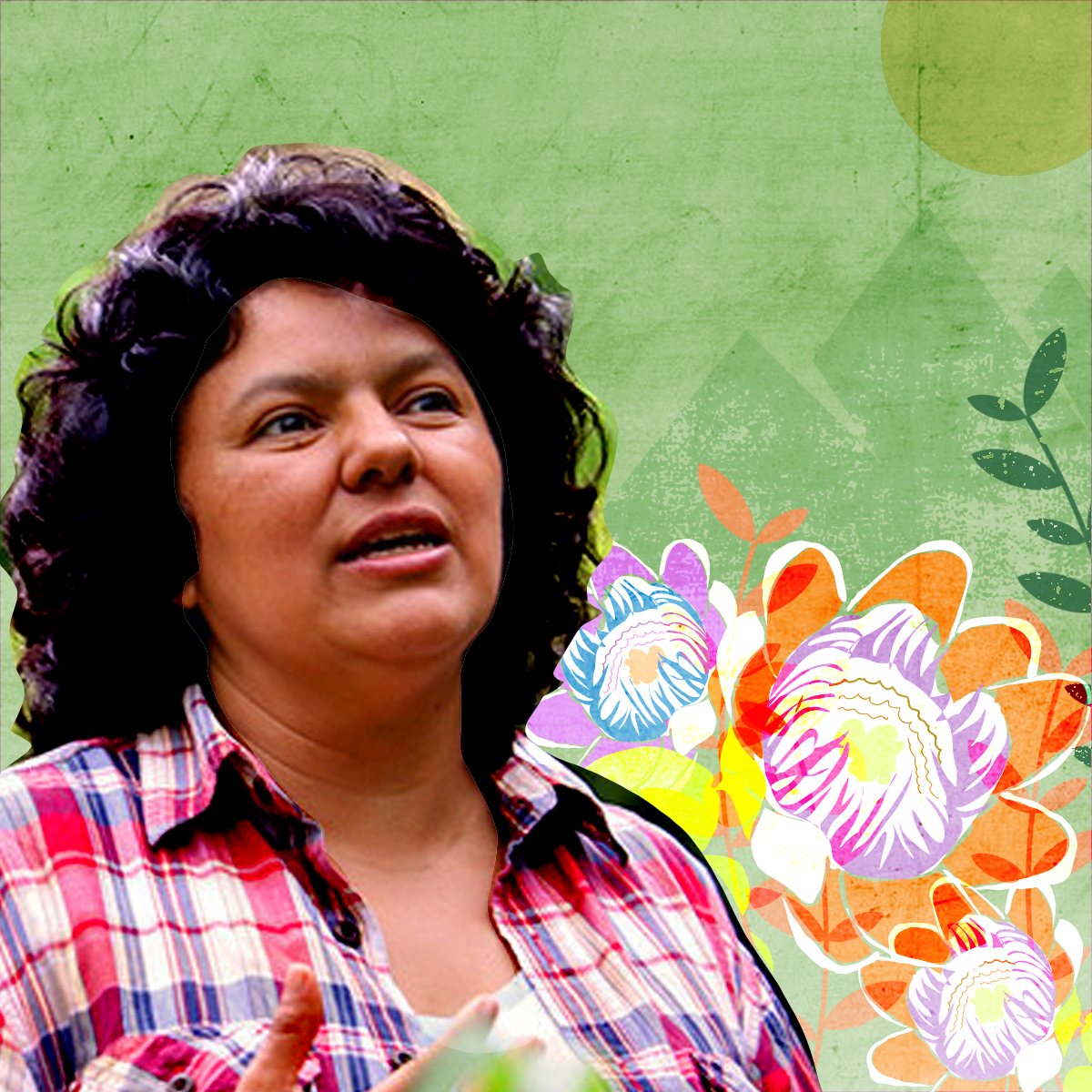
Berta Cáceres cofounded the National Council of Popular and Indigenous
Organizations of Honduras (Consejo Cívico de Organizaciones Populares e
Indígenas de Honduras, COPINH) in 1993 to address the growing threats
posed to the territorial rights of the Lenca communities and improve
their livelihoods.
On 2 March 2016, Berta was shot dead by gunmen who entered her home in
Honduras. Berta and COPINH were campaigning against the impact that an
hydroelectric dam project would have on the territory of the Lenca
People. This struggle led to Berta’s killing and remains a great threat
to the life of any organization questioning the implementation of
economic projects in the Lenca territory.
While some people have been found guilty for her murder, the Honduran
justice system still must find all those responsible- not just those
directly involved in the murder-to ensure that this crime does not go
unpunished.
JULIÁN CARRILLO AND THE COLORADAS DE LA VIRGEN COMMUNITY (MÉXICO)
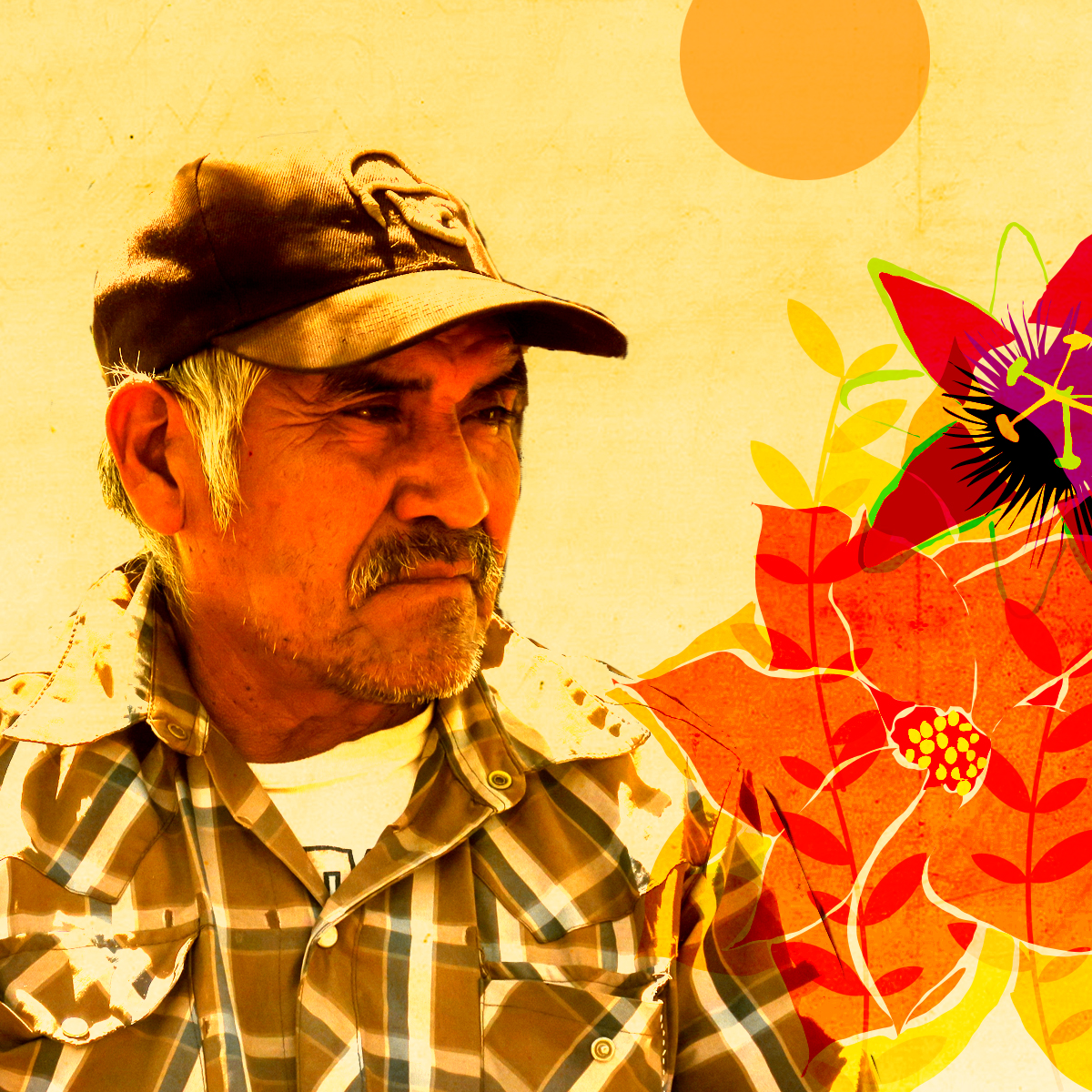
“We
were born and raised in Coloradas de la Virgen, so our children are
like shoots, the new young branches of a tree. And sometimes trees get
old, they dry out, but the shoots are still there, they keep growing.
Now I’m a little older, but my little branches are budding.”
Julián Carrillo was a leader of the Coloradas de la Virgen community.
His job was to take care of the territory, the water, the forest and the
wildlife. He had publicly denounced logging and mining by landlords in
their ancestral land, as well as violence by criminal armed groups
against his community.
Coloradas de la Virgen is an Indigenous community of almost 50 hectares,
located in the municipality of Guadalupe y Calvo, Chihuahua, one of the
poorest and most excluded regions in Mexico. More than 850 Rarámuri
Indigenous people live there and consider this land to be part of their
ancestral territory. They have been historically discriminated against.
On 24 October 2018, Julián Carrillo, was killed by unidentified armed
men. The murder of Julián was a predictable tragedy. He reported attacks
and death threats for years. His house was burned down, and he received
threats from unidentified armed groups since 2015. Five other people in
his family, including his son, were also killed.
PARAGUAY: AMADA MARTÍNEZ, INDIGENOUS DEFENDER OF THE ENVIRONMENT AND TERRITORY
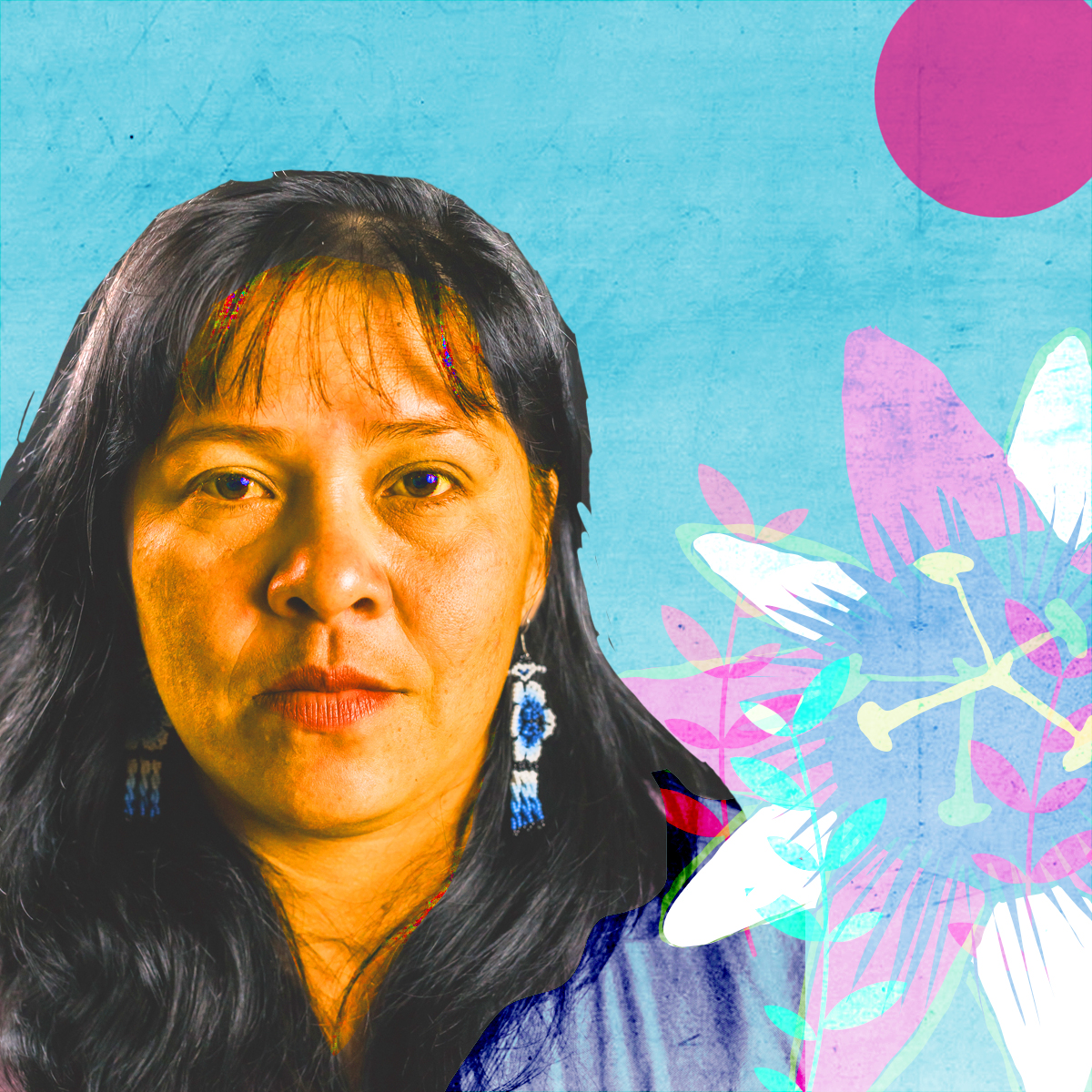
Amada is an Avá Guaraní Indigenous environment defender from the Tekoha Sauce community.
In the 1970s, the construction of the Itaipú Binational hydroelectric
plant, in the border between Paraguay and Brazil, forcibly displaced her
community from its ancestral territory, putting their survival at risk.
Since then, she has defended the right of her community to have a
territory in which they can thrive in harmony with nature and has
denounced the serious impacts of hydroelectric projects on nature and
Indigenous Peoples’ lives.
On 8 August 2018, a group of armed men threatened to kill her. Amada was
leaving the community in a taxi along with his seven-year-old son, his
sister and two young nephews, when the vehicle in which they were
traveling was intercepted by a pickup truck with the logo of the
hydroelectric plant. Amada Martínez believes that the threat against her
was due to her work defending Indigenous Peoples rights and the
environment.
PATRICIA GUALINGA, INDIGENOUS DEFENDER OF THE ENVIRONMENT AND TERRITORY
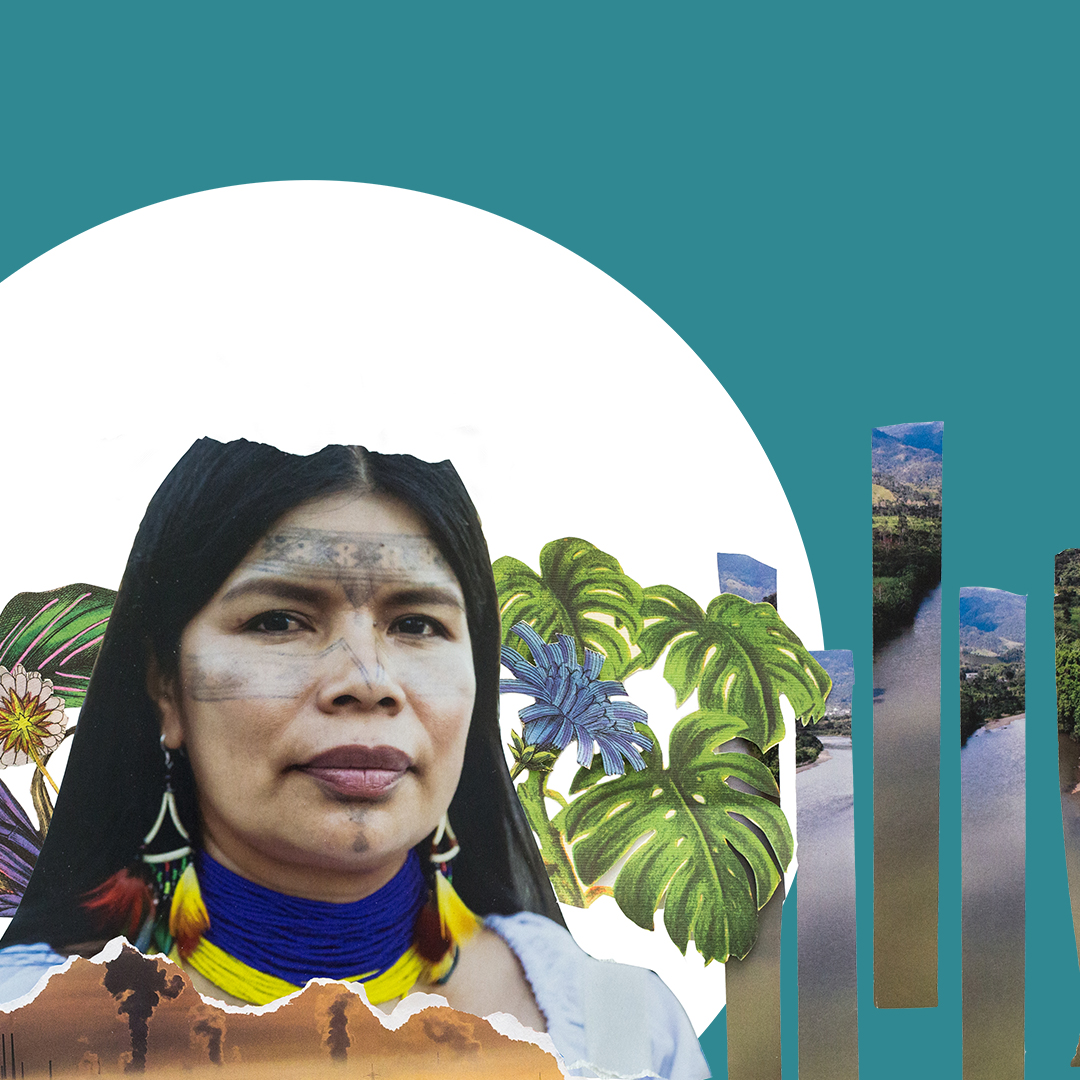
“We are united and we will continue our struggle to defend Mother Earth.”
Patricia is an Indigenous leader of the Kichwa people of Sarayaku
community. She defends her people’s rights to their territory and to
live in a healthy environment in the face of damaging oil activities
there. Patricia is also protecting the Amazonian environment and
promoting sustainable development.
In 2012, the Indigenous Sarayaku community achieved a historic victory
for Indigenous Peoples against the Ecuador government after reporting an
oil concession that had installed explosives on their territory without
consulting them.
In the early hours of 5 January 2018, an unknown man made death threats
to Patricia and attacked her at her home in Puyo, in the east of
Ecuador., The man shouted, “Next time we’ll kill you, bitch!” before
fleeing.
Patricia and her family had to leave their home after the attack because
the property owner “was terrified that something would happen to her.”
NEMA GREFA, INDIGENOUS DEFENDER OF THE ENVIRONMENT AND TERRITORY
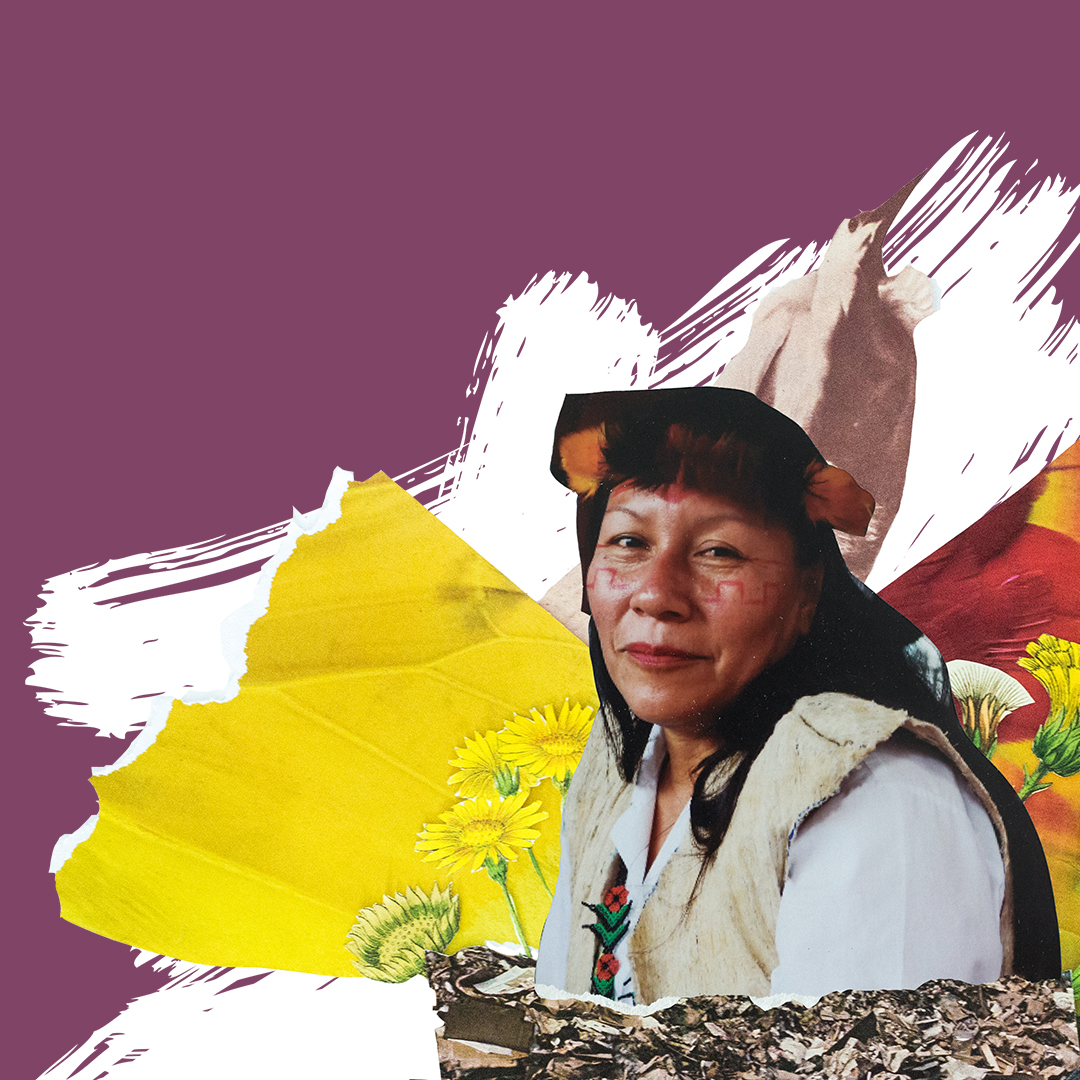
“They threaten me
with death but I’m not going to be scared by these words. As a Sápara
woman, I am going to fight for my territory.”
Nema is defending the Amazon environment and her people’s right to
protect their territory from the possible negative effects of oil
activity.
After being legally recognized as President of the Sápara nationality of
Ecuador in January 2018, her appointment was challenged by a group of
people who Nema says are supportive of oil activities on the Sápara
territory. Nema’s appointment was revoked in April 2018 as a result.
Later that month a video was shared on social media featuring a man
armed with a spear, identified by Nema as belonging to the group who had
challenged her appointment, issuing her with a death threat: “Those
present here are united in rejecting her and are thus going to kill Nema
Grefa; she has no territory.”
One year on, the Attorney’s Office has yet to open in investigation into the death threat.
On 19 October 2018 Nema was finally recognized as president but still
faces serious threats to her life. In April this year, despite the
Ecuadorian authorities’ promises to protect her and her family, unknown
individuals forcibly broke into her home to steal two computers
containing sensitive information on her human rights work.
SALOMÉ ARANDA, INDIGENOUS ENVIRONMENTAL AND WOMEN’S RIGHTS DEFENDER
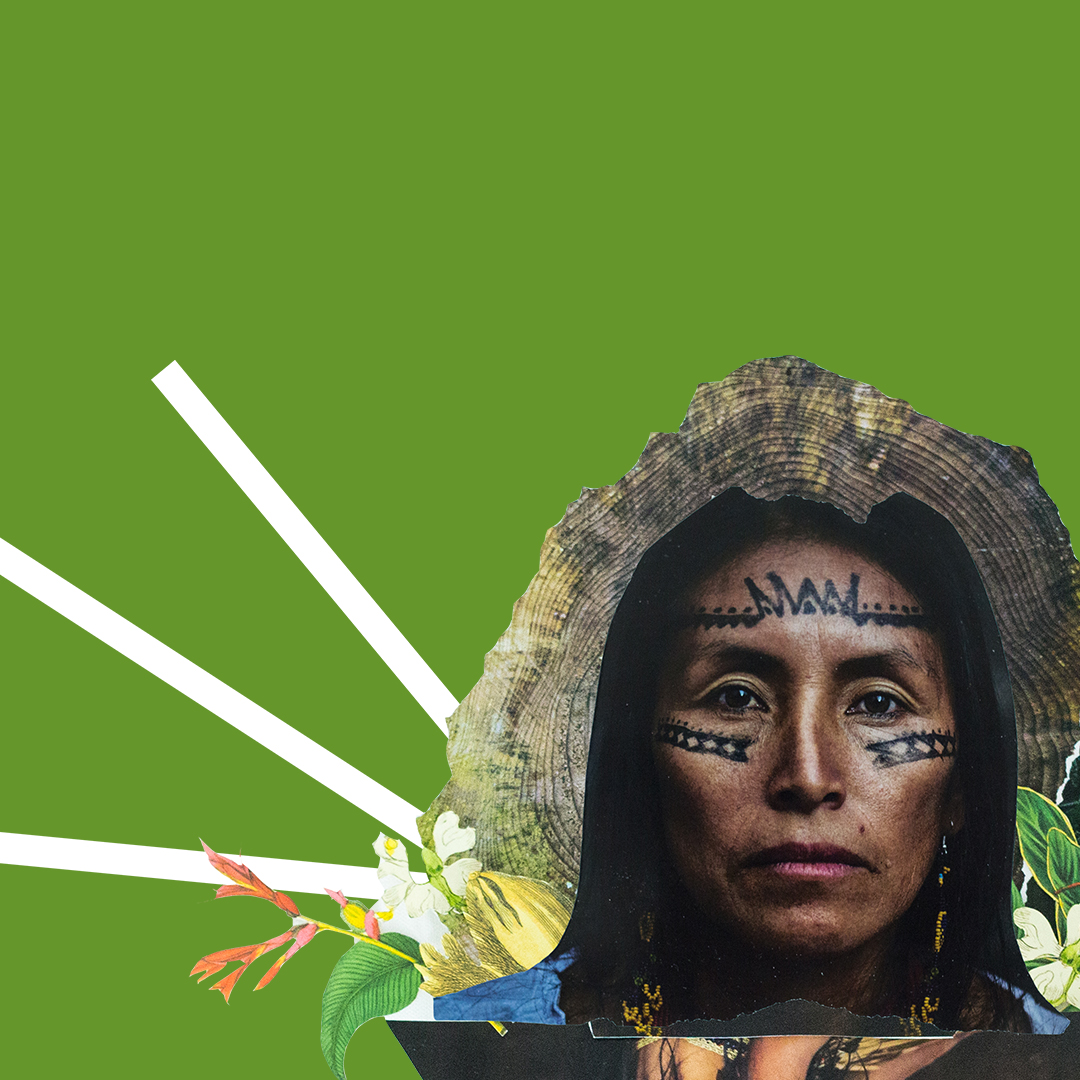
“This attack is in retaliation for my fight to defend life and our territories from the threat of oil exploitation.”
Salomé is an Indigenous leader from the Kichwa people who is defending
the Amazonian environment and the right of women in her community to
live in a healthy environment, free from sexual violence. Salomé is the
Women and Family Leader in Moretecocha commune, Pastaza province.
Salomé has publicly denounced the possible environmental impacts of oil
operations in the Villano River basin, Pastaza province, and the sexual
abuse of Indigenous women that have occurred in this context.
In the early hours of 13 May 2018, a number of unidentified individuals
attacked and threatened her and her family at home. Despite making a
formal complaint, the Pastaza Provincial Attorney’s Office has yet to
make any significant progress in this investigation. The authorities
have not even offered her protection measures to address the risk facing
her and her family.
MARGOTH ESCOBAR, ENVIRONMENTAL AND INDIGENOUS PEOPLES’ RIGHTS DEFENDER
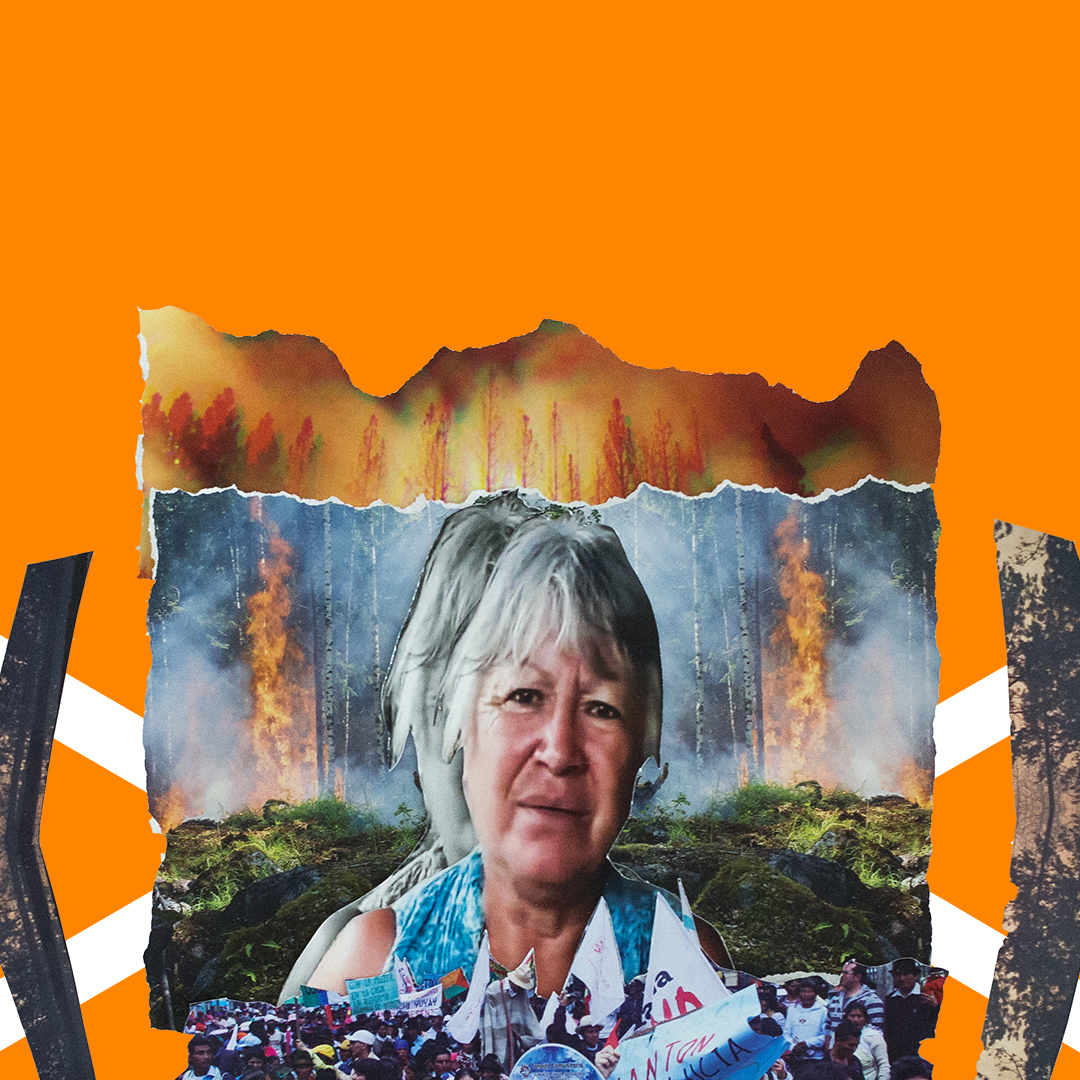
“We have to carry on
defending, wherever we are in the world. The contribution we make to
nature is the most valuable thing we can do for future generations. We
are seeking the common good for all because that is the best legacy we
can leave to humanity.”
Margoth has devoted her life to defending the environment and Indigenous Peoples’ rights.
In August 2015, Margoth was physically attacked by police officers at a
protest and national strike called by the social and Indigenous
movements in Puyo, Pastaza province. She was held on pre-trial detention
for more than a week despite poor health caused by her injuries. She
was charged with “attack and resistance”, which she was eventually
acquitted of.
In September last year Margoth’s house was set on fire, destroying all her belongings.
On 1 October 2018, the Puyo Fire Brigade Commander stated that the fire
at Margoth’s house had been intentional. Margoth lodged a criminal
complaint with the Pastaza Provincial Attorney’s Office to investigate
the attack, yet no progress has been made in her case.
Margoth refused to join the country’s witness protection program because
of her previous experience at the hands of the police: “I didn’t want
to join the victim and witness protection system because I have no faith
in the current government, I have no faith in the independence of the
legal system in Ecuador, nor in the military or police forces.”
