Peace for the World World ! Your War Our Lives

The Dalai Lama
A Brief Colonial History Of Ceylon(SriLanka)
Sri Lanka: One Island Two Nations
A Brief Colonial History Of Ceylon(SriLanka)
Sri Lanka: One Island Two Nations
(Full Story)
Back to 500BC.

Wednesday, May 6, 2020
Tamil diaspora provide assistance to families in the homeland

 04 May 2020
Diaspora Tamils are providing assistance to families across the North-East who are struggling under Sri Lanka’s lockdown.
On March 20, the Sri Lankan government imposed an island-wide curfew to
curb the spread of coronavirus, but this brought hardship to many
families in the North-East.
Low income and mainly female headed households who depend on daily wages
to support their families have been hit the hardest by the lockdown.
Trincomalee
An online fundraiser was created by Praveen Arulpirabakar, former Chair
of Canada’s Tamil Youth Organisation after he was contacted by Kapilar
Social Advancement Council’s (KSAC) President who was concerned about
the effect of the government imposed curfew on low income families.
The fundraiser has raised $27,485 CAD which has helped 3,630 families from 66 villages in Trincomalee.
04 May 2020
Diaspora Tamils are providing assistance to families across the North-East who are struggling under Sri Lanka’s lockdown.
On March 20, the Sri Lankan government imposed an island-wide curfew to
curb the spread of coronavirus, but this brought hardship to many
families in the North-East.
Low income and mainly female headed households who depend on daily wages
to support their families have been hit the hardest by the lockdown.
Trincomalee
An online fundraiser was created by Praveen Arulpirabakar, former Chair
of Canada’s Tamil Youth Organisation after he was contacted by Kapilar
Social Advancement Council’s (KSAC) President who was concerned about
the effect of the government imposed curfew on low income families.
The fundraiser has raised $27,485 CAD which has helped 3,630 families from 66 villages in Trincomalee.
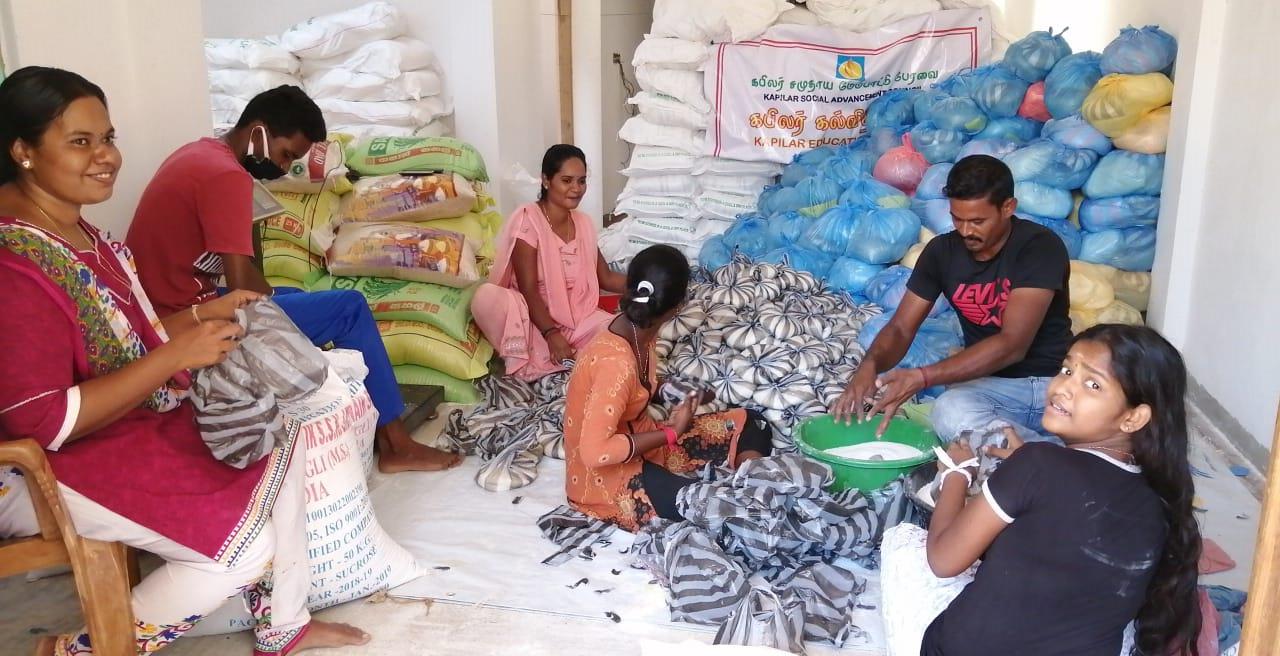
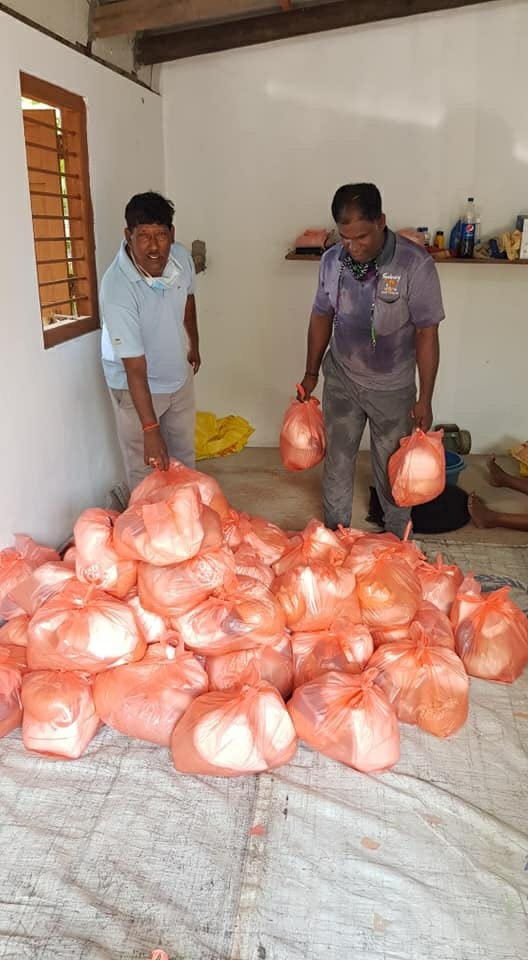 Volunteers from KSAC packed and distributed the packages to the families in need.
“The online fundraiser showcased the power of our Tamil community. It
was amazing to see how the Tamil youth from back home and the
international Tamil youth worked together for a greater good,”
Pirathanya Arulpirabkar, one of the fundraiser organisers, told Tamil
Guardian.
“Since our people continue to be treated like second-class citizens in
their own ancestral land, it is up to the Tamil diaspora to come
together to raise money for families in the North-East. If not us, then
who? We must never let our own people suffer from hunger,” she added.
Volunteers from KSAC packed and distributed the packages to the families in need.
“The online fundraiser showcased the power of our Tamil community. It
was amazing to see how the Tamil youth from back home and the
international Tamil youth worked together for a greater good,”
Pirathanya Arulpirabkar, one of the fundraiser organisers, told Tamil
Guardian.
“Since our people continue to be treated like second-class citizens in
their own ancestral land, it is up to the Tamil diaspora to come
together to raise money for families in the North-East. If not us, then
who? We must never let our own people suffer from hunger,” she added.
 Mullaitivu and Kilinochchi
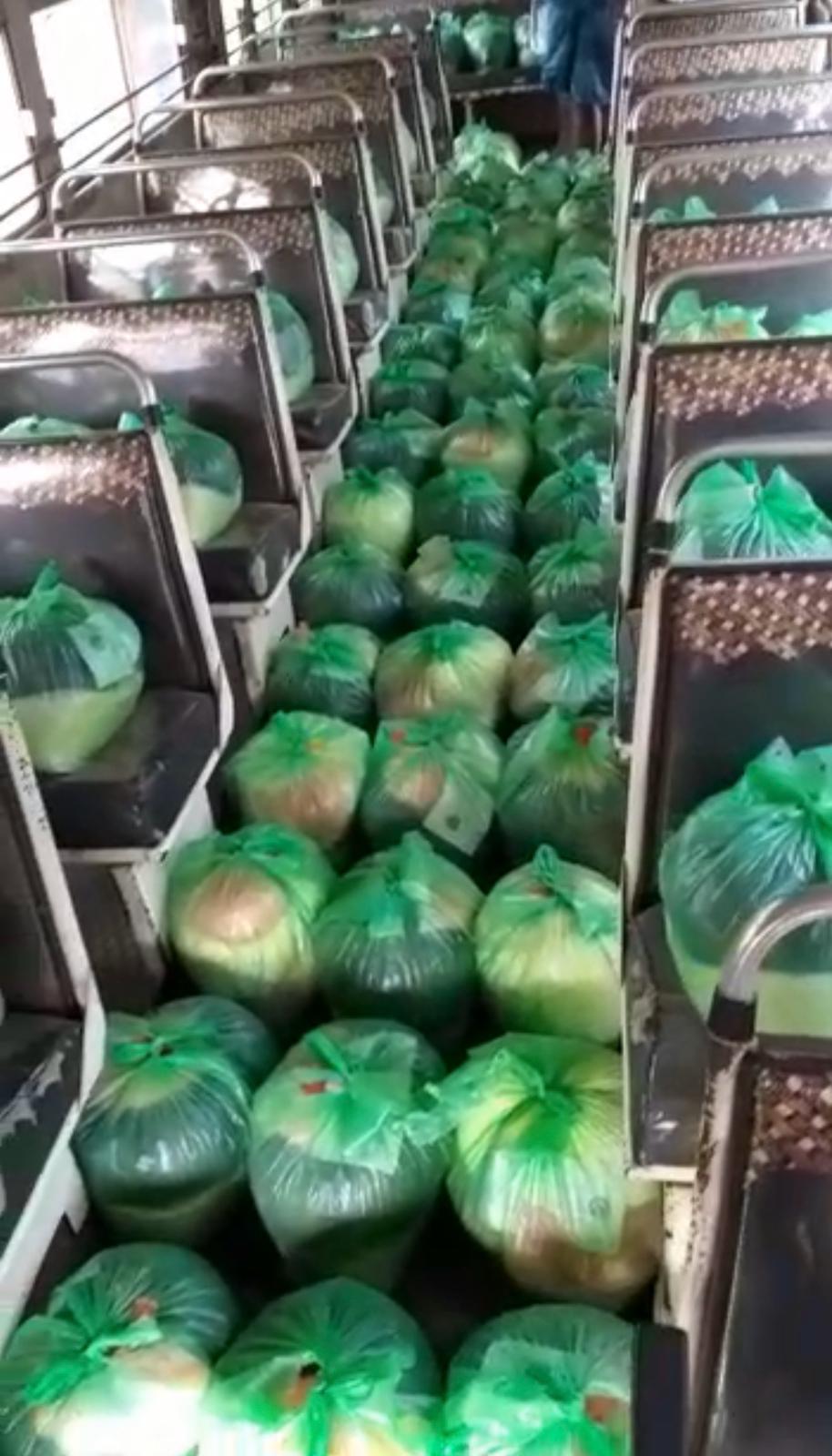
An activist from Jaffna and journalist from Mullaitivu made efforts
through social media to raise funds to provide packages to families in
Kilinochchi and Mullaitivu which were distributed by a group of
volunteers.
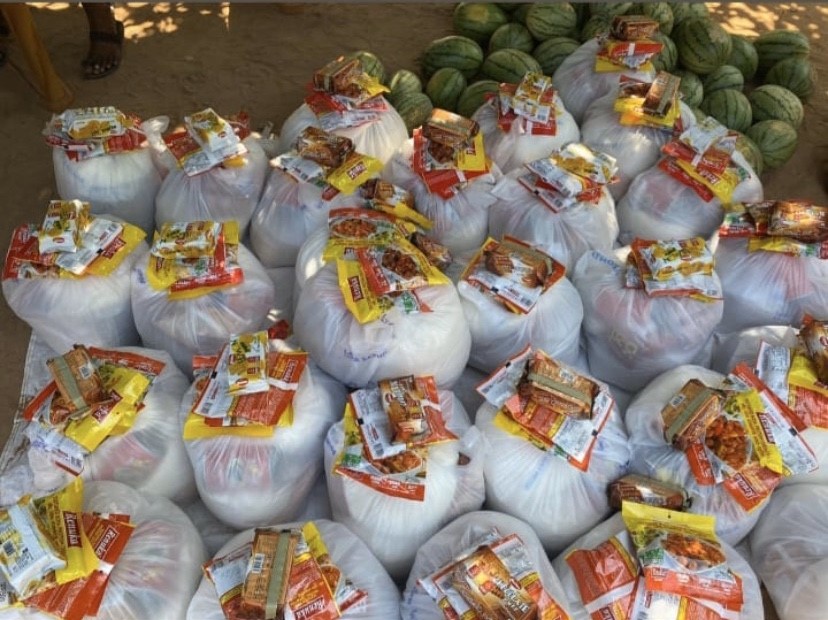
In just three days, they were able to provide support over 300 families,
including families of the disappeared and Maaveerar families. The
packages included flour, rice, lentils, sugar and oil.
Mullaitivu and Kilinochchi
An activist from Jaffna and journalist from Mullaitivu made efforts
through social media to raise funds to provide packages to families in
Kilinochchi and Mullaitivu which were distributed by a group of
volunteers.
In just three days, they were able to provide support over 300 families,
including families of the disappeared and Maaveerar families. The
packages included flour, rice, lentils, sugar and oil.
04 May 2020
Diaspora Tamils are providing assistance to families across the North-East who are struggling under Sri Lanka’s lockdown.
On March 20, the Sri Lankan government imposed an island-wide curfew to
curb the spread of coronavirus, but this brought hardship to many
families in the North-East.
Low income and mainly female headed households who depend on daily wages
to support their families have been hit the hardest by the lockdown.
Trincomalee
An online fundraiser was created by Praveen Arulpirabakar, former Chair
of Canada’s Tamil Youth Organisation after he was contacted by Kapilar
Social Advancement Council’s (KSAC) President who was concerned about
the effect of the government imposed curfew on low income families.
The fundraiser has raised $27,485 CAD which has helped 3,630 families from 66 villages in Trincomalee.
Volunteers from KSAC packed and distributed the packages to the families in need.
“The online fundraiser showcased the power of our Tamil community. It
was amazing to see how the Tamil youth from back home and the
international Tamil youth worked together for a greater good,”
Pirathanya Arulpirabkar, one of the fundraiser organisers, told Tamil
Guardian.
“Since our people continue to be treated like second-class citizens in
their own ancestral land, it is up to the Tamil diaspora to come
together to raise money for families in the North-East. If not us, then
who? We must never let our own people suffer from hunger,” she added.
Mullaitivu and Kilinochchi
An activist from Jaffna and journalist from Mullaitivu made efforts
through social media to raise funds to provide packages to families in
Kilinochchi and Mullaitivu which were distributed by a group of
volunteers.
In just three days, they were able to provide support over 300 families,
including families of the disappeared and Maaveerar families. The
packages included flour, rice, lentils, sugar and oil.
