Peace for the World World ! Your War Our Lives

The Dalai Lama
A Brief Colonial History Of Ceylon(SriLanka)
Sri Lanka: One Island Two Nations
A Brief Colonial History Of Ceylon(SriLanka)
Sri Lanka: One Island Two Nations
(Full Story)
Back to 500BC.

Tuesday, August 23, 2016
7 Ayurvedic Superfoods You Should Eat Every Day
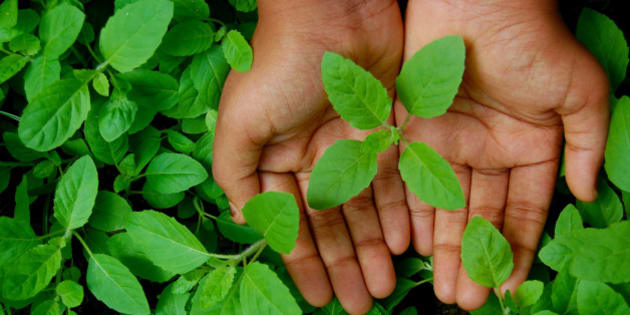
The
'tulsi' plant or Indian basil is an important symbol in the Hindu
religious tradition. Scientific Name: Ocimum tenuiflorum, also known as
Holy Basil
 July 15, 2016
When it comes to embracing the benefits of Ayurveda, watching what you
eat is possibly the best way to start. “Ahar (meaning dietary habits in
Ayurveda) says that food eaten should have at least one of six tastes:
sweet, sour, salty, bitter, pungent and astringent,” says Dr Rahul Dogra of the Kairali Ayurvedic Group, an institution that has been dedicated to Ayurvedic research and healthcare for over two decades. “The right foods promote sattva (purity),
detox the body, and rejuvenate it as well, leading to an overall
increase in immunity, physical and mental strength, and digestion."
If you are seeking to accomplish all of the above, say goodbye to
temporary crash diets, and instead consume the Ayurvedic superfoods
listed below. Bonus: The best part is that they are easily available!
1. Ginger
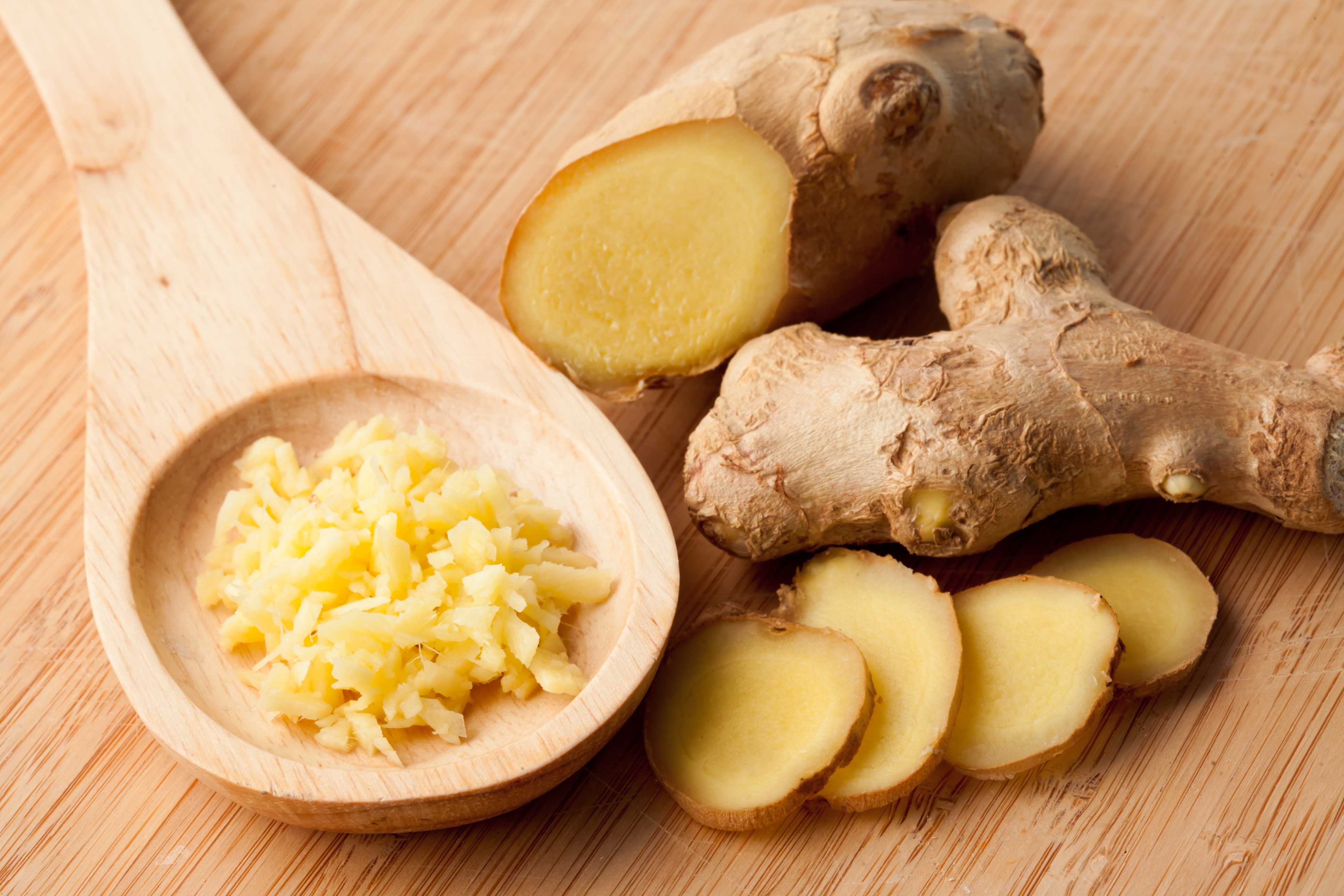
Another reason to drink more masala chai! Ginger is a well-recognised anti inflammatory that stimulates appetite, and reduces intestinal pain, gas and bloating. “In Ayurveda, fresh ginger is used to battle nausea, especially pregnancy-induced vomiting.
Dried ginger root works well on joint pains (mix with almond oil and rub
on painful areas), as well as migraines, and helps lower cholesterol
levels,” says Dr Dogra, who is an Ayurvedic physician at the Kairali
Ayurvedic Centre.
2. Ashwagandha Root (Indian ginseng)
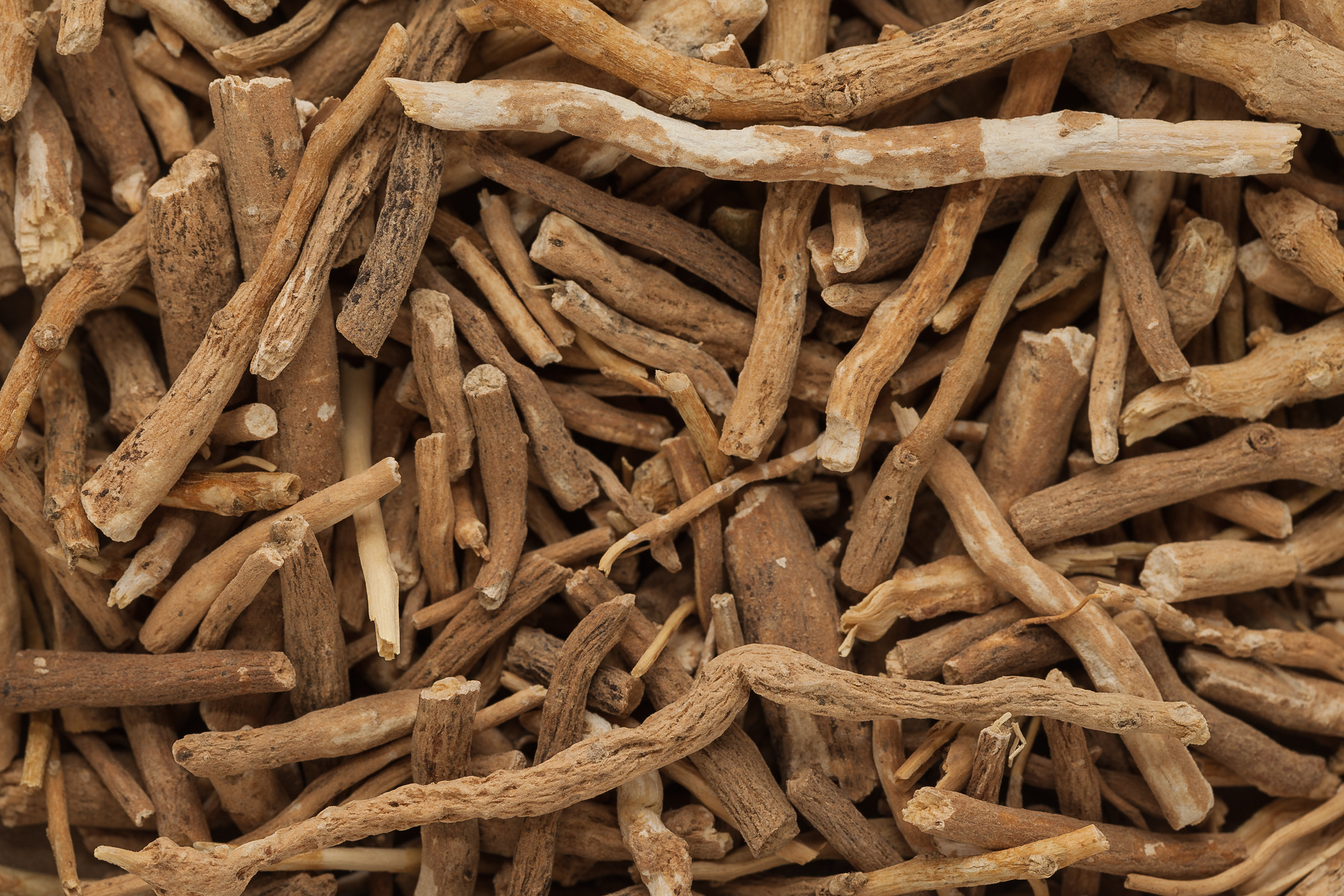
Dabur’s
Chyawanprash, an integral component of every Indian’s childhood,
contains this super-food along with 39 other essential herbs.
Ashwagandha is popularly used in Ayurveda for fighting stress, anxiety
and fatigue. Also used to relieve painful swelling or rheumatoid
arthritis -- traditionally its leaves were applied to the painful area
-- Ashwangandha is also considered beneficial for increasing sperm count in men.
3. Amla
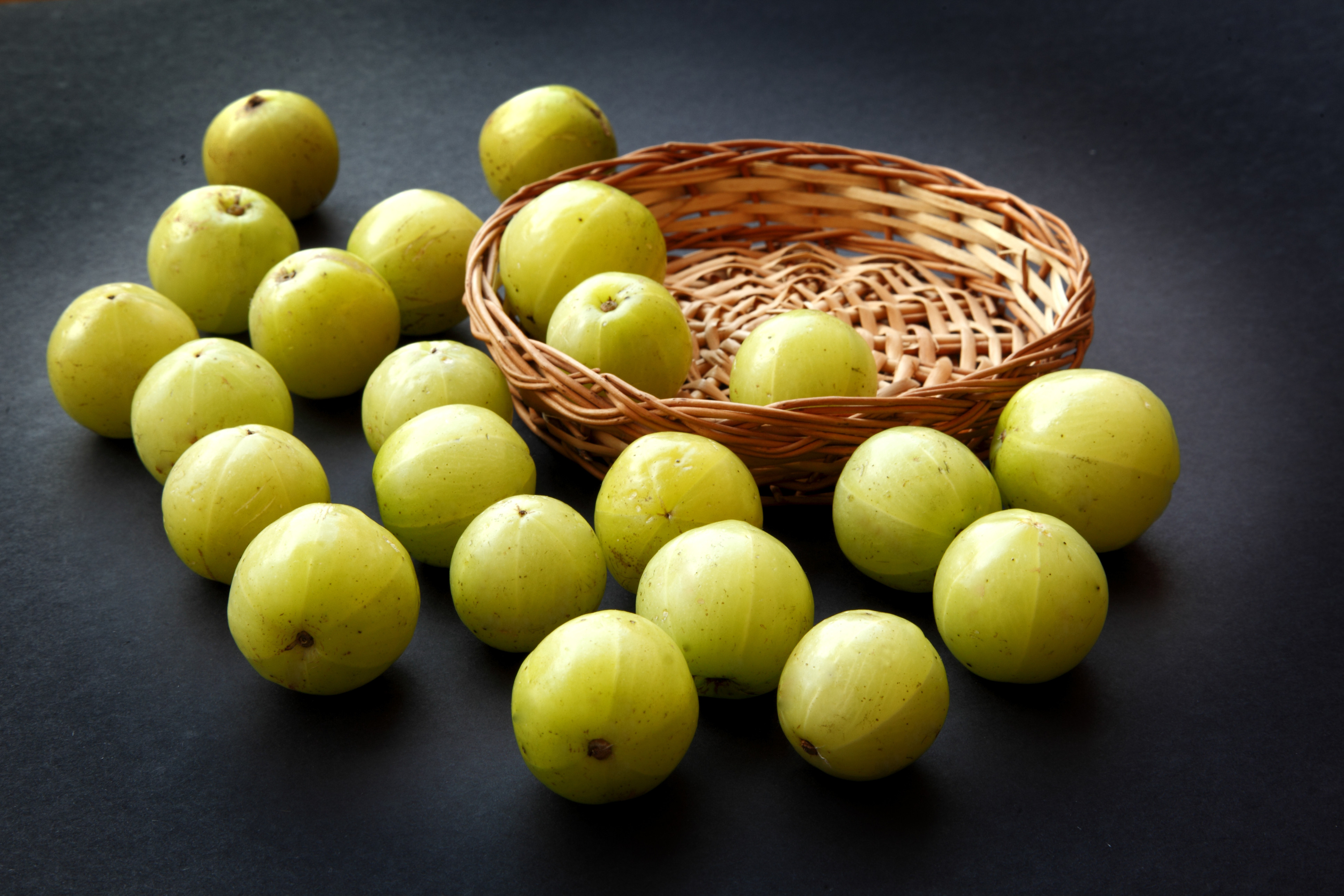
Popularly
known as the Indian gooseberry, this fruit has carved its own
healthcare niche on account of its powerful antioxidant properties. “It
also works as a digestive tonic, cleansing the colon, and removes excess
heat from the body,” says Dr Dogra. A rich source of natural Vitamin C
and calcium, Amla is also known for its anti-ageing properties. Amla oil
is directly applied to the hair as it fights dandruff.
4. Turmeric
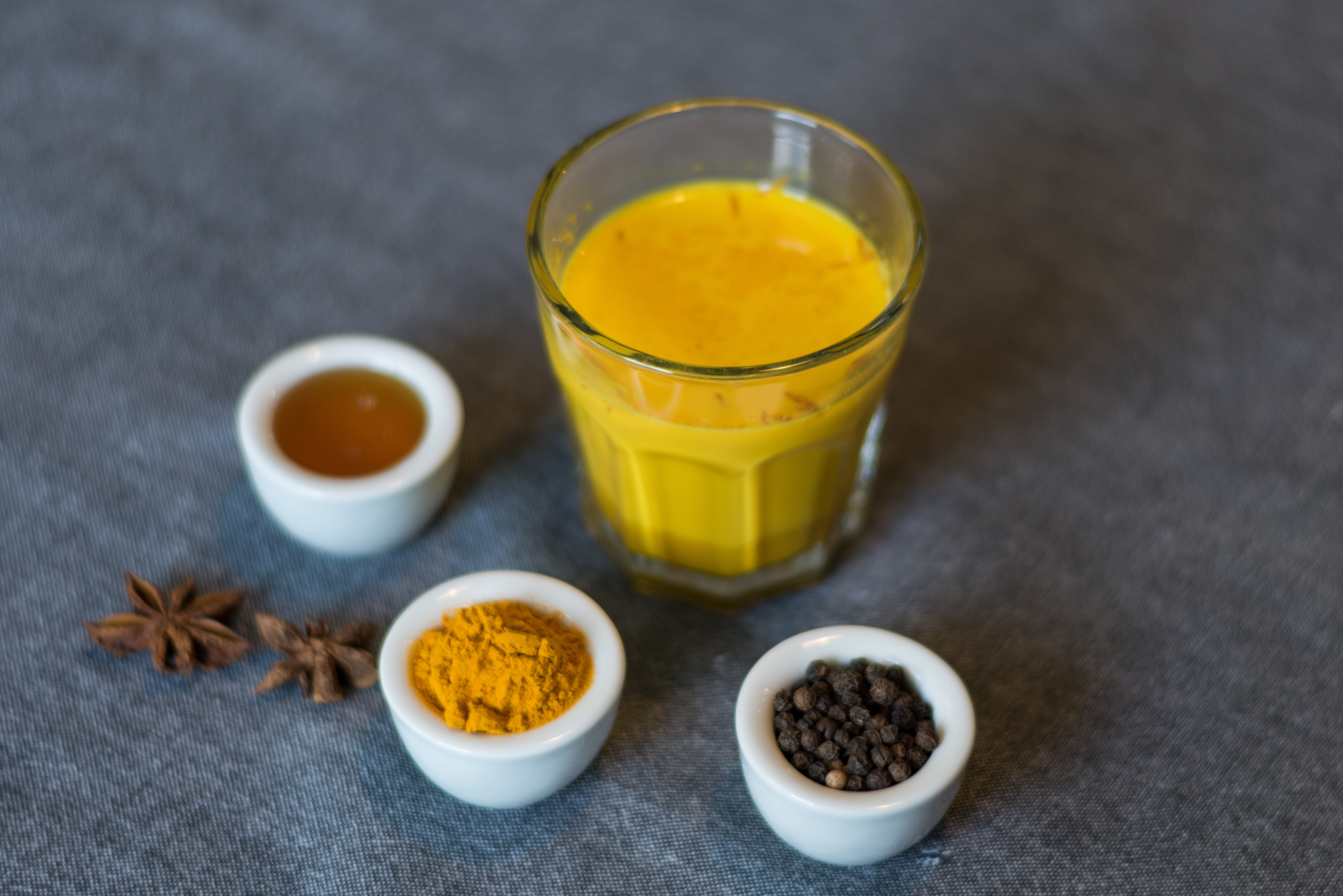
Currently trending as an international superfood,
turmeric is an all rounder, thanks to its anti-viral, anti-bacterial,
and anti-fungal properties. “It is used to treat skin conditions,
detoxify the liver and is excellent for diabetics as it lowers blood
sugar,” says Dr Dogra. While it can be applied directly to treat wounds,
it is very beneficial when ingested, preferably when mixed in milk with
some black pepper and honey.
5. Ghee
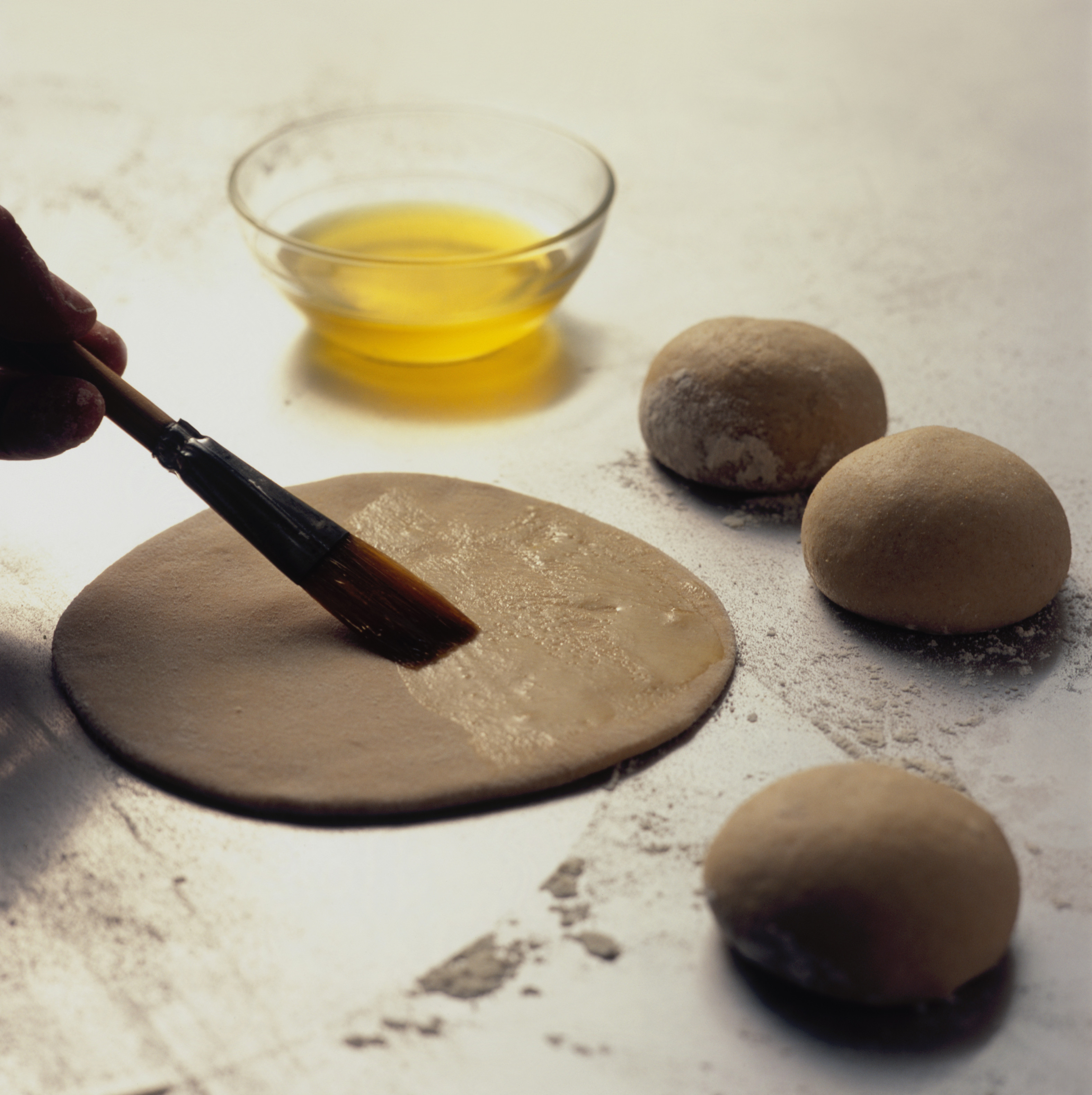
Here’s
some good news for those who like a spoonful of ghee over their rice
and vegetables. “Clarified butter (as ghee is also known) actually lowers cholesterol,
thanks to its content of omega-3 fatty acids, and helps improve heart
health,” says Dr Dogra. It also helps maintain healthy eyesight and
skin, and trumps carbs as an excellent source of energy.
6. Tulsi
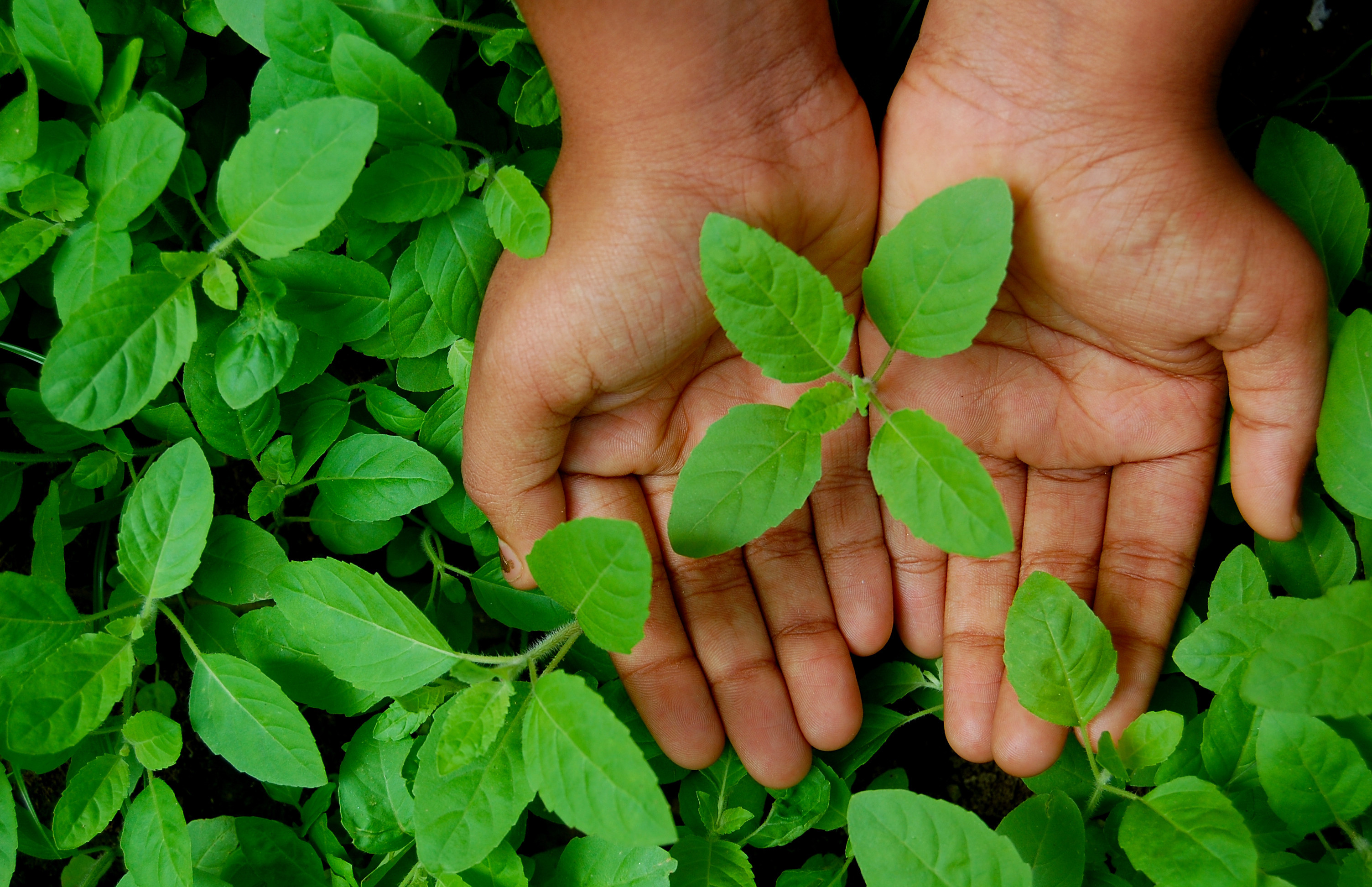
“In
Ayurveda, tulsi leaves, ginger and cardamom boiled in water make for a
healing potion to treat sore throats, headaches and chest congestion,”
says Dr Dogra. Tulsi juice is also effective in treating acne, as well
as other skin disorders such as ring worm infections, rashes and
itchiness. Regular consumption of tulsi also helps purify the blood,
reduce blood sugar and build immunity.
7. Brahmi
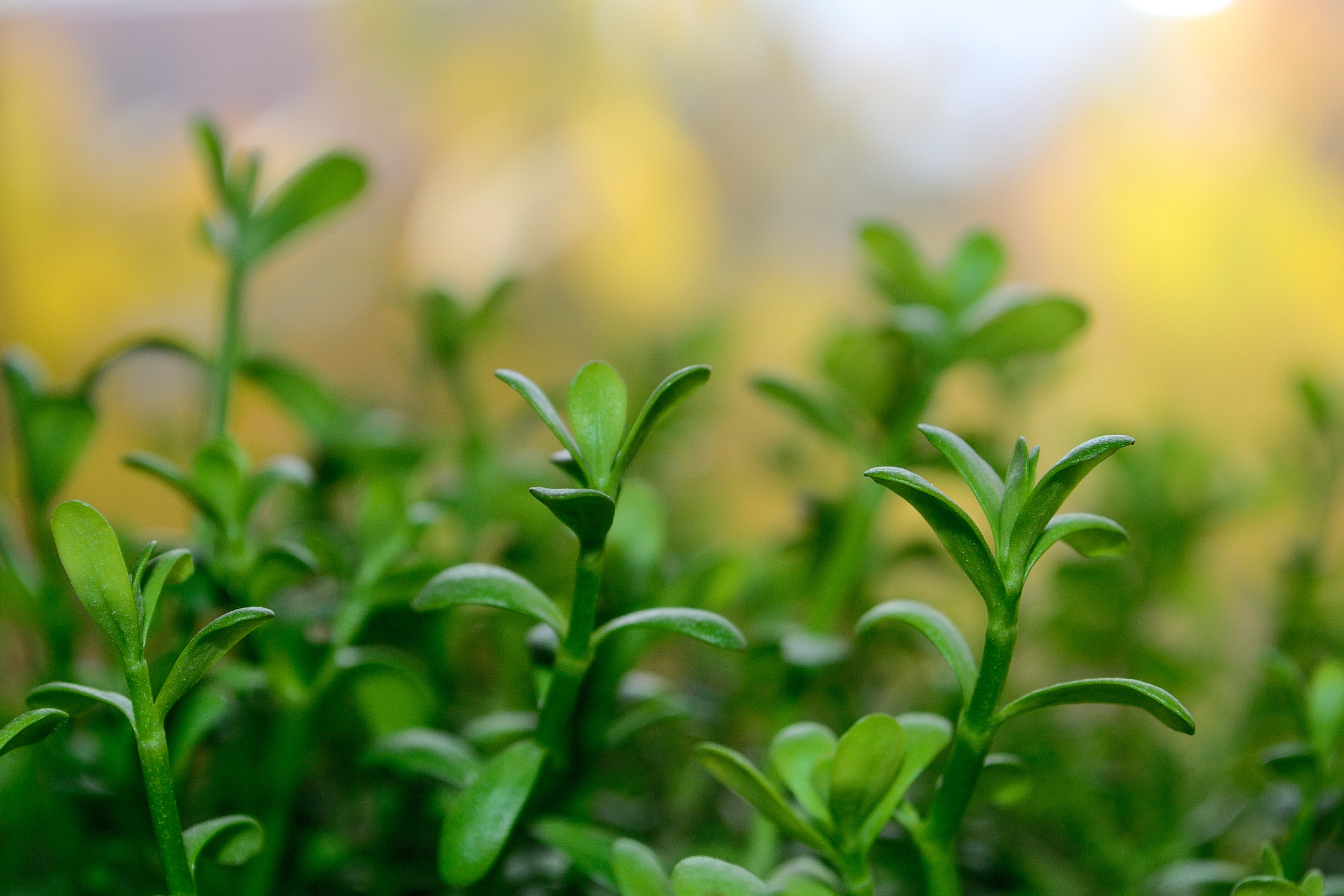
“Brahmi
or Bacopa is used to balance the three body types specified in
Ayurveda: Vata, Pitta and Kapha,” says Dr Dogra, adding that this herb
also helps sustain brain and nervous system functions. “It is
traditionally mixed with sesame oil, and used to massage away stress and
soothe the nerves,” he says. Brahmi also helps improve memory power. Dr
Dogra cautions though, that the herb should be consumed only after
medical consultation. "It does feature a few side-effects like stomach
upsets, cramps and nausea," he says.
