Peace for the World World ! Your War Our Lives

The Dalai Lama
A Brief Colonial History Of Ceylon(SriLanka)
Sri Lanka: One Island Two Nations
A Brief Colonial History Of Ceylon(SriLanka)
Sri Lanka: One Island Two Nations
(Full Story)
Back to 500BC.

Friday, August 19, 2016
The Continuing Political Ills Of Sri Lanka

By Thambu Kanagasabai –August 18, 2016
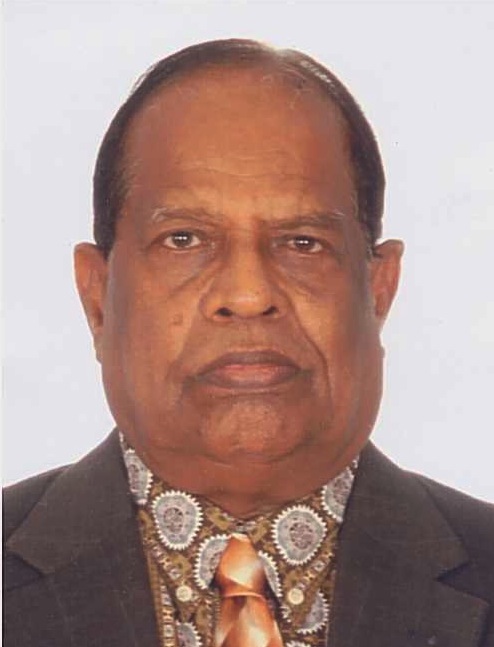
Thambu Kanagasabai
One can hardly deny the fact of various political ills plaguing and
denting Sri Lanka’s image since 1956. A nation labelled as peaceful and
prosperous until 1956 shed this image from then on to become a nation
wracked with communalism, hegemony and ethnic strife promoted by power
seeking politicians to score election victories with broken promises and
a culture of impunity being the order of the day! If Sri Lankan powers
that be, particularly the present regime, ideally situated to end the
continuing conflict, won’t open its eyes, it’s time the international
community recognises the urgency and puts pressure to force Sri Lanka
into taking meaningful steps to break the logjam and bring a fair and
just settlement.
[ 1 ] COMMUNALISM AND MAJORITY HEGEMONY
The Sinhala Only Act 1956 – it was not just a Sinhala Act but ‘Only
Sinhala Act’ which effectively sealed the marginalisation and exclusion
of the Tamil Language and by extension, Tamils. This piece of
politically motivated and necessitated legislation heralded the
polarisation and unbridled growth of Sinhalese nationalism allowing for
the rise of Tamil nationalism and ethnic rift with extremists taking
upper hand and exploiting the opportunities whipping up hatred and
hostility between the two communities which have been hitherto living
happily and socially mixing with no hidden feelings of fear or
suspicion.
1956 was an important year which also thrust the Buddhist monks into
politics and opened up a third front in the running of governments. The
prescribed role of monks as advisors to rulers in times of
need, preachers of Buddhism has now extended to full blown political
activities including contesting elections to win seats while indulging
in unsavoury political propaganda and even in violence like other die
hard politicians. As a fall out, this act gave way to discrimination of
Tamils in employment, appointments to state institutions, including
recruitment in the security services.Even in education, this
discrimination is continuing and universities functioning in the North
and East which foster and preserve Tamil culture and traditions are now
facing a policy of planned increasing of Sinhalese students in the
universities in the North and East [Tamils traditional and historical
homeland] creating tension and clashes as to who should have the right
of decision in university functions and related matters.
These ills of marginalization, exclusion and discrimination have taken a
heavy toll on the Tamils in all sectors of appointments and
employments, like judiciary, security sector, public service, state
institutions and banks etc. There is also no sign of any redemption or
removal of this injustice and it appears almost irretrievable and
entrenched.
Another ill is the detestable practices of favouritism, nepotism, and
politicisation which have been continuing with common acceptance and
even endorsing it as part and parcel of political lives in Sri Lanka.
These malpractices always accompany persons holding political power
particularly soon after they capture power. Their rule commences with
appointments of family members, personal friends, loyalists and
political stooges to top positions in state Institutions, Judiciary.
Boards, Banks, Ministries and Missions abroad including Cabinet
positions. Due to this unhealthy practice, efficiency, eligibility,
merits and even seniority are discarded while opening the gates for
abuse of power and position, bribery and corruption and even
disregarding rules of procedure. A change in Government can only bring
an end to this sad state of affairs while allowing a new front for above
malpractices to resume. As an example, family members of former
President Mahinda are facing investigations for bribery and
corruption with an uncertain outcome.
