Peace for the World World ! Your War Our Lives

The Dalai Lama
A Brief Colonial History Of Ceylon(SriLanka)
Sri Lanka: One Island Two Nations
A Brief Colonial History Of Ceylon(SriLanka)
Sri Lanka: One Island Two Nations
(Full Story)
Back to 500BC.

Tuesday, May 22, 2018
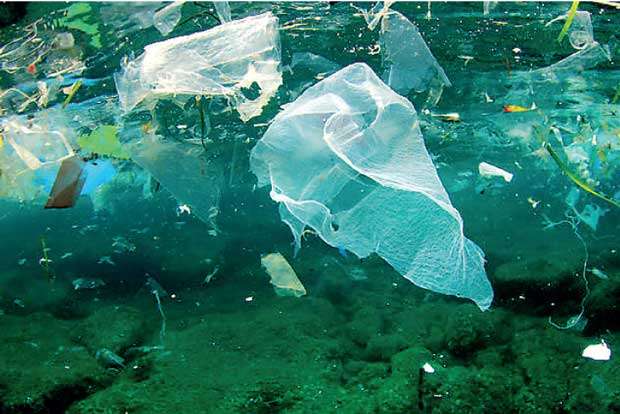
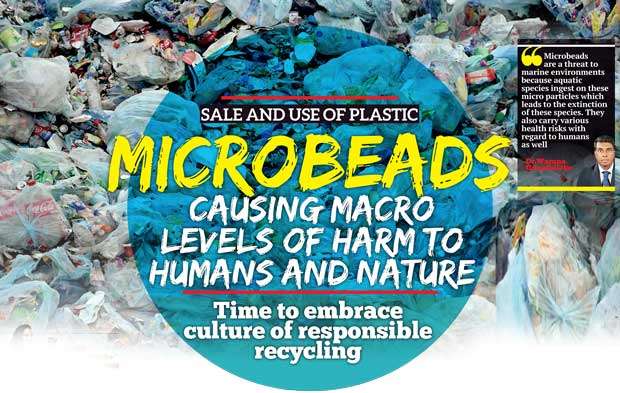
Sale and use of plastic TIME TO EMBRACE CULTURE OF RESPONSIBLE RECYCLING Microbeads causing macro levels of harm to humans and nature
 When
the Meethotamulla garbage dump collapsed in April last year, President
Maithripala Sirisena immediately banned the sale of plastic bags, cups,
plates and burning of refuse containing plastic.
When
the Meethotamulla garbage dump collapsed in April last year, President
Maithripala Sirisena immediately banned the sale of plastic bags, cups,
plates and burning of refuse containing plastic. 
2018-05-22
A similar ban was imposed from January with regard to the use and
production of polythene less than 20 microns. The ban was imposed
without a proper plan to introduce an alternative product. According to
observations made by the Environmental Foundation Limited (EFL), Sri
Lanka generates 700 metric tonnes of solid waste per day with the
Western Province accounting for nearly 60% of waste generation. Adding
to this menace is the uncoordinated collection of garbage where in most
instances they are collected, but not segregated. Although many moves
were made to reduce the use of plastics and its harmful effects on the
environment, Sri Lankans continue using plastic bags, making the ban on
plastics look ridiculous. Making things worse, Sri Lanka was listed
fifth among the world’s biggest marine polluters. In a recent video
published by our sister video channel W NOW, the harmful causes of
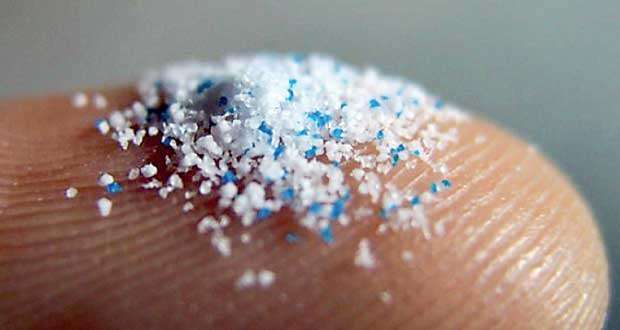
microbeads were highlighted. Microbeads are manufactured solid plastic
particles of less than one millimetre in dimension. They are frequently
made of polyethylene, but can be turned out of other petrochemical
plastics such as polypropylene and polystyrene. Hence the Daily mirror sheds
light on the adverse effects of microbeads, a PET bottle manufacturer’s
point of view and the present status of solid waste management in Sri
Lanka.
‘Micro beads are a threat to marine environments’
The formation of plastic is a chemical process. There are plasticizers which are added to bring about features such as hardiness, strength etc in order to promote plasticity and flexibility and reduce the brittleness
-Dr.Waruna Gunathilake
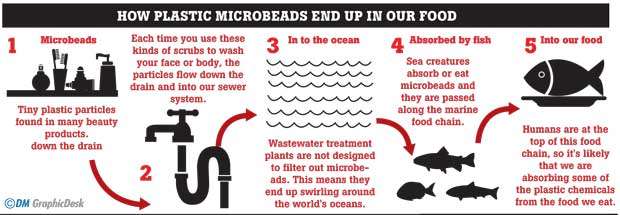
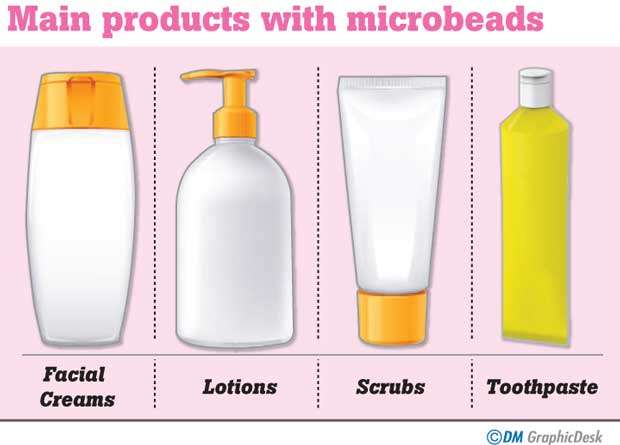
Their primary purpose is exfoliation or rather a rinsing effect and that
is why they are used in cosmetics such as facial scrubs, lotions and
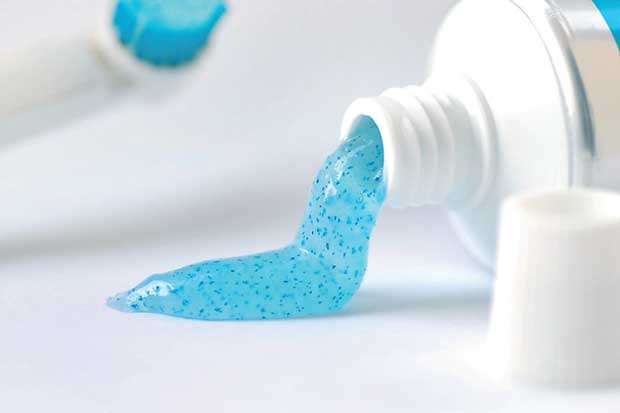
creams. In addition to that micro beads could also be found in
over-the-counter products such as toothpaste. Microbeads are a threat to
marine environments because aquatic species ingest on these micro
particles which leads to the extinction of these species. They also
carry various health risks with regard to humans as well. Although
various alternatives have been suggested in place of plastics, people
still tend to use plastic bags when they shop and for other purposes. If
plastic users and providers are taxed then its use may be minimized.
Other alternatives such as brown paper bags and paper bags could be
used.
Speaking further Dr. Gunathilake added that all plastics aren’t the same. “They have different chemical structures and other external materials. The formation of plastic is a chemical process. There are plasticizers which are added to bring about features such as hardiness, strength etc in order to promote plasticity and flexibility and reduce the brittleness. These materials are often toxic and would have a dangerous effect on the environment. Therefore it’s important that the law will be enforced by the authorities. It should in turn bring about a change in behaviour and attitude. The Government also needs to introduce alternatives in place of the use of plastics and make these alternatives available to the people,”said Gunathilake.
‘Responsible recycling will reduce harmful effects of plastics’
Speaking to the Daily Mirror Snackings
Pvt. Ltd Managing Director Muttiah Prabagaran said that when
considering the manufacture of plastic and glass bottles, glass bottles
require more energy. “Plastic manufacturing doesn’t require that much
energy. In terms of raw materials, glass needs more silica and that
requires mining sand. In turn that contributes to an environmental
hazard as well. When it comes to the beverage industry, plastic bottles
need not be washed before adding the beverages. But this is not the case
with glass bottles. They need to be washed thoroughly. In fact one
litre would require three to four litres of water for washing.
Polyethylene terephthalate (PET) bottles need not be washed now, thanks
to the technological advancements. Glass bottles need a chemical wash
which also leads up to chemical contamination,”Prabagaran explained.
One of the key issues identified by Prabagaran is the lack of responsible recycling. “We don’t see garbage being segregated today and that is one of the main reasons why this problem associated with plastic has become an environmental issue. Even Singapore uses more plastics than we, but they have effective garbage collection strategies. From bin setups to collection, segregation and recycling should take place accordingly in order to reduce the risks of pollution. If glass bottles are recycled, then it has to be a coloured bottle and this also requires a lot of energy. People misunderstand the underlying issues as they are not highlighted and therefore keep
attacking the plastic industry. Everything around us is made of plastic
and having glass around us is impractical in the first place,” he
added.
“There are several small manufacturers who are involved in the milk industry who make a few products,” he continued. “For example, those involved in the yoghurt industry would make a few cups because the Government is not supporting them to use reusable cups. Therefore the cottage industry may not be able to survive, given the situation.
Plastic manufacturing doesn’t require that much energy. In terms of raw materials, glass needs more silica and that requires mining sand. In turn that contributes to an environmental hazard as well-Muttiah Prabagaran
Everybody says plastic is bad, but there is no system to collect and
segregate garbage properly. Instead of banning plastic the Government
could get together with companies and societies and launch an area-wise
programme where people can be educated to use plastic responsibly.
We are not finding solutions and the environmental authorities have to be involved in this process. At the moment we are considering a project that’ll help recycle PET bottles. There has to be a channel like the Municipal Council, but the authorities are not equipped with sufficient data. They don’t have statistics and this handicaps our objectives. There is a plant which now recycles PET bottles to make fibre filaments. However, if plastic is recycled responsibly there would be no harm to the environment,” he concluded.
Present status of solid waste management in Sri Lanka
A Gazette (Extraordinary) Notification bearing number 2015/53 dated 20th
of April 2017, states that all services, related to waste disposal,
including clearance, collection, treatment and separation are to be
considered as essential services under section 17 of the Public Security
Ordinance.
People misunderstand the underlying issues as they are not highlighted and therefore keep attacking the plastic industry. Everything around us is made of plastic and having glass around us is impractical in the first place-Muttiah Prabagaran
It focuses on steps that are being taken when disposing, collecting,
transporting, storing, preparing, segregating garbage and disposing
garbage collected from households as well as that which is collected
from the road and related services. According to the Ordinance, anyone
who is guilty of such offences mentioned or
- The Government also needs to introduce alternatives in place of the use of plastics
- Even Singapore uses more plastics than Sri Lanka
- Everybody says plastic is bad, but there is no system to collect and segregate garbage properly
 if
there is reason to believe that someone was responsible for such a
crime, they could be arrested by a police officer, any moment, even
without an arrest warrant. Anyone thus arrested could be sentenced by a
Magistrate following a trial. Offenders could be fined Rs. 10,000 and
jailed for a period of two years.
if
there is reason to believe that someone was responsible for such a
crime, they could be arrested by a police officer, any moment, even
without an arrest warrant. Anyone thus arrested could be sentenced by a
Magistrate following a trial. Offenders could be fined Rs. 10,000 and
jailed for a period of two years. Waste collection and disposal responsibilities are vested with the local authorities of the particular Divisional Secretariat, either a municipal council (as per the Municipal Councils Ordinance -1947), urban council (Urban Councils Ordinance – 1939) or local council (PradeshiyaSabha Act – 1987). Provisions related to waste management and disposal, are made under the National Environmental Act No.47 of 1981 and Public Nuisance Ordinance.
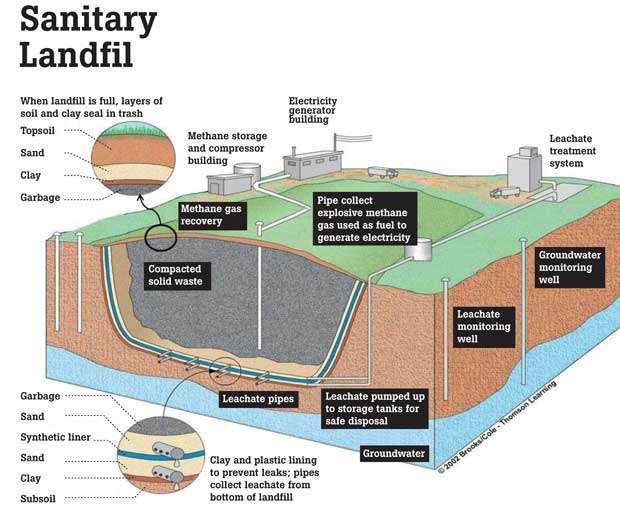
At the onset of the Meethotamulla garbage dump collapse, several other sites were identified as possible garbage dumping spots; one being the Muthurajawela Bird Sanctuary. It was then suggested that garbage will be transported to Aruwakkalu in the Puttalam District as a long-term plan. During the 2018 Budget announcement, Rs. 3 billion was allocated to accelerate the Aruwakkalu Waste Management Programme which includes the construction of a sanitary landfill site. The project will see the transfer of solid waste by train in sealed containers from the yet-to-be-established transfer station in Kelaniya to the proposed site in Aruwakkalu.