Peace for the World World ! Your War Our Lives

The Dalai Lama
A Brief Colonial History Of Ceylon(SriLanka)
Sri Lanka: One Island Two Nations
A Brief Colonial History Of Ceylon(SriLanka)
Sri Lanka: One Island Two Nations
(Full Story)
Back to 500BC.

Sunday, September 16, 2018
Natham: the sound of love
 He was my favourite uncle, the youngest in my mother’s family, who was
named after the Tamil deity, Lord Murugan - the true protector of
language heritage and the Tamil culture, as my grandmother (Ammamma)
would always say. He was her last son, her favourite. A most mischievous
being that she loved and spent the majority of her final years
protecting. He survived abuse during the time the Indian army came onto
the island and lived through war and witnessed the genocide of his
people, before he was forced to let go of the one person he dreamed of
sharing his life with.
Fluent in five languages, my uncle was a man of great knowledge, who
enjoyed reading and learning about other language as much as he loved
his mother tongue. Aside from his love towards his work, family and
literature, he had a soft spot for the love of his life, his wife.
Mala was just an ordinary village girl, who dressed simply, hadn’t
studied much and didn't have much wealth. Some would even have
questioned what was so special about her. However, what we saw on the
outside was just portion of what a true gentle being she was on the
inside.
Their love started when he was working as a postmaster in Mankulam,
where the two would often pass each other on the streets or in person
when my aunt would come to drop off the post. Just as their relationship
flourished however, my uncle was arrested by the Indian army.
Abused both mentally and physically, the Indian army interrogated him
regarding the whereabouts of the LTTE and its leader V Prabhakaran. He
told us later that he never thought he would make it out alive. He spent
his days thinking of what would happen to his mother, his siblings and
the girl he had fallen in love with, hoping that someone would secure
his release.
No one came though, not even my grandmother, as his arrest and
interrogation was done in silence. My grandmother went to different
police stations and army camps day and night, waiting and inquiring
about her son. It was many months before she finally found out where he
was being detained.
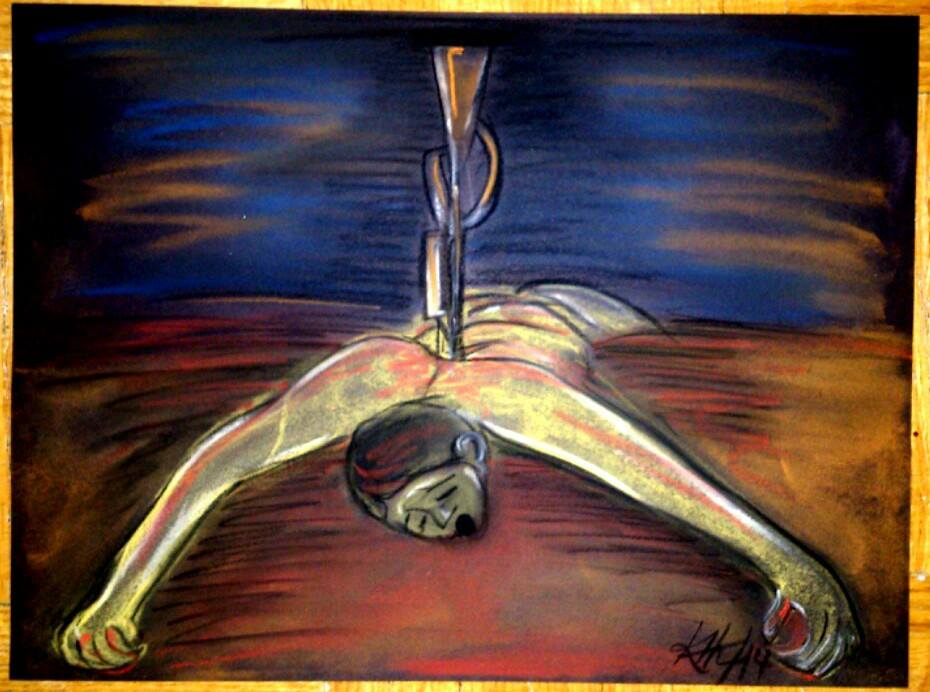
Thirty months after his arrest, my uncle was released. He came out frail
with bones protruding from his sunken, bruised skin, which bore the
marks of days and nights of beatings. Unable to walk, he limped. His
eyes red, lips cracked and his cheeks hallowed out from the loss of
teeth.
Overjoyed by his release, Mala came running to see him. He remained
silent though and avoided her gaze, as the memories of the abuse and
torture he had experienced poured from his eyes. Pushing her away he
told her to leave him and live her life with someone who could make her
happy and allow her to lead a normal life. He began to avoid her despite
her refusal to leave him for any other.
Mala eventually tried to kill herself. “I either live with you or not live at all,” she said.
Forced to accept the sincerity of her love for him, my uncle gave in and they married.
Life went by slowly, years turning into decades. The war was no better
however, it darkened like grey clouds before a horrific storm. When that
storm eventually came in 2009, its horror was unimaginable
He was my favourite uncle, the youngest in my mother’s family, who was
named after the Tamil deity, Lord Murugan - the true protector of
language heritage and the Tamil culture, as my grandmother (Ammamma)
would always say. He was her last son, her favourite. A most mischievous
being that she loved and spent the majority of her final years
protecting. He survived abuse during the time the Indian army came onto
the island and lived through war and witnessed the genocide of his
people, before he was forced to let go of the one person he dreamed of
sharing his life with.
Fluent in five languages, my uncle was a man of great knowledge, who
enjoyed reading and learning about other language as much as he loved
his mother tongue. Aside from his love towards his work, family and
literature, he had a soft spot for the love of his life, his wife.
Mala was just an ordinary village girl, who dressed simply, hadn’t
studied much and didn't have much wealth. Some would even have
questioned what was so special about her. However, what we saw on the
outside was just portion of what a true gentle being she was on the
inside.
Their love started when he was working as a postmaster in Mankulam,
where the two would often pass each other on the streets or in person
when my aunt would come to drop off the post. Just as their relationship
flourished however, my uncle was arrested by the Indian army.
Abused both mentally and physically, the Indian army interrogated him
regarding the whereabouts of the LTTE and its leader V Prabhakaran. He
told us later that he never thought he would make it out alive. He spent
his days thinking of what would happen to his mother, his siblings and
the girl he had fallen in love with, hoping that someone would secure
his release.
No one came though, not even my grandmother, as his arrest and
interrogation was done in silence. My grandmother went to different
police stations and army camps day and night, waiting and inquiring
about her son. It was many months before she finally found out where he
was being detained.
Thirty months after his arrest, my uncle was released. He came out frail
with bones protruding from his sunken, bruised skin, which bore the
marks of days and nights of beatings. Unable to walk, he limped. His
eyes red, lips cracked and his cheeks hallowed out from the loss of
teeth.
Overjoyed by his release, Mala came running to see him. He remained
silent though and avoided her gaze, as the memories of the abuse and
torture he had experienced poured from his eyes. Pushing her away he
told her to leave him and live her life with someone who could make her
happy and allow her to lead a normal life. He began to avoid her despite
her refusal to leave him for any other.
Mala eventually tried to kill herself. “I either live with you or not live at all,” she said.
Forced to accept the sincerity of her love for him, my uncle gave in and they married.
Life went by slowly, years turning into decades. The war was no better
however, it darkened like grey clouds before a horrific storm. When that
storm eventually came in 2009, its horror was unimaginable
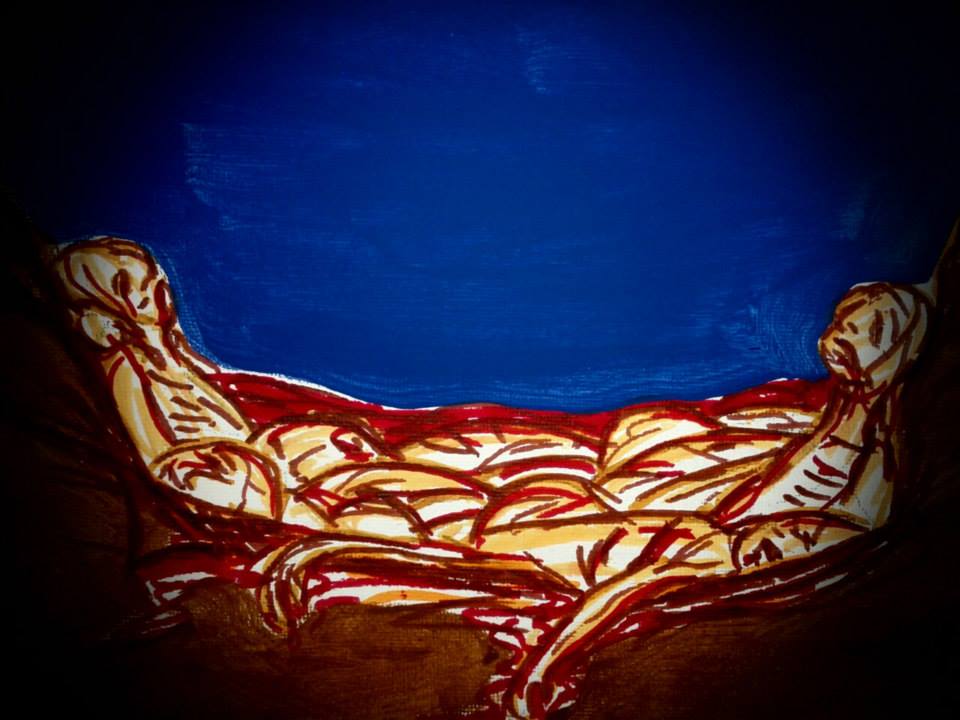 Like all that hoped to survive the Mullivaikkal genocide, my aunt and an
uncle walked barefoot for days looking for shelter and refuge. Hungry
and thirsty they drank the muddy waters they came across as they stepped
over dead bodies. After a few days they finally reached a camp. It was
cramped, and the heat made it stickier. There were babies, children,
widows, mothers, the young, the old, the sick and the injured. This was
considered the safe place to be, although there wasn't enough food or
water. My uncle prayed day and night that our family would be safe.
My aunt had always been a petite woman. Walking for days without clean
water, food and with open wounds in the heat began to take its toll on
her slender frame. She was soon unable to stand as an infection raged
through her body. Her fever was uncontrollable.
In desperation my uncle told the army officers at the camp that his wife
needed urgent medical attention. Saying the camp did not have the
facilities to take care of her, the officers told him they would take
her to another camp a few miles away. Agreeing, he helped get her ready.
The soldiers lifted her onto a stretcher and put her in the ambulance.
My uncle got in and sat by her holding her head.
“You can't come with us,” one of the army officers told him. “You can
see her at the camp once we give her treatment.” The ambulance attendees
told him the name of the camp and how to get there as he got off the
ambulance. He saw his wife one last time before the ambulance doors
closed on him and drove off.
He stood speechless for a few hours. He inquired at the camp when he
would be able to go see his wife and was told he could go tomorrow.
Like all that hoped to survive the Mullivaikkal genocide, my aunt and an
uncle walked barefoot for days looking for shelter and refuge. Hungry
and thirsty they drank the muddy waters they came across as they stepped
over dead bodies. After a few days they finally reached a camp. It was
cramped, and the heat made it stickier. There were babies, children,
widows, mothers, the young, the old, the sick and the injured. This was
considered the safe place to be, although there wasn't enough food or
water. My uncle prayed day and night that our family would be safe.
My aunt had always been a petite woman. Walking for days without clean
water, food and with open wounds in the heat began to take its toll on
her slender frame. She was soon unable to stand as an infection raged
through her body. Her fever was uncontrollable.
In desperation my uncle told the army officers at the camp that his wife
needed urgent medical attention. Saying the camp did not have the
facilities to take care of her, the officers told him they would take
her to another camp a few miles away. Agreeing, he helped get her ready.
The soldiers lifted her onto a stretcher and put her in the ambulance.
My uncle got in and sat by her holding her head.
“You can't come with us,” one of the army officers told him. “You can
see her at the camp once we give her treatment.” The ambulance attendees
told him the name of the camp and how to get there as he got off the
ambulance. He saw his wife one last time before the ambulance doors
closed on him and drove off.
He stood speechless for a few hours. He inquired at the camp when he
would be able to go see his wife and was told he could go tomorrow.
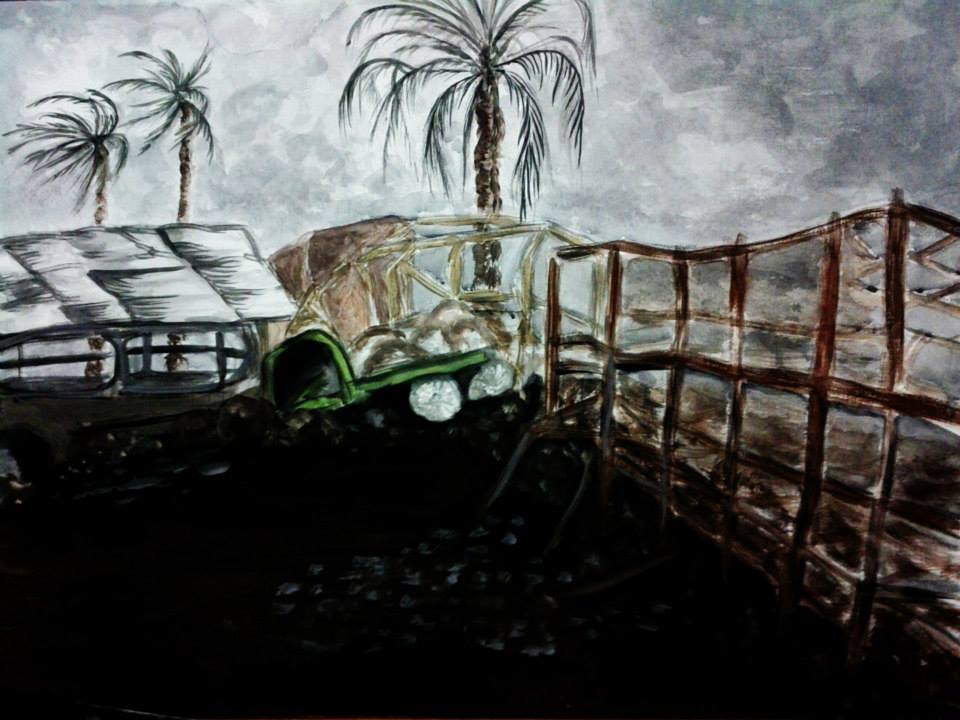 Tomorrow soon became the next day, then the day after that. Soon days
turned into weeks, weeks into months. The war ended. The genocide
complete. The mass piles of bodies burned into ash. The lakes of blood
dried out.The blood stained ground covered with new construction so
traces of the slaughter would be hidden as if hundreds of thousands of
people unaccounted for had disappeared into thin air. As if the ones who
languish from place to place mourning for their dead and searching for
their missing were looking for someone from their imagination.
My uncle chased after every ambulance hoping still to see my aunt was
inside it. He searched every hospital and questioned local officials
about her whereabouts. Silence was the answer he received. Their silence
muted him. It took away his feelings, blinded his mind and crippled him
mentally, torturing him as he constantly thinks of how he failed to be
there as her husband, partner and lover to protect her.
Almost a decade later, my uncle still hopes to see her one last time, to
tell her he loves her, that he will protect and that they can be
together for the remainder of their lives. Like him, we hope to find
her. Hope to give him the peace he needs, and let their love live, like
in his dreams. However, he has changed forever – his body is alive, but
his soul and essence was lost in 2009.
Tomorrow soon became the next day, then the day after that. Soon days
turned into weeks, weeks into months. The war ended. The genocide
complete. The mass piles of bodies burned into ash. The lakes of blood
dried out.The blood stained ground covered with new construction so
traces of the slaughter would be hidden as if hundreds of thousands of
people unaccounted for had disappeared into thin air. As if the ones who
languish from place to place mourning for their dead and searching for
their missing were looking for someone from their imagination.
My uncle chased after every ambulance hoping still to see my aunt was
inside it. He searched every hospital and questioned local officials
about her whereabouts. Silence was the answer he received. Their silence
muted him. It took away his feelings, blinded his mind and crippled him
mentally, torturing him as he constantly thinks of how he failed to be
there as her husband, partner and lover to protect her.
Almost a decade later, my uncle still hopes to see her one last time, to
tell her he loves her, that he will protect and that they can be
together for the remainder of their lives. Like him, we hope to find
her. Hope to give him the peace he needs, and let their love live, like
in his dreams. However, he has changed forever – his body is alive, but
his soul and essence was lost in 2009.

He was my favourite uncle, the youngest in my mother’s family, who was
named after the Tamil deity, Lord Murugan - the true protector of
language heritage and the Tamil culture, as my grandmother (Ammamma)
would always say. He was her last son, her favourite. A most mischievous
being that she loved and spent the majority of her final years
protecting. He survived abuse during the time the Indian army came onto
the island and lived through war and witnessed the genocide of his
people, before he was forced to let go of the one person he dreamed of
sharing his life with.
Fluent in five languages, my uncle was a man of great knowledge, who
enjoyed reading and learning about other language as much as he loved
his mother tongue. Aside from his love towards his work, family and
literature, he had a soft spot for the love of his life, his wife.
Mala was just an ordinary village girl, who dressed simply, hadn’t
studied much and didn't have much wealth. Some would even have
questioned what was so special about her. However, what we saw on the
outside was just portion of what a true gentle being she was on the
inside.
Their love started when he was working as a postmaster in Mankulam,
where the two would often pass each other on the streets or in person
when my aunt would come to drop off the post. Just as their relationship
flourished however, my uncle was arrested by the Indian army.
Abused both mentally and physically, the Indian army interrogated him
regarding the whereabouts of the LTTE and its leader V Prabhakaran. He
told us later that he never thought he would make it out alive. He spent
his days thinking of what would happen to his mother, his siblings and
the girl he had fallen in love with, hoping that someone would secure
his release.
No one came though, not even my grandmother, as his arrest and
interrogation was done in silence. My grandmother went to different
police stations and army camps day and night, waiting and inquiring
about her son. It was many months before she finally found out where he
was being detained.
Thirty months after his arrest, my uncle was released. He came out frail
with bones protruding from his sunken, bruised skin, which bore the
marks of days and nights of beatings. Unable to walk, he limped. His
eyes red, lips cracked and his cheeks hallowed out from the loss of
teeth.
Overjoyed by his release, Mala came running to see him. He remained
silent though and avoided her gaze, as the memories of the abuse and
torture he had experienced poured from his eyes. Pushing her away he
told her to leave him and live her life with someone who could make her
happy and allow her to lead a normal life. He began to avoid her despite
her refusal to leave him for any other.
Mala eventually tried to kill herself. “I either live with you or not live at all,” she said.
Forced to accept the sincerity of her love for him, my uncle gave in and they married.
Life went by slowly, years turning into decades. The war was no better
however, it darkened like grey clouds before a horrific storm. When that
storm eventually came in 2009, its horror was unimaginable
Like all that hoped to survive the Mullivaikkal genocide, my aunt and an
uncle walked barefoot for days looking for shelter and refuge. Hungry
and thirsty they drank the muddy waters they came across as they stepped
over dead bodies. After a few days they finally reached a camp. It was
cramped, and the heat made it stickier. There were babies, children,
widows, mothers, the young, the old, the sick and the injured. This was
considered the safe place to be, although there wasn't enough food or
water. My uncle prayed day and night that our family would be safe.
My aunt had always been a petite woman. Walking for days without clean
water, food and with open wounds in the heat began to take its toll on
her slender frame. She was soon unable to stand as an infection raged
through her body. Her fever was uncontrollable.
In desperation my uncle told the army officers at the camp that his wife
needed urgent medical attention. Saying the camp did not have the
facilities to take care of her, the officers told him they would take
her to another camp a few miles away. Agreeing, he helped get her ready.
The soldiers lifted her onto a stretcher and put her in the ambulance.
My uncle got in and sat by her holding her head.
“You can't come with us,” one of the army officers told him. “You can
see her at the camp once we give her treatment.” The ambulance attendees
told him the name of the camp and how to get there as he got off the
ambulance. He saw his wife one last time before the ambulance doors
closed on him and drove off.
He stood speechless for a few hours. He inquired at the camp when he
would be able to go see his wife and was told he could go tomorrow.
Tomorrow soon became the next day, then the day after that. Soon days
turned into weeks, weeks into months. The war ended. The genocide
complete. The mass piles of bodies burned into ash. The lakes of blood
dried out.The blood stained ground covered with new construction so
traces of the slaughter would be hidden as if hundreds of thousands of
people unaccounted for had disappeared into thin air. As if the ones who
languish from place to place mourning for their dead and searching for
their missing were looking for someone from their imagination.
My uncle chased after every ambulance hoping still to see my aunt was
inside it. He searched every hospital and questioned local officials
about her whereabouts. Silence was the answer he received. Their silence
muted him. It took away his feelings, blinded his mind and crippled him
mentally, torturing him as he constantly thinks of how he failed to be
there as her husband, partner and lover to protect her.
Almost a decade later, my uncle still hopes to see her one last time, to
tell her he loves her, that he will protect and that they can be
together for the remainder of their lives. Like him, we hope to find
her. Hope to give him the peace he needs, and let their love live, like
in his dreams. However, he has changed forever – his body is alive, but
his soul and essence was lost in 2009.
