Peace for the World World ! Your War Our Lives

The Dalai Lama
A Brief Colonial History Of Ceylon(SriLanka)
Sri Lanka: One Island Two Nations
A Brief Colonial History Of Ceylon(SriLanka)
Sri Lanka: One Island Two Nations
(Full Story)
Back to 500BC.

Monday, January 14, 2019
Impact Of The Caste System On Social Harmony: A Study Of Six Villages In Matara District

By Udeshika Jayasekara –JANUARY 11, 2019

Udeshika Jayasekara
 This is a study of the impact of the caste system
on social harmony in the Southern part of the country. For this study
the researcher selected six villages in Matara: Aparekka Devundara
Eladeniya, Kottawatta, Deeyagaha,Kubalagama, and Eladeniya. This
analysis considers caste impacts on employment, social mobility,
marriage, education and their day today life.
This is a study of the impact of the caste system
on social harmony in the Southern part of the country. For this study
the researcher selected six villages in Matara: Aparekka Devundara
Eladeniya, Kottawatta, Deeyagaha,Kubalagama, and Eladeniya. This
analysis considers caste impacts on employment, social mobility,
marriage, education and their day today life.
What is caste?
The
Caste system is the world’s longest surviving social hierarchy. Caste
encompasses a complex ordering of social groups on the basis of ritual
purity.
A
person is considered a member of the caste into which he or she is born
and remains within that caste until death, although the particular
ranking of that caste may vary among regions and over time.
What is Social harmony?
Social
harmony means minimizing the inequalities within the complexity of
diversity using access and equity strategies and affirmative action
initiatives in the society.
Social
harmony is a state of affairs where social strife is minimized through
cooperation, compromise and understanding. It assumes that differences
in identities as castes are artificial, bridgeable and non-fundamental,
and hence, it is a situation that is not utopian but achievable.
What is Caste Discrimination?
Caste discrimination is caused by the caste system. In caste
discrimination there could be harassment and certain prejudices. This
discrimination of lower caste people is often perpetrated by people of
higher castes.
Impact of caste on education and occupation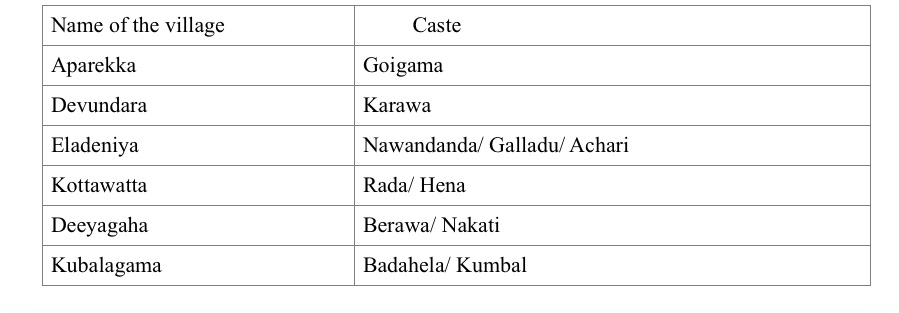
Table 1: Distribution of villages according to the caste
This is a distribution of occupations based on caste.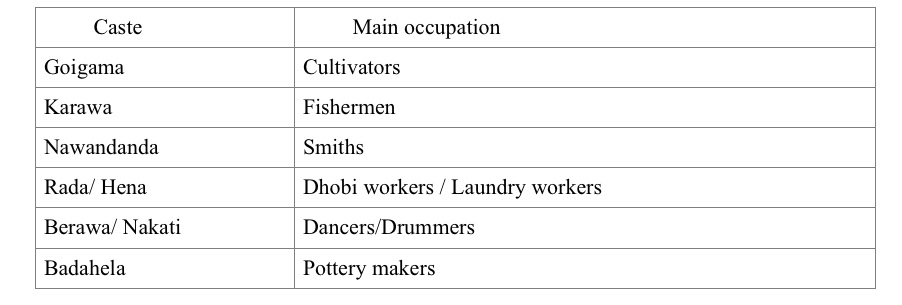
Table 2: Caste based Occupation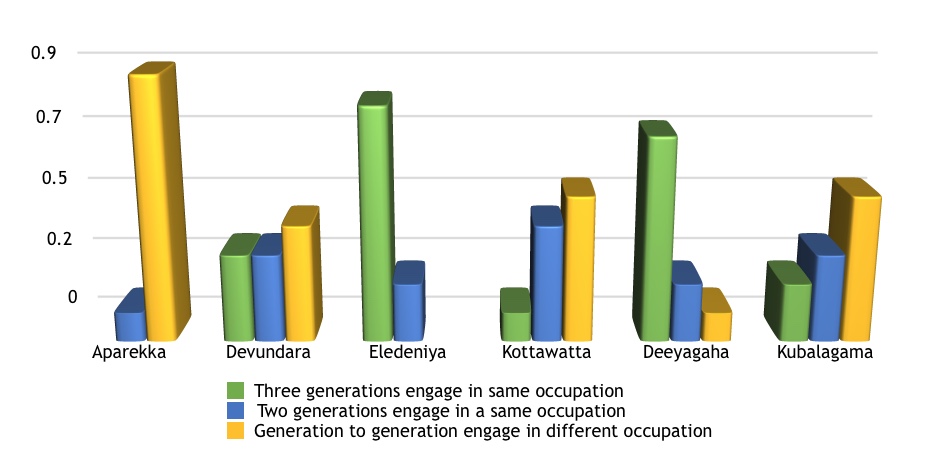
Figure 1: Occupations and social mobility
Three generations are considered under this: the respondents’
occupation, his fathers’ occupation and his grandfathers’ occupations.
Above clustered column chart shows that two generations ago, occupations
were closely linked to their Caste. But now situation has changed. In
Goigama, most of their occupation had changed. Among the Govi (high
caste), the emergence of numerous public servants indicates a growing
inclination towards white-collar jobs. Nawandanda and Berawa caste
people still engage in the occupation that is the same as their caste
system. A moderate number of Karawa and Badahela castes have seeked new
occupations. In kottawatta, Rada people are shifting towards other
occupations. Nowadays Laundry workers have disappeared and it’s hard to
find someone who engages in that occupation.
Findings confirm that the importance of caste is reducing among both the
higher and the lower caste groups within the Sinhalese community in Sri
Lanka. A large percentage of persons were no longer occupied in
caste-based employment as they move on to do their higher studies. There
is a stigma associated with caste based occupations, therefore they
tend to reach higher education and move from their caste based
occupation.
Read More
