Peace for the World World ! Your War Our Lives

The Dalai Lama
A Brief Colonial History Of Ceylon(SriLanka)
Sri Lanka: One Island Two Nations
A Brief Colonial History Of Ceylon(SriLanka)
Sri Lanka: One Island Two Nations
(Full Story)
Back to 500BC.

Monday, November 25, 2013
Balancing The Need For National Integration With Provincial Autonomy

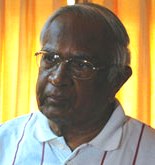
R.M.B. Senanayake
The reason for the devolution of power to provincial Councils under the 13th Amendment is
to facilitate the performance of certain operating functions in the
field which deal directly with the people who in the case of the Northern Provincial Council happen
to belong to a different ethnic group from the majority in the nation.
There is much to be said for it even in the Sinhalese dominated areas
for real economic development can take place only when the people
themselves take charge of the process at the village level through their
empowerment. Paternalistic schemes have more often failed rather than
succeeded. Economists refer to this empowerment as the mobilization of
the people for development and it requires the leadership to be with the
people not some bureaucratic agency. But for too long the people in the
South have been too dependent on politicians that they have not seen
the need for self governance and not taken responsibility for the
development of their areas. As for the North the people have always
been self reliant and looked much less to the government for their
development. The Co-operative movement in Jaffna was the best example of
such self reliance. The plantain growers of Neervely and the red onion
farmers of Tinnevelly only wanted the government to ensure an open
market for their produce in Colombo where they could get remunerative
prices for their produce. So if the provincial councils are to be
effective they must have sufficient power and authority to exercise
discretion and run affairs without having to take orders from the
central government or an appendage from the Central Government like the
District Minister – an institution which Sirimavo established in the
1970s but soon lost interest and gave up when she realized it was an
administrative blunder undermining good governance; replacing it with a
politicized administration which was far from democratic.
The President and the Ministers of the Central Government must reconcile
themselves to the fact that there will be an erosion of the unlimited
power they exerted hitherto through their nominees instead of through
elected representatives of the people. This is no doubt hard but it is
no reason to scream that the NPC is espousing separatism. There is no
room for another political head as a District Minister for the elected
Executive is the Chief Minister of the P.C. Popular control is ensured
by placing power in one elected official- the Chief Executive and he
should be the Chief Minister of the PC. It is the Chief Minister and the
P.C that will reflect provincial public opinion and not the District
Minister. By trying to re-centralize power through a District Minister,
the government will only undermine the incentives to good
administration. It is the local people who can keep an effective
surveillance over the agencies of the government in the province. A
central government Minister has no role in such control. Popular control
of the government institutions in the Province is best ensured by
having a system of law which is impartially enforced by the institutions
whether they belong to the central government or the PC.
