Peace for the World World ! Your War Our Lives

The Dalai Lama
A Brief Colonial History Of Ceylon(SriLanka)
Sri Lanka: One Island Two Nations
A Brief Colonial History Of Ceylon(SriLanka)
Sri Lanka: One Island Two Nations
(Full Story)
Back to 500BC.

Tuesday, November 26, 2013
The Madness That Took Over CHOGM
By Shyamon Jayasinghe -November 26, 2013
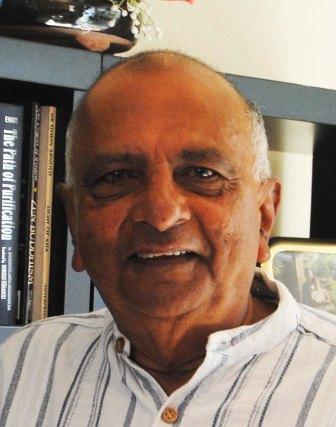
Shyamon Jayasinghe
 It was no mean an achievement for Sri Lanka to have prevailed as the venue of choice for CHOGM 2013
despite calls to change the venue. The government did well to prepare
and beautify the capital city and build the expressway from the
International Airport. From all accounts Lankans all over the world can
at last feel proud of their capital city.
It was no mean an achievement for Sri Lanka to have prevailed as the venue of choice for CHOGM 2013
despite calls to change the venue. The government did well to prepare
and beautify the capital city and build the expressway from the
International Airport. From all accounts Lankans all over the world can
at last feel proud of their capital city.
For years Colombo had grown to be more and more a dump. President Premedas was
the first head of state to realize the need to beautify our capital. He
started with pavements and roundabouts and acquired some cynical
comments from his opponents. Cynicism has now given way to optimism. The
main player is evidently Gotabaya Rajapaksa who appears to have an eye for beauty, whatever other reservations one may hold with regard to him.
However, what could have been unmitigated glory transformed into
ignominy during the CHOGM sessions that followed. A madness swept over
CHOGM. The events were largely predictable but President Rajapaksa and
his team headed by Foreign Minister GL Peiris was caught napping and
they were simply overwhelmed by the tide of hostility. Tony Abbott tried
to douse the flames but everyone knew he did what he did to salvage
himself from the daily nightmare of boat arrivals. Abbott sees dreadful
dreams of boat people crashing into Australia.
To begin with, there was unfinished
business that was foreshadowing the event. This related to allegations
of human rights violations during the closing stages of the war that
were before the United Nations. Our government plainly did nothing to
assuage the international community that it would conduct its own
independent investigations into the accusations of war crimes. It had its own LLRC appointed
and this Lankan body of eminent persons, too, saw the need for a full
scale enquiry besides presenting other ameliorating proposals all of
which were ignored by the government. Government arrogantly leaned on
a false theory of sovereignty. Since the Second World War the notion of
sovereignty has been regarded as not being absolute. Interdependence of governments, countries, economies and people has taken the lid off sovereignty. Global
consciousness of the need for global-level protection of the
fundamental rights of the human beings has come strongly to the fore
ever since the horrible days of the holocaust. UN conventions were
formulated and adopted to which Sri Lanka also was signatory; an
International Tribunal at Hague was set up and so on. The rights of any
human being living anywhere cannot be bartered away to individual ruling
regimes of plastic Pol Pots or others in the country that he inhabits. As
has been amply evident even in Sri Lanka the domestic system has
sometimes not been able to give relief to an individual put under
extreme circumstances. General Sarath Fonseka is just one instance.
He had charges framed-up against him and this valiant soldier was
incarcerated in jail for three years until some external pressure
secured his release. Read More
