Peace for the World World ! Your War Our Lives

The Dalai Lama
A Brief Colonial History Of Ceylon(SriLanka)
Sri Lanka: One Island Two Nations
A Brief Colonial History Of Ceylon(SriLanka)
Sri Lanka: One Island Two Nations
(Full Story)
Back to 500BC.

Tuesday, April 25, 2017
The Damage Done By Ban Ki-moon To The Tamils In North-East Sri Lanka

By Brian Senewiratne –April 23, 2017
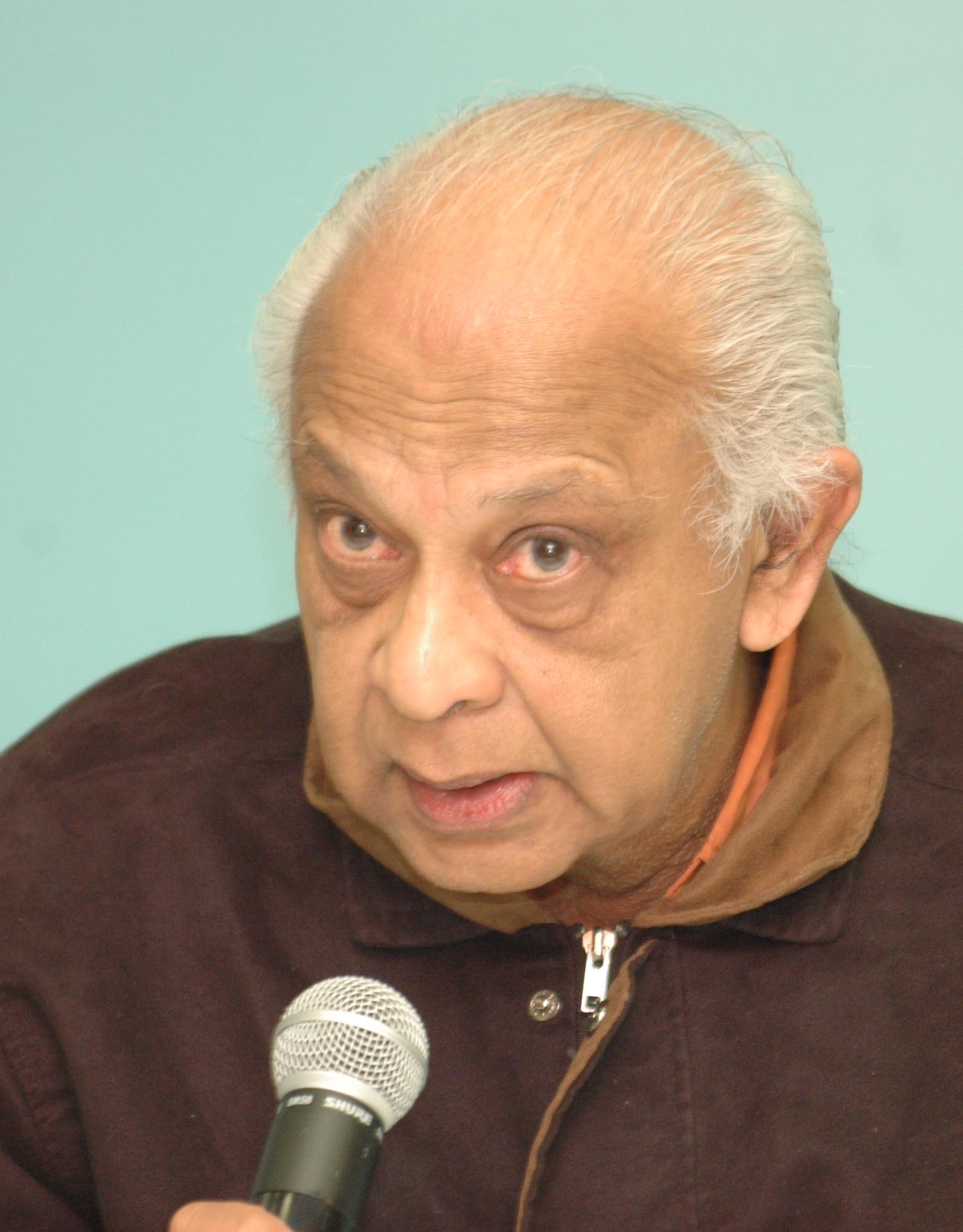
Dr. Brian Senewiratne
In
the 70 year history of the United Nations, there has not been a
Secretary General worse than Ban Ki-moon. The UN Office of Internal
Oversight Services said that the UN Secretariat under Ban Ki-moon was “drifting into irrelevance” He
has damaged the standing of the UN so much that Richard Gowan, a UN
expert at the European Council on Foreign Relations believes that
Antonio Guterres, who succeeded Ban Ki-moon on 1 January 2017, “could give the UN the kick up the backside it needs”.
Under him, the UN has become a joke, not to be taken seriously, and
very different to what the UN was expected to do when it was formed.
For
the misfortune of the Sri Lankan Tamils in the North and East, Mahinda
Rajapaksa and his murderous brother Gotabaya, took over Sri Lanka in
November 2005, and decided to slaughter the Tamils in the North and
East. Ban Ki-moon assumed office in January 2007, and took no action
despite overwhelming evidence (supplied by his own office, the UN
office, in Colombo), that a major massacre of Tamils in the North and
East was imminent. Of serious concern was the expulsion of all
humanitarian works, including international and UN workers from the
conflict zone by the Sri Lankan government so that the slaughter could
be done without witnesses. Ban Ki-moon did nothing. It makes him as
culpable as the Rajapaksas, even more so, because he was mandated to act
to prevent this (see below).
Can
Ban Ki-moon be charged? Was he properly informed of the impending
slaughter of Tamils? The available information was that he was informed.
Did he do what he was obliged to do to prevent a bloodbath? No, he did
not. If so, is he liable? It strongly suggests that he is. These are
serious questions that must be answered.
The role of the Secretary General
The
UN Charter designates the Secretary-General as the Chief Administrative
Officer and Head of the UN Secretariat with its 50,000 international
civil servants. He has the authority under Article 99 of the Charter to
bring to the attention of the Security Council matters that threaten
international peace and security. Aside from his formal functions, the
Secretary General is expected to uphold the values of the UN and act as
its moral authority.
When
after receiving the Report of the Panel of Experts whom he appointed
(see below), he did nothing saying that there was nothing he could do,
it was a lie. Under Article 99 of the UN Charter he had the authority to
forward it to the UN Security Council for action. This he did not do.
The
UN’s second Secretary General, Doug Hammarskjold defined the role of
the job as a diplomat who has the ability and courage to navigate a
course independent of the major powers and in defence of the world’s
population. Soon after his election in 1953, he said, “The right of the Secretariat to full independence, as laid down in the Charter is an inalienable right”. He went on to define the purpose of the UN – not to submit to the major powers but to seek “solutions which approach the common interest”.
Ban Ki-moon
Ban Ki-moon was
an unknown politician from South Korea. The question is how he was
appointed as the UN Secretary General. From January 2004 – November
2006, he was Korea’s Minister of Foreign Affairs and Trade. In February
2006, he began to campaign for the office of the UN Secretary General,
to replace Kofi Annan at the end of 2006.
Initially
he was considered a long shot for the office. However, he had other
ideas. For the next eight months using his position as Minister of
Foreign Affairs and Trade, he visited every country with a seat in the
UN Security Council to ensure votes in his support by signing trade
deals and pledging aid to developing countries. No less a paper than The Washington Post claimed that rivals have privately grumbled that the Republic of Korea, which has the 11th largest economy, was wielding economic might to generate support for his candidacy.
One
way or the other, this unknown politician from South Korea, received
fourteen favourable votes with one abstention (Japan) from the
fifteen-members of the Security Council. Later he obtained all fifteen
votes. Ban was America’s man from the start. When he was elected in
2005, John Bolton, America’s UN Ambassador, said, “We got exactly what was asked for”.
