Peace for the World World ! Your War Our Lives

The Dalai Lama
A Brief Colonial History Of Ceylon(SriLanka)
Sri Lanka: One Island Two Nations
A Brief Colonial History Of Ceylon(SriLanka)
Sri Lanka: One Island Two Nations
(Full Story)
Back to 500BC.

Friday, July 7, 2017
SAITM – SAITM – SAITM

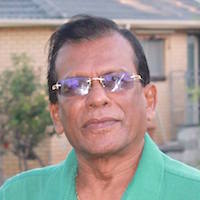
Rusiripala Tennakoon
There was a time in history where people were made to believe that
health problems were a result of unseen super natural forces beyond the
understanding of the patients. There was also a period when the medical profession was dominated by untrained quacks who portrayed themselves as Physicians. What they really did was swindling the patients stripping them of money and wealth by making them believe those myths. The
qualified physicians who honestly believed in treating the patients
were in a dilemma due to those highly unethical and unprofessional
individuals dominating the scene hell-bound to make a quick-buck.
It
was in this background that the famous historical “Hippocratic Oath” of
the medical profession came to be accepted universally. This
oath in its original format was designed to ensure to provide a basis
for the people to distinguish between the professional physicians from
the con-men, and to create a trust in the ordinary people in medicine as
a profession.
The
oath is for persons entering the profession to serve as a guide for the
moral ethics that one has to observe in the profession and it is a
model code of professional ethics. The things that a doctor can do and
cannot do are included in it. The basic theme of the oath is “heal but don’t harm”. It
also emphasizes the fact that the medical knowledge is something that
embodies several obligations to be observed by those who possess such
knowledge.
This Hippocratic Oath underwent changes and amendments many times subsequently. The General Assembly of the World Medical Association meeting at Geneva in 1948, adopted a new Physicians Oath. This was known as the “Declaration of Geneva”.
The
declaration mainly focused on the importance of a physician’s
dedication to the humanitarian aspects of the medical profession. It
was regarded as a revision of the original oath to encompass the modern
developments in up keeping the moral truths that underlined the
Hippocratic Oath. World Medical Association adopted the revised version in 1948 and named it as the “Declaration of Geneva”.
As
it stands today, when a person enters the medical profession, to be
admitted has to take this oath which in outline reads as follows:
- I solemnly pledge to consecrate my life to the service of humanity;
- I will give to my teachers the respect and gratitude that is their due;
- I will practice my profession with conscience and dignity;
- The health of my patient will be my first consideration;
- I will respect the secrets that are confided in me, even after the patient has died;
- I will maintain by all the means in my power, the honour and the noble traditions of the medical profession;
- My colleagues will be my brothers;
- I will not permit considerations of age, disease or disability, creed, ethnic origin, gender, nationality, political affiliation, race, sexual orientation, social standing or any other factor to intervene between my duty and my patient;
- I will maintain the utmost respect for human life;
- I will not use my medical knowledge to violate human rights and civil liberties, even under threat;
- I make these promises solemnly, freely and upon my honour
What
our country was experiencing in the recent past about the doctors and
their activities appear to be a big contrast to those universal norms of
the profession. With
a huge quota of civilian casualties, affecting those in need of medical
assistance, the general public has to ask whether what the doctors are
doing is in conformity to the code of ethics they are bound by.
Government
is responsible for ensuring the free medical services to the public,
who are paying taxes to the government to be entitled for such rights
and to uphold the human rights guaranteed in the constitution of the
country. The
doctors resorting to Trade Union actions are protected under the
freedom of association and the rights associated with such provisions. They have a right to protest demonstrate and pursue any action legally permitted.
Government
is also bound to uphold the agreements and principals under which
permission has been granted to operate a private medical college, if
such permission has ever been granted.
Trade Union rights apart, the doctors are bound by their professional ethics and conduct. Those are more relevant to the public.
The
intervention of the leading Buddhist monks and other religious prelates
is very timely and of extreme importance at this juncture, the
religious leaders decided to come forward and make an appeal when the
issue reached a critical stage.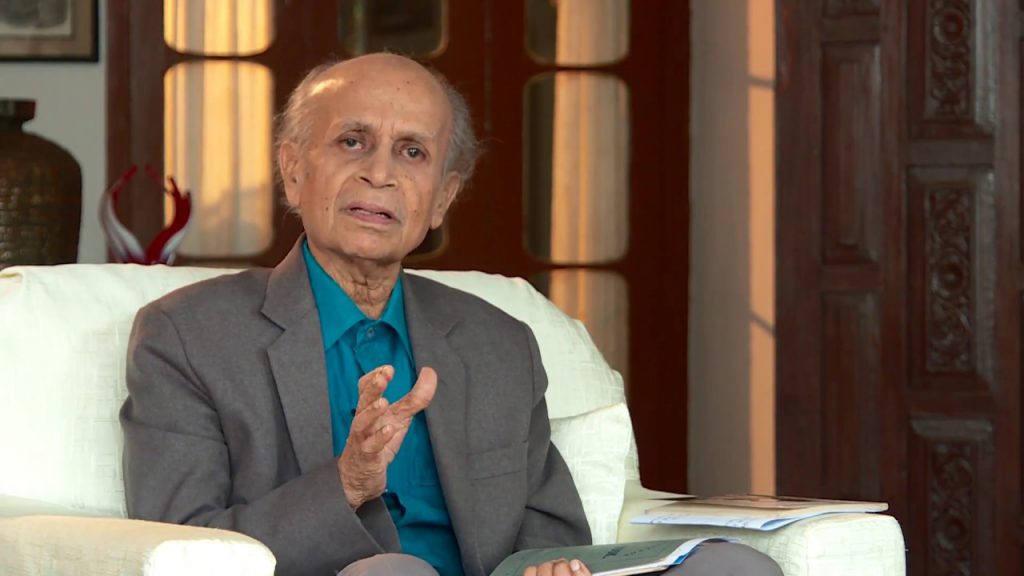

Prof. Carlo Fonseka / Photo Credit – You Tube Victor Rathnayake
Professor Carlo Fonseka’s
name figured in the controversy due to a stand taken by him as a member
of the Sri Lanka Medical Council with regard to its response to the
order given by the Court of Appeal to register the SAITM medical
graduates.
Read More
